
If you’ve ever wondered whether diesel or petrol is the better choice for your vehicle or equipment, you’re not alone. The debate between diesel and gas engines has been going on for decades — and for good reason. Each has its strengths, weaknesses, and ideal use cases.
Whether you’re a tradie shopping for a work ute, a farmer deciding on machinery, or a homeowner hiring equipment for a big project, understanding the differences between these two engine types can save you time, money, and hassle down the track.
At CJS Machinery Hire, we work with both diesel and petrol-powered machinery every day. From excavators to generators, we know what performs best in real-world conditions across Hervey Bay, Maryborough, and the Fraser Coast. In this guide, we’ll break down everything you need to know about diesel vs gas engines — no jargon, just practical info you can use.
Diesel vs Gas Engines
Why Understanding Engine Types Matters
Choosing the right engine isn’t just about preference — it affects your running costs, maintenance schedule, performance, and even resale value. If you’re hiring or buying machinery, knowing the difference between diesel and gas can help you pick the right tool for the job and avoid costly mistakes.
Where Diesel and Gas Engines Are Commonly Used
Gas engines dominate the passenger car market, especially in sedans, hatchbacks, and smaller SUVs. They’re also common in lawnmowers, chainsaws, and light-duty generators.
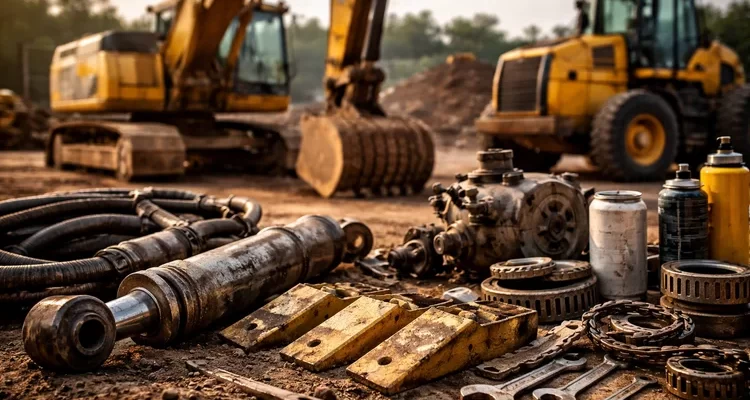
Diesel engines, on the other hand, are the go-to for heavy machinery, commercial vehicles, and equipment that needs serious pulling power. Think excavators, loaders, tippers, tractors, and most machinery hire fleets.
Quick Overview of Key Differences
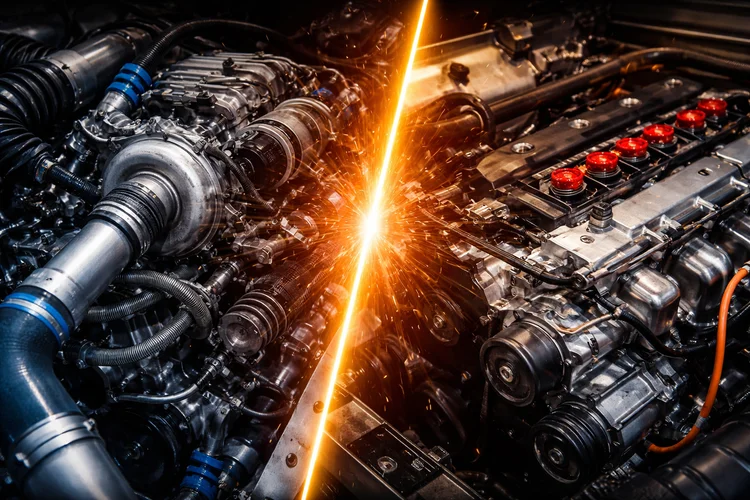
Here’s a snapshot of how they stack up:
| Feature | Gas Engine | Diesel Engine |
| Ignition method | Spark plug | Compression |
| Fuel efficiency | Moderate | High |
| Torque output | Lower | Higher |
| Initial cost | Lower | Higher |
| Noise level | Quieter | Louder |
| Lifespan | Shorter | Longer |
| Best for | Light-duty, everyday use | Heavy-duty, commercial work |
What Is a Gasoline Engine?
How Gas Engines Work (Spark Ignition Explained)
Gasoline engines rely on spark ignition. Here’s the basic process: fuel mixes with air inside the cylinder, a spark plug fires, and boom — combustion happens. This explosion pushes the piston down, turning the crankshaft and generating power.
It’s a refined, smooth process that’s been perfected over more than a century. That’s why petrol engines tend to run quietly and respond quickly when you hit the accelerator.
Common Vehicles That Use Gas Engines
You’ll find gas engines in most passenger cars, motorbikes, and smaller equipment like:
- Sedans and hatchbacks
- Light SUVs and crossovers
- Portable generators
- Lawnmowers and leaf blowers
- ATVs and recreational vehicles
Pros of Gas Engines
Lower upfront cost
Petrol-powered vehicles and equipment are generally cheaper to buy than their diesel counterparts. If budget’s tight and you don’t need heavy-duty performance, gas is often the way to go.
Quieter operation
Gas engines run smoother and quieter, making them ideal for suburban use or noise-sensitive environments.
Faster acceleration
Because they rev higher and quicker, petrol engines feel more responsive off the line — great for city driving or light work.
Cons of Gas Engines
Lower fuel efficiency
Petrol engines burn through fuel faster than diesels, especially under load. Over time, that adds up at the bowser.
Shorter engine lifespan
Gas engines typically don’t last as long as diesels. They’re built lighter and run hotter, which can mean earlier wear and tear.
Higher fuel consumption over time
If you’re doing long distances or running equipment all day, you’ll notice the difference in fuel costs pretty quickly.
What Is a Diesel Engine?
How Diesel Engines Work (Compression Ignition Explained)
Diesel engines don’t use spark plugs. Instead, they compress air inside the cylinder until it’s so hot that injected diesel fuel ignites on contact. This is called compression ignition, and it’s what gives diesel engines their signature power and efficiency.
The higher compression ratio means more energy is extracted from each drop of fuel — which is why diesels are champions of fuel economy and torque.
Common Applications of Diesel Engines
Trucks
Most utes, delivery vans, and semi-trailers run on diesel. The torque and fuel range make them perfect for long hauls and heavy loads.
Heavy machinery
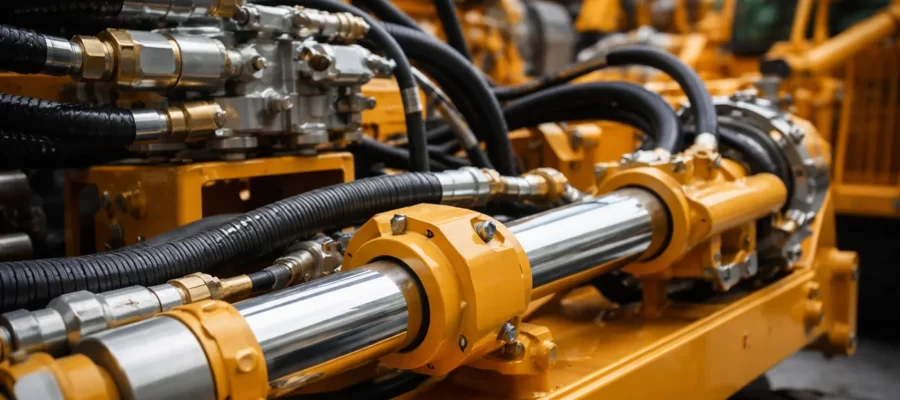
Excavators, loaders, dozers, and graders are almost always diesel-powered. When you need grunt and reliability on a worksite, diesel is king.
Industrial equipment
From generators to compressors to pumps, diesel is the standard in construction, mining, and agriculture. If you’re hiring machinery for a big project, chances are it’s diesel.
Pros of Diesel Engines
Better fuel efficiency
Diesel engines can go further on a tank, making them ideal for long-distance work or full-day operation.
Higher torque output
Diesel delivers more low-end torque, which means better towing, lifting, and digging performance — essential for machinery and commercial use.
Longer lifespan
Built tougher to handle higher compression, diesel engines often outlast petrol engines by tens of thousands of hours with proper care.
Cons of Diesel Engines
Higher initial cost
Diesel vehicles and equipment cost more upfront. You’re paying for durability and efficiency, but it’s a bigger investment.
Louder operation
Diesel engines are noisier and produce more vibration. Modern models are better, but they’ll never be as quiet as petrol.
More expensive repairs
When something does go wrong, diesel repairs can be pricier. Parts are heavier, and the work often requires specialist knowledge — like what you’d get from a qualified diesel mechanic.
Key Differences Between Diesel and Gas Engines
Fuel Type and Combustion Process
The biggest difference is how they burn fuel. Gas engines use spark ignition with a fuel-air mix, while diesel engines rely on compression ignition with fuel injected at high pressure. This fundamental difference affects everything from efficiency to engine design.
Fuel Efficiency and Consumption
Diesel wins here. Thanks to higher energy density and better thermal efficiency, diesel engines use less fuel to do the same work. If you’re running machinery all day or covering long distances, the savings add up fast.
Power Output vs Torque
Gas engines produce more horsepower and rev higher, which means quicker acceleration. Diesel engines, on the other hand, deliver more torque at lower RPMs — perfect for pulling, pushing, and heavy lifting.
Engine Longevity and Durability
Diesel engines are built like tanks. Thicker components, stronger blocks, and lower operating RPMs mean they can rack up huge hours before needing a rebuild. Gas engines are lighter and faster, but they don’t last as long under heavy use.
Maintenance Requirements
Both engines need regular servicing, but diesel maintenance can be more involved. Oil changes, fuel filter replacements, and injector cleaning are critical. That said, if you stay on top of it, a diesel will reward you with years of reliable service. For professional machine and equipment repair, it pays to work with experienced technicians who know what they’re doing.
Environmental Impact and Emissions
Modern diesel engines have cleaned up their act with particulate filters and emission controls, but they still produce more nitrogen oxides (NOx) than petrol engines. Gas engines emit more CO2 per kilometre, though. Both have trade-offs depending on what you’re measuring.
Diesel vs Gas Engines: Performance Comparison
Acceleration and Speed
If you want quick off-the-line performance, gas engines have the edge. They rev faster and feel more responsive in everyday driving.
Towing Capacity and Load Handling
Diesel takes the crown here. High torque at low revs means better towing, hauling, and load management — which is why tradies, farmers, and contractors stick with diesel utes and machinery.
Performance in Harsh Conditions
Diesel engines handle extreme conditions better. They’re less affected by altitude, moisture, and temperature swings, making them ideal for remote worksites and tough Australian conditions.
Suitability for Long-Distance Travel
For highway driving or cross-country work, diesel is hard to beat. Better fuel economy and larger tanks mean fewer stops and lower running costs over time.
Cost Comparison: Diesel vs Gas Engines
Initial Purchase Cost
Gas-powered vehicles and equipment are cheaper upfront. If you’re on a tight budget or only need something for occasional use, petrol might make more sense.
Fuel Costs Over Time
Diesel is pricier per litre, but you use less of it. If you’re doing high kilometres or running equipment daily, diesel often works out cheaper in the long run.
Maintenance and Repair Costs
Routine servicing is similar, but diesel repairs can cost more when things go wrong. That said, diesels break down less often if properly maintained.
Total Cost of Ownership
When you factor in fuel savings, resale value, and lifespan, diesel often wins for commercial use. For light-duty or short-term use, gas can be more economical.
Which Engine Type Is Right for You?
Best for Daily Commuting
If you’re just driving to work and back, a gas engine is usually the better choice. It’s cheaper to buy, quieter, and easier on the wallet for low-mileage use.
Best for Heavy-Duty Work
No contest — diesel is built for the job. Whether you’re on a construction site, running a farm, or hiring machinery for earthmoving, diesel delivers the power and reliability you need.
Best for Fuel Economy
Diesel engines are more efficient, especially under load. If fuel cost is a major factor, diesel is the smarter pick.
Best for Longevity
Want an engine that lasts? Go diesel. With proper care, a diesel engine can outlive a petrol engine by a significant margin.
Common Myths About Diesel and Gas Engines
“Diesel Engines Are Always Noisy”
They used to be, but modern diesels are much quieter thanks to better engineering and sound insulation. You’ll still hear a difference, but it’s not the rattle-trap experience it once was.
“Gas Engines Are Cheaper to Maintain”
Not always. While diesel repairs can be pricey, gas engines often need more frequent servicing and don’t last as long. Over the life of the engine, costs can even out — or tip in diesel’s favour.
“Diesel Is Only for Trucks”
Plenty of passenger cars, SUVs, and even some utes run on diesel. It’s not just for heavy machinery anymore.
“Diesel Engines Pollute More”
Modern diesel engines with DPFs (diesel particulate filters) and AdBlue systems are cleaner than ever. They still produce NOx, but emissions have improved dramatically over the last decade.
Maintenance Tips for Diesel and Gas Engines
Routine Maintenance Checklist
No matter which engine you’ve got, staying on top of maintenance is key:
- Regular oil and filter changes
- Check and replace air filters
- Inspect belts and hoses
- Monitor coolant and fluid levels
- Keep fuel filters clean (especially for diesel)
- Check battery and electrical connections
Importance of Regular Servicing
Skipping services might save you a few bucks now, but it’ll cost you later. Regular servicing catches small problems before they become big ones, keeps your engine running efficiently, and protects your investment.
Signs Your Engine Needs Repairs
Keep an eye out for:
- Unusual noises (knocking, grinding, or rattling)
- Loss of power or sluggish acceleration
- Excessive smoke from the exhaust
- Warning lights on the dashboard
- Higher fuel consumption than normal
- Rough idling or stalling
If you notice any of these, don’t ignore them. Get your machine or vehicle checked by a professional — especially if it’s diesel-powered equipment that’s critical to your work.
How Maintenance Differs Between Engine Types
Diesel engines need more attention to fuel quality and filter changes. They’re also more sensitive to contamination, so clean fuel is non-negotiable. Gas engines are more forgiving but need spark plugs replaced and are more prone to carbon buildup if not serviced regularly.
Keep Your Machinery Running: Expert Repairs at CJS Machinery Hire
Whether you’re running diesel or petrol-powered equipment, one thing’s certain: when something goes wrong, you need it fixed fast. Downtime costs money, and you can’t afford to have your machinery sitting idle on a worksite.
At CJS Machinery Hire, we don’t just hire out equipment — we keep it running. Our machine and equipment repair service is backed by over 25 years of experience in construction and earthmoving. We know these engines inside and out, and we’ve seen it all.
Got a diesel engine that’s lost power? Injectors playing up? Fuel system issues? Our qualified diesel mechanics have the skills and experience to diagnose and fix the problem properly — not just patch it up for a few more days.
We can diagnose and repair most diesel engines across all types of machinery and equipment. Because we’re a local, family-owned business based in Booral, we’re just around the corner when you need us.
Whether you’re hiring equipment for a one-off job or managing a fleet of machinery, understanding the difference between diesel and gas engines helps you make smarter decisions. Each has its place, and knowing when to use which can save you time, money, and headaches.
At CJS Machinery Hire, we’re here to support you with honest advice, quality repairs, and reliable service across Hervey Bay, Maryborough, and the Fraser Coast. When your machinery needs expert attention, don’t risk a dodgy fix or extended downtime.
Get in touch today to book a service or repair. Let’s keep your equipment running right — so you can keep working.
Related Posts
Post a Comment