
If you operate heavy machinery on construction sites, farms, or civil worksites around Hervey Bay and Maryborough, you already know that breakdowns don’t come at convenient times. One minute your excavator is digging smoothly, the next you’re dealing with a hydraulic leak or a track that’s jumped off. Understanding which parts are most likely to fail — and why — can save you time, money, and a lot of frustration.
At CJS Machinery Hire, we’ve seen just about every type of equipment failure you can imagine. Whether you’re hiring machinery or need reliable repair work, knowing what breaks down most often helps you stay ahead of costly downtime.
Why Heavy Equipment Parts Fail So Frequently
The Demands of Construction and Civil Worksites
Heavy equipment doesn’t get an easy ride. From sunrise to sunset, machines like excavators, loaders, and rollers are pushing, lifting, digging, and hauling in some of the harshest conditions imaginable. Dust, mud, rocks, moisture, and constant vibration all take their toll. Even well-built machinery isn’t designed to run forever without maintenance.
Wear and Tear vs Sudden Mechanical Failure
Some parts wear out gradually — things like tracks, bucket teeth, and filters. You can see them deteriorating over time if you’re paying attention. But other failures happen suddenly. A hydraulic hose can blow without warning. A fuel injector can clog overnight. Understanding the difference helps you plan maintenance schedules and keep critical spares on hand.
The Cost of Ignoring Early Warning Signs
Strange noises, sluggish performance, or minor leaks might seem like things you can deal with later. But ignoring early symptoms often leads to bigger, more expensive repairs down the track. A small hydraulic leak can contaminate your entire system. A dirty fuel filter can wreck your injectors. Catching issues early is always cheaper than waiting for a complete breakdown.
Hydraulic System Components That Break Down Most Often
Hydraulic Hoses and Fittings
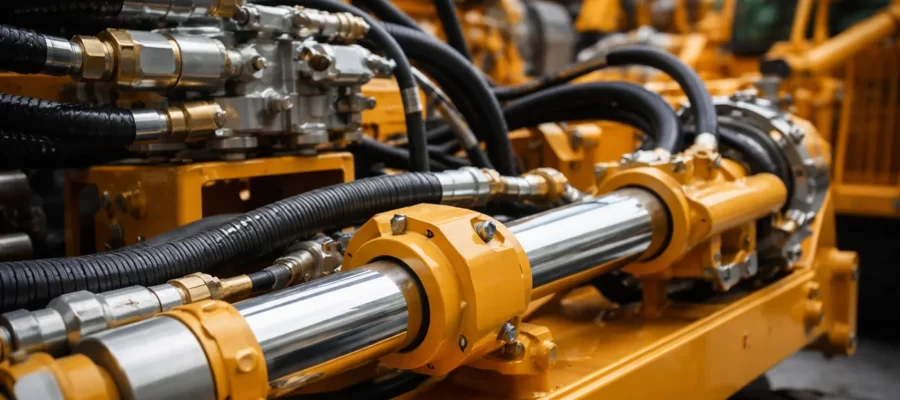
Hydraulic hoses are under constant pressure, flexing and moving thousands of times a day. Over time, they crack, fray, or burst — especially if they’re rubbing against metal parts or exposed to extreme heat. Fittings can loosen or corrode, leading to leaks that reduce system pressure and performance.
Hydraulic Seals and O-Rings
Seals and O-rings might be small, but they’re critical. When they wear out, you get oil leaks, air contamination, and loss of hydraulic power. They degrade faster in dirty environments or when exposed to heat and pressure spikes.
Hydraulic Pumps and Cylinders
Hydraulic pumps push fluid through the system, while cylinders convert that pressure into movement. Both are high-wear components that fail when contamination enters the system or when they’re run too hard for too long. Pump failure usually means the machine stops working entirely.
Common Causes of Hydraulic Failure (Contamination, Pressure Spikes, Heat)
Most hydraulic problems come down to three things: contaminated fluid, sudden pressure spikes, or overheating. Dirt and debris act like sandpaper inside your system, wearing down components fast. Pressure spikes from sudden load changes can blow seals and hoses. Overheating breaks down hydraulic oil and damages seals.
Signs Your Machine Needs Immediate Hydraulic Repair
If you notice slow or jerky movements, leaking oil, unusual noises, or overheating, your hydraulics need attention. Don’t push through the shift hoping it’ll hold — hydraulic failures can be dangerous and expensive if left unchecked.
Undercarriage Parts Prone to Rapid Wear
Tracks and Track Chains
Tracks cop an absolute beating, especially on rocky or uneven ground. Pins and bushings wear out, track pads crack, and chains stretch over time. If you’re working in abrasive conditions like gravel pits or demolition sites, expect faster wear.
Rollers, Idlers and Sprockets
Rollers support the weight of the machine, while idlers guide the track and sprockets drive it. All three are constantly under load and prone to wear. If a roller seizes or a sprocket tooth breaks, you’re stuck until it’s replaced.
Track Tension and Alignment Issues
Tracks that are too tight wear out faster and put extra strain on the drivetrain. Tracks that are too loose can derail or cause uneven wear. Keeping tension right and alignment correct makes a huge difference to undercarriage lifespan.
How Terrain Impacts Undercarriage Lifespan
Soft ground is easier on undercarriages than hard, rocky terrain. Working on concrete, rock, or demolition rubble accelerates wear dramatically. If you’re regularly operating in tough conditions, budget for more frequent undercarriage replacement.
Repair vs Replacement: What’s More Cost-Effective?
Sometimes it makes sense to rebuild or repair undercarriage parts. Other times, replacement is faster and cheaper in the long run. It depends on the extent of wear, the age of the machine, and how much more work you’re planning to do.
Engine and Fuel System Components That Commonly Fail
Fuel Injectors and Fuel Pumps
Fuel injectors spray a fine mist of diesel into the combustion chamber. When they clog or fail, your engine loses power, runs rough, or won’t start at all. Fuel pumps feed the system under high pressure — if they fail, the engine stops dead.
Air, Oil and Fuel Filters
Filters are your first line of defence against contamination. Air filters stop dust from entering the engine. Oil filters trap metal particles and sludge. Fuel filters catch dirt and water. Skipping filter changes is one of the fastest ways to wreck an engine.
Turbochargers and Cooling System Parts
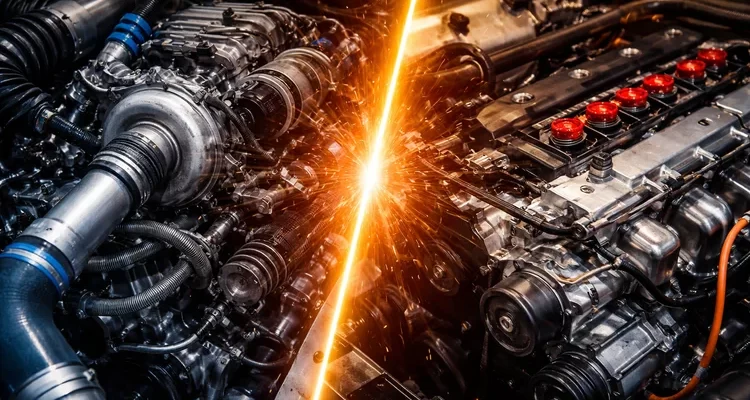
Turbochargers force more air into the engine for extra power, but they spin at incredibly high speeds and run extremely hot. They fail when starved of oil or exposed to debris. Cooling system parts like radiators, hoses, and thermostats also fail regularly, leading to overheating.
Overheating Issues and Their Root Causes
Overheating usually stems from blocked radiators, low coolant levels, faulty thermostats, or failed water pumps. Running an engine too hot causes warped heads, blown gaskets, and cracked blocks — all expensive repairs.
Preventative Servicing to Avoid Major Engine Repairs
Regular oil changes, filter replacements, and coolant flushes keep engines running reliably. If you’re not sure when your machine was last serviced, a diesel mechanic can inspect it and get you back on a proper maintenance schedule.
Electrical System Failures in Heavy Machinery
Battery and Charging System Problems
Batteries go flat, corrode, or fail outright — especially if machines sit unused for long periods. Alternators and charging systems can also fail, leaving you stranded with a dead battery and no way to start.
Faulty Sensors and Warning Systems
Modern machines rely on sensors to monitor everything from oil pressure to coolant temperature. When sensors fail, you lose critical warnings or the machine won’t start at all. Faulty sensors are frustrating because they can mimic serious mechanical problems.
Wiring Harness Damage and Corrosion
Wiring harnesses run throughout the machine, and they’re exposed to vibration, moisture, and heat. Wires can fray, connectors corrode, and insulation breaks down. Electrical gremlins are notoriously hard to diagnose without the right tools and experience.
Diagnosing Electrical Faults Quickly
Tracking down electrical issues takes patience and the right diagnostic equipment. Sometimes it’s a simple blown fuse. Other times it’s a corroded connector buried deep in the wiring loom. Either way, it pays to get electrical problems sorted quickly before they cause secondary failures.
Transmission and Drivetrain Breakdown Points
Torque Converters and Clutch Systems
Torque converters transfer power from the engine to the transmission smoothly. When they fail, you get slipping, overheating, or complete loss of drive. Clutch systems in manual transmissions wear out from heavy use and require periodic replacement.
Gearbox and Differential Wear
Gearboxes and differentials contain high-precision gears running under extreme loads. Wear shows up as grinding noises, difficulty shifting, or oil leaks. If you catch gear wear early, you can sometimes rebuild rather than replace the whole unit.
Drive Shafts and Axle Failures
Drive shafts transfer power from the transmission to the wheels or tracks. Universal joints and CV joints wear out, causing vibration and clunking. Axles can crack or break under heavy loads, especially if they’re already weakened by corrosion.
Warning Signs of Transmission Trouble
Slipping gears, delayed engagement, grinding noises, or burning smells are all signs of transmission trouble. Don’t ignore them — transmission repairs are expensive, and complete failure can leave you dead in the water.
Wear Parts That Require Frequent Replacement
Bucket Teeth and Cutting Edges
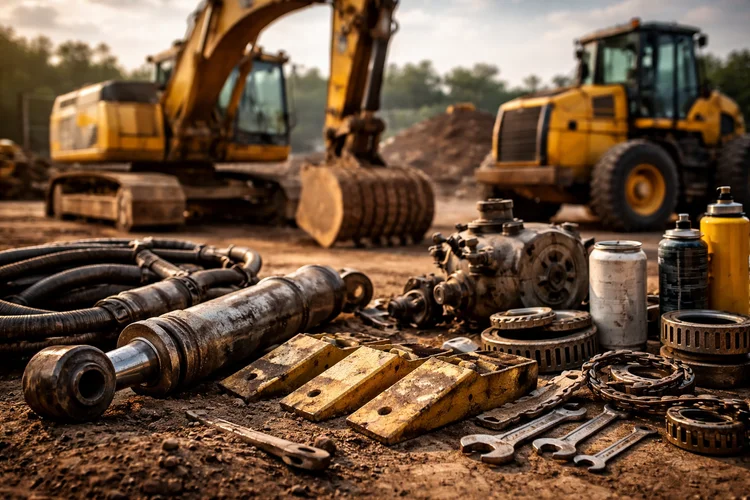
Bucket teeth and cutting edges take the brunt of digging and loading work. They wear down faster in rocky or abrasive soil and need replacing regularly to maintain digging efficiency. Worn teeth make your machine work harder and slower.
Ground Engaging Tools (GET)
Ground engaging tools include ripper tips, blade edges, and scarifier teeth. They’re designed to be replaced as they wear, protecting more expensive structural components. Keeping fresh GET on your machine saves fuel and reduces strain on the drivetrain.
Pins, Bushings and Bearings
Pins and bushings connect moving parts like buckets, arms, and booms. They wear out from constant movement and need replacing when they become loose or seized. Bearings in wheels, rollers, and shafts also wear out and can cause major damage if they fail completely.
Belts and Gaskets
Belts drive fans, alternators, and water pumps. They crack and fray over time, especially in hot engine bays. Gaskets seal oil, coolant, and fuel systems — when they fail, you get leaks. Both are relatively cheap to replace but critical to reliable operation.
Brake and Steering Components That Impact Safety
Brake Pads, Rotors and Hydraulic Brake Systems
Brakes are safety-critical. Worn brake pads reduce stopping power and can damage rotors if left too long. Hydraulic brake systems can develop leaks or air pockets, making brakes spongy or ineffective. Regular brake inspections aren’t optional.
Steering Cylinders and Linkages
Steering cylinders use hydraulic pressure to turn the machine. When seals fail or cylinders leak, steering becomes sluggish or unresponsive. Linkages can wear out or break, making steering dangerous or impossible.
Why Timely Repairs Prevent Accidents
Faulty brakes or steering put operators and everyone on site at risk. Machines that can’t stop or steer properly shouldn’t be operated. Timely repairs aren’t just about avoiding downtime — they’re about keeping people safe.
How to Reduce Heavy Equipment Breakdowns
Daily Pre-Start Inspections
A quick walk-around each morning catches obvious problems before they become breakdowns. Check fluid levels, look for leaks, inspect tracks or tyres, and test all controls. Five minutes of inspection can save hours of repair time.
Scheduled Preventative Maintenance
Sticking to a maintenance schedule based on hours or calendar time keeps machines running reliably. Oil changes, filter replacements, and greasing should happen on time, every time. Preventative maintenance is always cheaper than emergency repairs.
Keeping Critical Spare Parts On-Hand
If you run machinery regularly, keep common wear parts like filters, hoses, and bucket teeth in stock. Waiting for parts to arrive can cost you days of lost productivity. For less common parts, know where to source them quickly.
When to Call for Professional Equipment Repair
Some repairs you can handle yourself. Others need specialist tools, diagnostic equipment, or experienced technicians. If you’re not confident diagnosing or fixing a problem, call in the professionals. Bodged repairs often make things worse.
Reliable Machinery Repair and Hire in Hervey Bay
At CJS Machinery Hire, we’re not just about hiring out quality equipment — we also provide professional machine equipment repair services to keep your fleet running smoothly. Whether it’s hydraulic system repairs, undercarriage work, or engine diagnostics, our experienced team can get you back on site faster.
Based in Booral and serving the Hervey Bay and Maryborough regions, we understand the demands local operators face. We know that downtime costs money, and we’re here to help you avoid it with honest advice, quality workmanship, and fair pricing.
Don’t wait for a breakdown to put you behind schedule. Whether you need reliable machinery hire or fast, professional repairs, CJS Machinery Hire has you covered. Get in touch today to discuss your equipment needs or book a service. Let’s keep your machines working as hard as you do.
Related Posts
Post a Comment