
Working at height is part of everyday operations across Hervey Bay, Maryborough, and surrounding regions. Whether you’re running a construction site, maintaining equipment on a farm, or tackling commercial property work, hydraulic lifts are essential tools that keep jobs moving safely and efficiently. But like any piece of machinery, they can develop problems that slow down your work and create safety risks.
Hydraulic Lifts
Hydraulic lifts are the workhorses of elevated access equipment. From boom lifts and scissor lifts to mobile elevating work platforms, these machines rely on hydraulic systems to raise, lower, and position operators safely at height. When they’re running smoothly, they make difficult jobs look easy. When they’re not, you’re dealing with delays, potential safety hazards, and frustration that eats into your project timeline.
Understanding common hydraulic problems isn’t just about keeping your machinery running. It’s about recognising the warning signs early, preventing costly breakdowns, and most importantly, keeping your team safe on site. Whether you own your equipment or rely on machinery hire, knowing what can go wrong with hydraulics helps you make better decisions about maintenance and repairs.
How Hydraulic Lifts Work
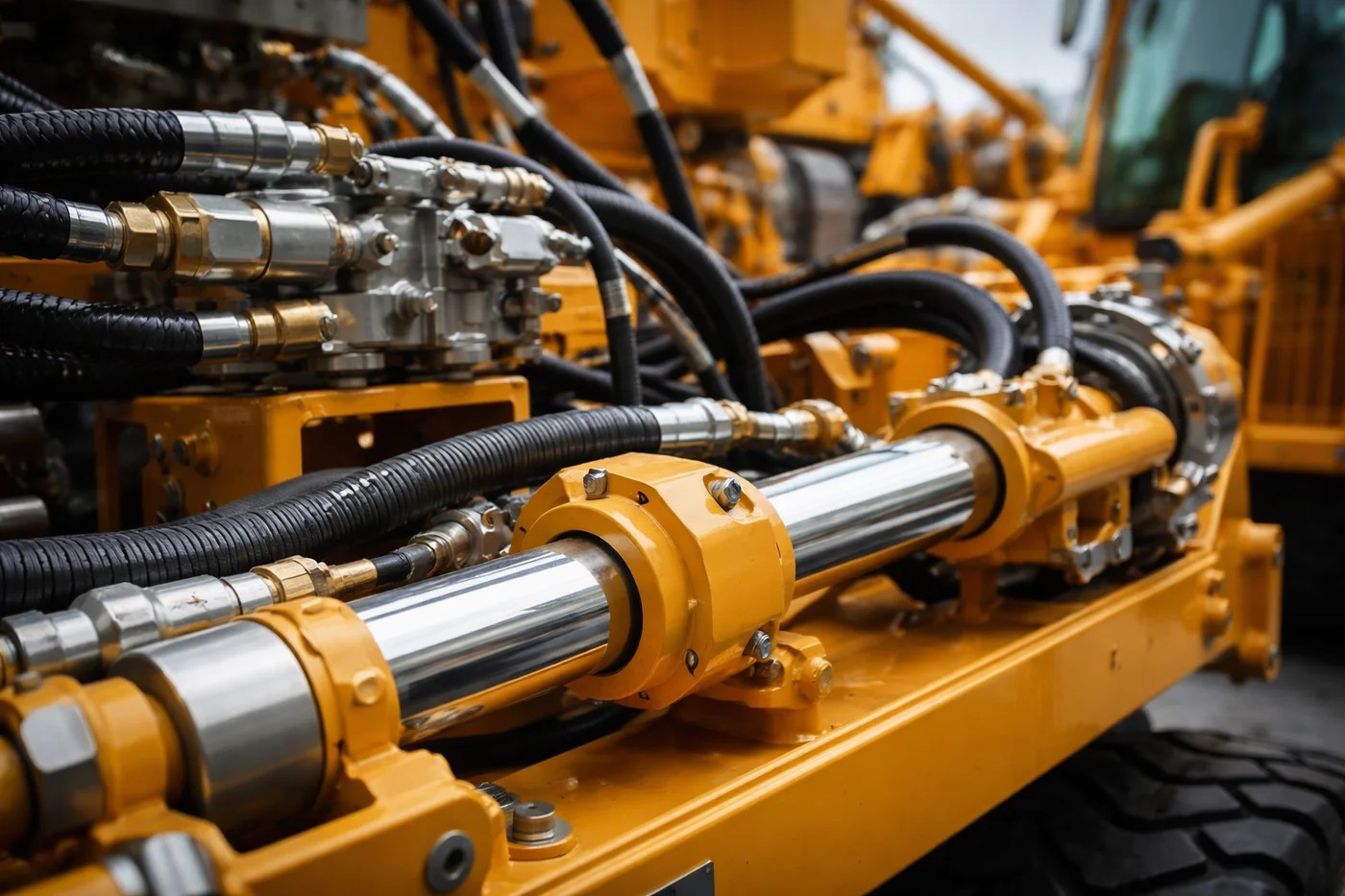
At their core, hydraulic lifts operate on a simple but powerful principle: hydraulic fluid under pressure creates the force needed to lift heavy loads and platforms. A hydraulic pump pressurises the fluid, which then flows through valves and hoses to hydraulic cylinders. As the fluid enters the cylinder, it pushes a piston that extends, creating the lifting motion. When you need to lower the platform, valves release the pressure in a controlled way, allowing gravity to do the work while the hydraulic system manages the descent speed.
This system is reliable and efficient when properly maintained, but it depends on every component working in harmony. A problem in one part of the system can quickly affect the whole machine.
Key Components of a Hydraulic Lift
Understanding the main parts of a hydraulic system helps you spot where problems might originate:
- Hydraulic pump: Creates the pressure that powers the system, typically driven by an electric or diesel engine
- Hydraulic fluid reservoir: Stores the fluid and allows it to cool between cycles
- Hydraulic cylinders: Convert fluid pressure into mechanical force to lift the platform
- Control valves: Direct fluid flow and regulate pressure throughout the system
- Hydraulic hoses and fittings: Transport pressurised fluid between components
- Filters: Remove contaminants from the hydraulic fluid to protect internal components
- Pressure relief valves: Prevent dangerous over-pressurisation of the system
Each of these components has a specific job, and when any one of them fails or degrades, you’ll notice changes in how the lift performs.
Why Maintenance Matters
Hydraulic systems work under extreme conditions. The fluid is under high pressure, components generate significant heat, and seals and hoses are constantly flexing and moving. Without regular maintenance, small issues turn into major failures that can leave you with a broken machine and a job at a standstill.
Preventative maintenance keeps hydraulic systems operating at peak performance, extends the life of expensive components, and prevents the kind of catastrophic failures that create safety hazards. It’s always cheaper to maintain equipment properly than to repair it after a breakdown, especially when that breakdown happens mid-job with a platform elevated and an operator on board.
Common Problems with Lift Hydraulics
Hydraulic problems rarely appear without warning. Most issues develop gradually, giving you time to address them if you know what to look for. Here are the most common hydraulic problems you’ll encounter with lift equipment.
Hydraulic Fluid Leaks
This is the most visible and common hydraulic problem. You might notice puddles of fluid under the machine, wet spots on hoses or cylinders, or dripping from connections. Hydraulic fluid leaks can develop from:
- Worn or damaged seals in cylinders
- Cracked or degraded hydraulic hoses
- Loose or corroded fittings
- Damaged reservoir gaskets
- Over-pressurisation causing seal failures
Even small leaks are serious. Not only do they create environmental hazards and slip risks on site, but they also reduce the fluid level in the system. Low fluid levels lead to air entering the hydraulic circuit, which causes erratic operation and can damage the pump. Leaks also mean you’re losing expensive hydraulic fluid and creating contamination risks when dirt gets into openings.
Slow Lift Response or Jerky Movements
When you activate the controls and the lift responds slowly, or when the platform moves in jerks instead of smooth motion, you’re dealing with a hydraulic flow problem. This can be caused by:
- Low hydraulic fluid levels
- Air trapped in the hydraulic lines
- Worn hydraulic pump that can’t generate proper pressure
- Partially blocked filters restricting fluid flow
- Faulty control valves not opening fully
- Internal leakage in cylinders allowing fluid to bypass seals
Jerky movements are particularly concerning because they affect stability and can throw operators off balance. If you notice this behaviour, the machine shouldn’t be used for elevated work until the problem is diagnosed and fixed.
Overheating Hydraulic Systems
Hydraulic fluid naturally generates heat during operation, but when the system runs too hot, you’ll notice warning lights, smell burning fluid, or see fluid that’s changed colour. Overheating damages seals, breaks down the fluid’s lubricating properties, and can lead to system failure. Common causes include:
- Excessive workload or continuous operation without rest periods
- Low fluid levels reducing the system’s ability to dissipate heat
- Blocked or dirty cooling fins on the reservoir
- Malfunctioning cooling fans
- Using the wrong grade of hydraulic fluid
- Internal component wear creating excessive friction
Overheating is progressive. The hotter the system gets, the faster seals degrade and fluid breaks down, which creates more heat in a damaging cycle. Don’t ignore temperature warnings or unusual smells from your hydraulic system.
Low Hydraulic Pressure
When the hydraulic system can’t generate or maintain proper pressure, the lift won’t perform as designed. You might find the machine can’t lift to full height, lifts very slowly, or struggles with normal loads. Low pressure problems come from:
- Worn hydraulic pump unable to create sufficient pressure
- Internal leakage in cylinders or valves
- Pressure relief valve stuck open or set incorrectly
- Blocked suction filter starving the pump
- Low fluid level in the reservoir
- Damaged pump drive coupling or belt
Low pressure issues often develop gradually as components wear, so you might not notice the problem immediately. If your lift seems less powerful than it used to be or takes noticeably longer to reach operating height, have the system pressure tested.
Contaminated Hydraulic Fluid
Clean hydraulic fluid is essential for system longevity. Contamination comes in three forms: particulate matter (dirt, metal particles, degraded seals), water, and air. Contaminated fluid causes:
- Accelerated wear on pumps, valves, and cylinder seals
- Corrosion of internal metal components
- Erratic system operation and loss of control precision
- Formation of sludge that blocks filters and narrow passages
- Foaming that reduces system efficiency
Contamination typically enters through breather caps on reservoirs, worn seals that allow dirt past, or condensation forming inside the reservoir. Regular fluid analysis and filter changes are your best defence against contamination damage.
Faulty Valves and Controls
Control valves direct hydraulic fluid where it needs to go and regulate pressure throughout the system. When valves stick, leak internally, or fail to respond properly to control inputs, you’ll experience:
- Platform drift when it should be stationary
- Inability to hold position under load
- Failure to respond to control inputs
- Uncontrolled descent speed
- One function working while others don’t
Valve problems can be caused by contaminated fluid damaging internal components, wear from high cycle counts, corrosion, or electrical failures in solenoid-operated valves. These issues require professional diagnosis because valve assemblies are complex and critical to safe operation.
Safety Risks of Ignoring Hydraulic Problems
Hydraulic failures aren’t just inconvenient. They create serious safety risks that can injure operators and people working below. When hydraulic systems fail unexpectedly, platforms can drop suddenly, swing out of control, or become stuck at height with no way to bring operators down safely.
Fluid leaks create slip hazards on the ground and on the platform itself. Pressurised hydraulic fluid can also cause injection injuries if it escapes from a failed hose under high pressure. These injuries might look minor but can cause severe tissue damage requiring immediate medical attention.
Overheating hydraulic systems can ignite hydraulic fluid, creating fire risks on site. Hot fluid can also burn operators who come into contact with hoses, cylinders, or fittings during inspection or maintenance.
Beyond the immediate physical risks, unreliable hydraulic systems destroy productivity. A lift that operates erratically makes precise positioning impossible, slowing down work and frustrating your team. When equipment breaks down mid-job, you’re dealing with rescue procedures, project delays, and the cost of emergency equipment repair to get things running again.
Preventative Maintenance Tips
The good news is that most hydraulic problems are preventable with consistent maintenance. Whether you own your equipment or rely on machinery hire, these practices will keep hydraulic systems healthy:
Check fluid levels daily before operation. It takes less than a minute and prevents most common hydraulic problems. Top up only with the manufacturer’s recommended fluid grade.
Inspect for leaks during pre-start checks. Walk around the machine looking for wet spots, drips, or puddles. Check hoses, fittings, cylinders, and under the reservoir. Address even small leaks immediately.
Change hydraulic filters on schedule. Filters are cheap compared to the pump and valve damage that contaminated fluid causes. Don’t wait for a blocked filter warning light.
Keep the machine clean. Dirt around hydraulic components eventually finds its way into the system. Regular washing and keeping the reservoir breather clean prevents contamination.
Service hydraulic fluid at recommended intervals. Even clean-looking fluid degrades over time and loses its protective properties. Follow the manufacturer’s fluid change schedule.
Operate within the machine’s design limits. Don’t overload the platform, exceed the duty cycle, or use the equipment in ways it wasn’t designed for. This prevents excessive wear and overheating.
Address unusual behaviour immediately. Strange noises, slow response, jerky movement, or any change in normal operation is a warning sign. Don’t keep using equipment that’s not performing correctly.
Keep maintenance records. Track when filters were changed, fluid levels topped up, and any repairs made. This helps identify patterns and ensures scheduled maintenance isn’t missed.
Store equipment properly when not in use. Protect hydraulic components from weather, keep reservoirs full to prevent condensation, and position cylinders to protect rod seals.
For hired equipment, report any hydraulic issues to your hire provider immediately. Reputable companies like those offering machine equipment repair services want to know about problems so they can fix them before they become dangerous or cause a breakdown.
FAQs
How often should hydraulic fluid be changed in a lift?
It depends on usage and operating conditions, but most manufacturers recommend hydraulic fluid changes every 1000-2000 operating hours or annually, whichever comes first. Equipment working in dusty or dirty environments may need more frequent changes. Always check the manufacturer’s service schedule for your specific machine.
Can I use any hydraulic fluid in my lift?
No. Always use the exact fluid type and grade specified by the manufacturer. Different hydraulic fluids have different viscosities, additives, and operating temperature ranges. Using the wrong fluid can cause seal damage, poor performance, and void warranties.
What causes hydraulic cylinders to leak?
The most common cause is worn seals inside the cylinder. These seals degrade over time from normal use, contaminated fluid, or operating in extreme temperatures. External damage to the cylinder rod can also damage seals. Once seals start leaking, they need replacement as they won’t heal or improve on their own.
Is it safe to operate a lift with a small hydraulic leak?
No. Even small leaks indicate seal failure and will only get worse with continued use. Leaks reduce system fluid levels, which can lead to air entering the system and causing erratic operation. Any leak should be repaired before the equipment is used for elevated work.
Why does my lift feel sluggish in cold weather?
Hydraulic fluid thickens when cold, which slows down system response. This is normal to some extent, but excessive sluggishness might mean you’re using the wrong fluid grade for your climate. Some hydraulic systems benefit from a warm-up period before full operation in cold conditions.
How do I know if air is in the hydraulic system?
Air in hydraulics typically causes spongy controls, jerky movements, and unusual noises like groaning or squealing. The lift might also lose power or fail to hold position properly. Air usually enters through leaks, low fluid levels, or improper bleeding after maintenance.
Keeping Your Equipment Running with Professional Support
At CJS Machinery Hire, we understand that downtime costs money and hydraulic problems can’t wait. That’s why we maintain our fleet to the highest standards and back it up with experienced mechanical support.
If you’re experiencing hydraulic issues with your own equipment, our machine equipment repair services cover everything from leak repairs and fluid changes to complete hydraulic system diagnostics. We’ve got over 25 years of experience in construction and earthmoving machinery, so we know these systems inside and out.
Based in Booral and serving Hervey Bay, Maryborough, and the surrounding regions, we’re local operators who understand the demands of working in Queensland conditions. Whether you need emergency repairs to get a machine back in service or scheduled maintenance to prevent problems before they start, we’re here to help with honest advice and quality workmanship.
Don’t let hydraulic problems slow down your project or put your team at risk. Get in touch with CJS Machinery Hire today for reliable machinery hire backed by professional maintenance support, or to book a mechanic who can get your equipment running properly again. We’ll make sure you’ve got the right equipment and the backup you need to get the job done safely and efficiently.
Related Posts
Post a Comment