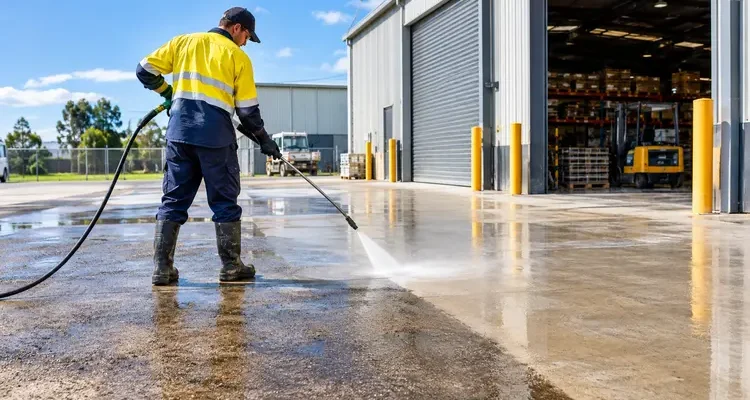
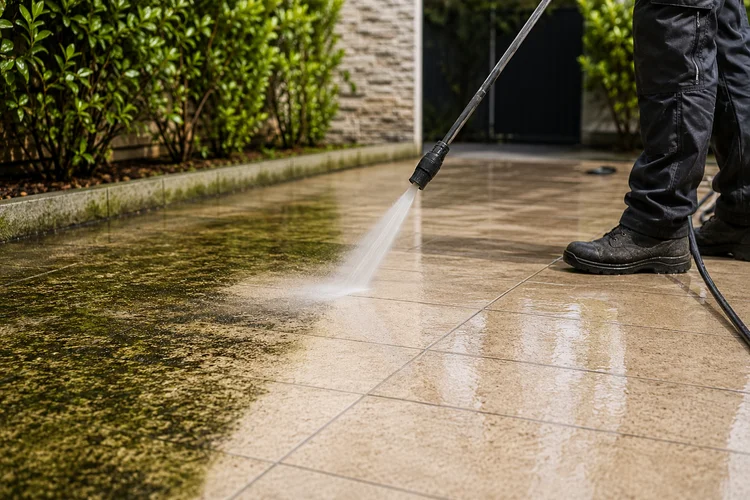
Outdoor surfaces across Queensland collect mould, algae, and dirt faster than most homeowners expect. The short answer? For most outdoor surfaces, one of the most effective approaches is a professional pressure washing service — ideally done regularly to prevent heavy build-up and long-term surface damage. Some surfaces or severe mould problems may require specialist remediation rather than pressure washing alone, but for the vast majority of Queensland homes, regular cleaning is where it starts. Whether it’s a slippery driveway, a grimy patio, or algae-covered pool surrounds, the right cleaning method makes all the difference.
Why Do Outdoor Surfaces Develop Mould, Algae & Dirt?
Understanding what causes build-up in the first place helps you clean more effectively and keep surfaces cleaner for longer. In Queensland especially, a combination of environmental and structural factors accelerate the growth of mould and algae on outdoor surfaces.
Queensland’s Warm and Humid Climate
Queensland’s subtropical and tropical climate creates near-perfect conditions for mould and algae growth. High temperatures, frequent rainfall, and humidity levels that rarely drop keep outdoor surfaces damp for extended periods — and damp surfaces are where mould and algae thrive. Coastal areas like Hervey Bay are especially prone to this because moisture tends to linger even between rain events.
Shade and Limited Sunlight
Surfaces that sit in shade for most of the day dry out more slowly after rain. Without regular exposure to direct sunlight, moisture stays trapped against concrete, timber, and brick, encouraging organic growth. South-facing walls and areas shaded by trees or structures are among the most common places where homeowners first notice dark green or black staining.
Dirt, Dust and Organic Debris
Leaves, grass clippings, pollen, and dust settle on outdoor surfaces constantly. Over time, this organic material breaks down and creates a layer of nutrients that feed algae and mould. Driveways, footpaths, and garden paths are particularly susceptible because they collect debris from surrounding vegetation and foot traffic.
Poor Drainage and Standing Water
Areas where water pools after rain rarely get a chance to fully dry out. Standing water on flat surfaces — patios, pool surrounds, or low-lying garden paths — accelerates the development of algae, mould, and surface staining. If water consistently collects in the same spots, surface growth will return quickly after cleaning unless the drainage issue is also addressed.
Coastal Conditions and Salt Air Exposure
Properties near the coast face an additional challenge. Salt carried in the air settles on exterior surfaces, and salt-laden deposits can retain moisture and accelerate corrosion and biological growth over time. Combined with Queensland’s climate, salt air exposure means fences, walls, and outdoor structures near Hervey Bay and Fraser Coast require more frequent attention than inland properties.
Common Outdoor Surfaces Affected by Mould, Algae & Dirt
Mould, algae, and dirt don’t discriminate — they accumulate on almost every outdoor surface given enough time and moisture. Some areas tend to deteriorate faster than others.
Concrete Driveways
Driveways take a beating from vehicle tyres, oil drips, and constant foot traffic. Add Queensland’s rainfall and the result is a surface that quickly becomes stained, discoloured, and slippery with algae growth. Dark patches and green film are the most common signs that a driveway needs attention.
Patios and Outdoor Entertaining Areas
Patios and alfresco areas are high-use spaces that accumulate food residue, leaf matter, and moisture around furniture legs and edges. Over time, algae spreads across grout lines and pavers, making the area both unsightly and hazardous — especially when wet.
Footpaths and Walkways
Garden paths and concrete walkways are among the first surfaces to develop a thin, slippery layer of algae. Because they’re walked on regularly, they present a real slip-and-fall risk if not cleaned consistently.
Pool Surrounds
Pool surrounds are perpetually damp. Splashing water, sunscreen residue, and chemical overspray all contribute to algae and mould growth on tiles and concrete. A build-up of algae around a pool makes the surface dangerously slippery and can also affect the appearance of the whole outdoor area.
Exterior Walls
Rendered and brick exterior walls gradually develop a green tinge from algae or dark streaks from mould, particularly on shaded elevations. Salt residue from coastal air also leaves white deposits on walls over time. Left untreated, these issues can become harder to remove and may affect the surface material underneath.
Fences and Gates
Timber, Colorbond, and masonry fences all accumulate grime, mould staining, and algae — particularly at ground level where moisture from soil and lawn watering collects. Colorbond and metal surfaces can also develop surface rust if dirt and moisture are left sitting on them for extended periods.
Retaining Walls and Garden Edging
Retaining walls sit in close contact with soil and mulch, meaning they’re constantly exposed to organic material and moisture. This makes them one of the fastest surfaces on any property to develop visible algae and mould growth.
Why It’s Important to Remove Mould, Algae & Dirt Promptly
Leaving outdoor surfaces dirty isn’t just an aesthetic issue. The longer mould, algae, and grime are left to sit, the harder they become to remove — and the more damage they can cause in the meantime.
Improve Safety by Reducing Slip Hazards
Algae-covered surfaces become extremely slippery when wet. Driveways, pathways, and pool surrounds coated in algae growth are a genuine safety risk for children, elderly family members, and visitors. Keeping these surfaces clean is one of the simplest ways to reduce the risk of a preventable slip-and-fall accident.
Restore Your Home’s Kerb Appeal
First impressions count. A driveway covered in black staining or a fence streaked with mould significantly lowers the visual appeal of any property. Regular cleaning restores surfaces to a condition that reflects well on the home — whether you’re planning to sell, rent, or simply take pride in your property’s appearance.
Help Protect Outdoor Surfaces
Mould and algae aren’t just surface-level problems. Left untreated, they can work their way into porous materials like concrete, brick, and timber, accelerating surface breakdown and reducing the lifespan of your outdoor areas. Prompt removal helps protect the investment you’ve made in your property. It’s worth noting that pressure washing addresses surface mould on outdoor materials — if you’re dealing with widespread or internal mould growth on structural elements, a licensed remediation specialist or building inspector should assess the situation before any cleaning takes place.
Make Routine Maintenance Easier
A surface that’s cleaned regularly is far easier to maintain than one that’s been neglected for years. Heavy build-up of mould and algae often requires multiple treatment rounds and more aggressive cleaning methods. Keeping on top of it means each clean is quicker and more straightforward.
Create a Cleaner Outdoor Living Space
Outdoor entertaining areas, pool surrounds, and pathways should be places you enjoy spending time — not areas you’re embarrassed to show guests. A clean outdoor space feels more inviting, is more functional, and makes your home a better place to live.
How to Remove Mould, Algae & Dirt from Outdoor Surfaces
Whether you’re tackling a single pathway or a full property clean, the process works best when done in the right order. Rushing the job or skipping steps often leads to uneven results and faster re-growth.
Inspect the Surface Before Cleaning
Before you pick up a hose or apply any product, take a close look at the surface. Note the type of material, how much build-up is present, and whether there are any cracks, loose sections, or damaged areas. Applying high-pressure water to a cracked concrete slab or a surface with loose grout can cause additional damage — so it’s worth knowing what you’re working with before you start.
Remove Loose Leaves, Dirt and Debris
Sweep or blow away any loose debris from the surface first. Leaves, mulch, and grass clippings sitting on concrete or pavers will turn to slurry when water hits them, spreading mess and making cleaning more difficult. Starting with a clean, dry sweep makes the rest of the process much more effective.
Apply an Appropriate Cleaning Solution
For surfaces with significant mould or algae growth, a pre-treatment with a suitable cleaning solution is worth the extra step. Commercial algae and mould treatments designed for exterior surfaces are generally the safest starting point — follow the manufacturer’s dilution and dwell time instructions carefully, and always confirm the product is compatible with the surface material. If you’re considering stronger chemicals, consult a professional rather than experimenting, particularly on surfaces near garden beds, pools, or stormwater drains where runoff could cause environmental harm. Wear appropriate PPE — gloves, eye protection, and enclosed footwear — whenever applying any cleaning product.
Pressure Wash Using the Correct Technique
Hold the pressure washer nozzle at a consistent distance from the surface — typically 20 to 30 centimetres — and work in overlapping passes to avoid streaking. Move the wand in a steady, controlled motion and keep the spray angle consistent. For concrete and pavers, a fan or rotating nozzle generally gives the best results. For timber or softer materials, reduce pressure and use a wider spray angle to avoid surface damage.
Allow the Surface to Dry and Inspect the Results
Once you’ve finished, let the surface dry fully before walking on it or replacing furniture. Once dry, inspect the results under natural light — this makes it easier to spot any areas you may have missed or that need a second pass. Note any persistent staining for follow-up treatment.
Pressure Washing vs Manual Scrubbing
Both methods have their place, but they’re not equally effective on every surface or for every level of build-up.
| Factor | Pressure Washing | Manual Scrubbing |
| Cleaning efficiency | High — removes embedded grime quickly | Moderate — effective only for light surface dirt |
| Time required | Fast — larger areas cleaned in less time | Slow — labour-intensive for any significant area |
| Labour intensity | Low — equipment does most of the work | High — physical effort, especially on textured surfaces |
| Results on concrete | Excellent | Fair — often leaves residual staining |
| Results on pavers | Excellent | Fair — grout lines difficult to clean manually |
| Results on timber | Good (at low pressure) | Good — gentler option for sensitive surfaces |
| Risk of surface damage | Present if used incorrectly | Lower, but still possible with abrasive scrubbers |
| Cost | Higher upfront (hire or service) | Lower — basic equipment only |
Cleaning Efficiency
For most surfaces and build-up levels, pressure washing is often more efficient. A quality pressure washer can lift embedded algae, mould staining, and surface grime that scrubbing struggles to match. For large areas like driveways and patios, pressure washing typically covers far more ground in far less time than manual methods — though the right approach still depends on the surface and the severity of the build-up.
Time and Labour Required
Manual scrubbing is physically demanding and slow. On a large surface like a driveway or pool surround, it can take hours of hard work with limited results. Pressure washing covers more ground faster and with significantly less physical effort.
Results on Different Surface Types
For concrete, pavers, brick, and pool surrounds, pressure washing consistently delivers better results. For very delicate surfaces — certain types of painted timber or aged brickwork — manual scrubbing with a soft brush and appropriate cleaner may be the safer option. The right choice depends on the surface material and how much build-up you’re dealing with.
Which Method Is Best for Your Property?
For most outdoor surfaces around a Queensland home, pressure washing is the more practical and effective option. Manual scrubbing has its place for small, delicate areas or as a follow-up step for stubborn spots, but it shouldn’t be your first choice for large outdoor cleans.
Which Outdoor Surfaces Can Be Pressure Washed?
Pressure washing is versatile — but not every surface handles it the same way. Knowing what can and can’t withstand pressure helps you get great results without causing damage.
Concrete Driveways and Paths
Concrete is one of the most durable surfaces to pressure wash and generally handles higher pressure settings well. That said, the correct pressure depends on the condition and age of the concrete — older or cracked slabs can be damaged by settings that would be fine on newer surfaces. A trained operator will assess the surface and adjust accordingly. Rotating surface cleaners are particularly effective on large flat concrete areas and help achieve an even result.
Pavers and Patios
Pavers can be pressure washed effectively, but grout lines and joint sand need attention. Too much pressure concentrated on the joints can dislodge sand and weaken the surface structure. A fan nozzle at a controlled angle keeps things effective without causing damage.
Brick and Masonry
Brick and rendered surfaces respond well to pressure washing at moderate settings. Soft washing — lower pressure combined with a cleaning solution — is often preferred for rendered walls to avoid dislodging surface material or forcing water behind the render.
Timber Decking
Timber requires care. Too much pressure can raise the grain, splinter the surface, or drive water into joints. A lower PSI setting and a wide fan nozzle are essential. Always spray in line with the grain, not against it, and allow the timber to dry fully before any oiling or sealing.
Colorbond and Metal Fencing
Colorbond and metal fencing can be pressure washed at low to medium pressure. High pressure on metal surfaces risks denting panels or stripping protective coatings. A gentle approach is all that’s needed to remove surface grime, salt deposits, and light algae growth.
Outdoor Furniture and Hard Landscaping
Outdoor furniture, retaining walls, garden edging, and decorative stone can all be pressure washed, but pressure levels and nozzle selection should match the material. Avoid high-pressure settings on aged or fragile stone, and keep the wand moving to avoid concentrating water in one spot.
Common Pressure Washing Mistakes to Avoid
Even with the right equipment, a few common mistakes can lead to poor results or surface damage.
Using Too Much Pressure
More pressure doesn’t always mean better results. Using excessive pressure on surfaces like pavers, render, or timber can etch, strip, or damage the material. Always start at a lower setting and increase only if needed.
Choosing the Wrong Nozzle
Pressure washers come with a range of nozzles, each designed for different applications. A 0° nozzle concentrates all the pressure into a single point and should only be used by experienced operators for very specific tasks like removing concrete splatter — it can cause serious surface damage and injury if mishandled, and has no place in general residential cleaning. For most tasks, a 25° or 40° fan nozzle is the right choice. A rotating nozzle works well on concrete and driveways.
Cleaning Delicate Surfaces Incorrectly
Rendered walls, aged timber, painted surfaces, and older brickwork require a softer approach. Using full pressure on these materials can strip paint, raise the grain, or force water into gaps and cracks. If you’re not sure how much pressure a surface can handle, test a small, inconspicuous area first.
Ignoring Safety Precautions
Pressure washers deliver water at considerable force. Safety glasses, closed-toe footwear, and appropriate clothing should always be worn. Never direct a pressure washer at a person or pet — high-pressure water can cause serious injection injuries even through clothing. When working near outdoor power outlets, light fittings, or switchboards, isolate power to those circuits before you start. Keep a safe distance from windows and take care not to force water into wall cavities or gaps around door frames.
Waiting Too Long Between Cleans
The longer you leave mould, algae, and grime to accumulate, the harder — and more costly — they become to remove. Surfaces left unclean for extended periods may require multiple treatment rounds or professional-grade equipment. Regular maintenance keeps build-up manageable and cleans quicker each time.
How to Prevent Mould, Algae & Dirt from Returning
Cleaning is only part of the solution. Taking a few steps after each clean significantly slows down re-growth and keeps surfaces looking better between cleans.
Schedule Regular Pressure Washing
Consistent cleaning is the most effective prevention strategy. Surfaces that are washed regularly don’t develop the heavy build-up that makes cleaning difficult. Read more about how often you should pressure wash your home to work out a schedule that suits your property.
Improve Drainage Around Your Home
Address areas where water pools after rain. Re-grading sections of the yard, clearing blocked drains, or adding agricultural drainage in low-lying areas reduces the amount of time surfaces stay damp — and damp surfaces are where mould and algae grow fastest.
Trim Trees and Increase Sunlight
If shade is contributing to algae growth on specific surfaces, trimming overhanging branches to allow more sunlight in can make a noticeable difference. Sunlight dries surfaces faster and creates a less hospitable environment for biological growth.
Keep Gutters and Downpipes Clear
Overflowing gutters run water down exterior walls and onto paths and patios, creating persistent damp patches. Keeping gutters and downpipes clear of debris prevents overflow and reduces moisture on exterior surfaces.
Sweep and Rinse Outdoor Areas Regularly
A quick sweep and rinse with a standard garden hose between pressure washes removes the organic debris that feeds mould and algae. It takes only a few minutes and goes a long way toward keeping surfaces cleaner for longer.
How Often Should Different Outdoor Surfaces Be Cleaned?
Cleaning frequency depends on the surface type, how much traffic or exposure it gets, and the environment around your property. The figures below are general guidelines — a professional assessment will help you tailor a schedule that suits your specific property and conditions. Properties near the coast, under heavy tree cover, or in high-humidity areas generally need more frequent attention.
| Surface | Typical Cleaning Frequency (Guideline) |
| Driveways | Every 6–12 months |
| Patios and alfresco areas | Every 6–12 months |
| Pool surrounds | Every 3–6 months |
| Exterior walls | Once a year |
| Fences | Once a year, or as needed |
| Garden paths and walkways | Every 6–12 months |
Driveways
Most residential driveways benefit from a thorough pressure wash every 6 to 12 months. High-traffic driveways or those under significant tree cover may need attention more frequently.
Patios and Alfresco Areas
Patios that are used regularly for outdoor entertaining accumulate grime faster than lower-traffic areas. A clean every 6 to 12 months keeps them presentable and safe. If you notice algae forming in the grout lines or on paver surfaces between scheduled cleans, address it promptly to prevent it from spreading.
Pool Surrounds
Because pool surrounds are always damp and exposed to chemical splash, algae and mould growth happens quickly. As a general guideline, a clean every 3 to 6 months suits most pools — but usage levels, climate, and the type of surface around the pool all affect how quickly build-up returns. Spot treatments between full cleans help keep things manageable.
Exterior Walls
Exterior walls typically require cleaning once a year. Coastal properties or those with significant shade may need more frequent attention. White or light-coloured render shows algae and mould staining more visibly and benefits from more regular monitoring.
Fences
Timber fences may need annual cleaning and re-oiling or sealing to stay in good condition. Colorbond and metal fences generally need a wash once a year, though coastal properties should check for salt deposits and surface rust more regularly.
Garden Paths and Walkways
Paths that run through garden beds or under trees accumulate organic debris quickly and often develop a slippery layer of algae. A clean every 6 to 12 months — or whenever the surface begins to feel slippery underfoot — keeps walkways safe and presentable.
DIY Pressure Washing vs Hiring a Professional
There are situations where a DIY approach makes sense — and situations where bringing in a professional is clearly the better call.
When DIY Cleaning May Be Suitable
If you’re comfortable operating a pressure washer, the area you’re cleaning is small and straightforward, and the surface material is robust — like a standard concrete driveway — a DIY approach is reasonable. Consumer-grade pressure washers are widely available for hire and can handle basic residential cleaning tasks effectively.
That said, DIY pressure washing does require some knowledge of correct technique, nozzle selection, and appropriate pressure settings. Getting these things wrong can damage surfaces or produce uneven results.
Benefits of Professional Pressure Washing
Professional pressure washing services bring experience, technique, and equipment that consistently produce better results than consumer-grade machines and inexperienced operators. A professional will assess each surface before cleaning, select the correct pressure and nozzle, apply pre-treatment where needed, and complete the job efficiently without causing damage.
For larger properties, stubborn staining, or surfaces that require careful handling — like rendered walls, aged timber, or commercial premises — professional pressure washing is worth the investment.
Commercial-Grade Equipment Delivers Better Results
Professional-grade pressure washers typically offer higher flow rates and recovery options than most consumer machines, which makes them well-suited to larger areas and heavier build-up. Consumer equipment can handle straightforward jobs effectively, but for significant staining, large properties, or surfaces that require careful pressure management, commercial equipment in the hands of a trained operator tends to produce more consistent results in less time.
Choosing the Right Pressure Washing Service
When selecting a pressure washing service, look for a provider with local experience, knowledge of the surfaces common in Queensland homes, and a straightforward pricing structure. A good pressure washing team will assess your property before starting, identify any surfaces that need special treatment or a softer approach, and walk you through what to expect from the results. They should also be insured — so if something unexpected happens, you’re covered. Don’t hesitate to ask about their process and what’s included before committing.
Get Your Outdoor Surfaces Clean with CJS Machinery Hire
At CJS Machinery Hire, we know what Queensland outdoor surfaces deal with every year — the heat, the humidity, the coastal salt air, and the relentless build-up of mould, algae, and grime that comes with living in this part of the world. That’s why we offer a professional pressure washing service designed to get your outdoor areas looking their best, from driveways and pool surrounds to fences, walls, and entertainment areas.
As a family-owned business based in Booral with over 25 years’ experience, we’ve built our reputation on quality work, honest service, and results that speak for themselves. Whether you need a one-off clean before a big event or want to set up a regular maintenance schedule for your property, we’re here to make it easy.
Serving Hervey Bay, Maryborough, and surrounding Fraser Coast areas, we’re local — and that matters. We understand the conditions that affect properties in this region and know what it takes to get outdoor surfaces properly clean and keep them that way.
Ready to get started? Get in touch with the team at CJS Machinery Hire today to book your pressure wash or find out more about what we offer. Let’s get those surfaces clean — and keep them that way.
Related Posts
Post a Comment