
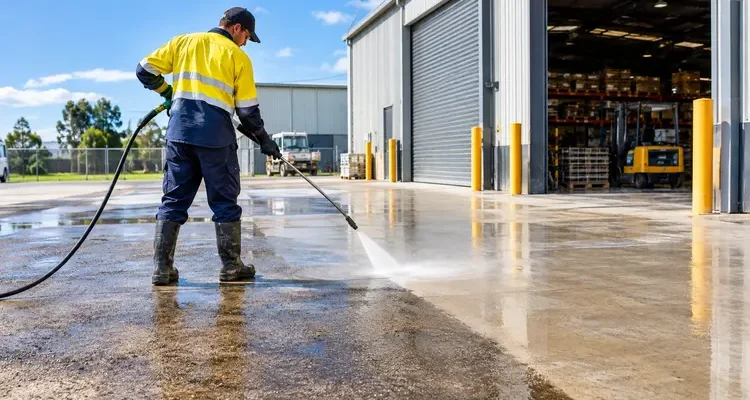
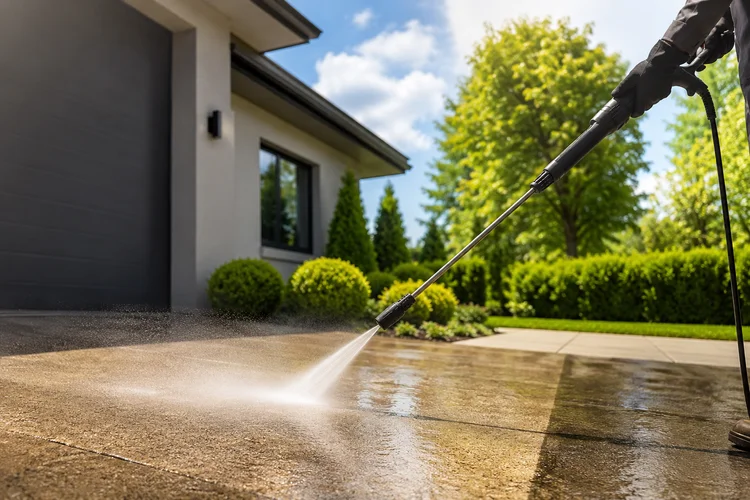
Most homes benefit from pressure washing at least once a year, but depending on where you live and what’s around your property, you might need it more often than that. If your home is near the coast, surrounded by trees, or sits in a shaded spot, every six months could be the right call. For most Queensland properties, an annual clean is enough to keep exterior surfaces looking their best.
How Often Should You Pressure Wash Your House?
There’s no single answer that fits every home, but a good starting point is once every 12 months. From there, your local environment, surface types and the amount of activity around your property all play a role.
Recommended Pressure Washing Schedule
Every 12 Months
Annual pressure washing suits most residential properties. If your home has moderate exposure to weather and everyday dirt, a yearly clean keeps exterior surfaces in good shape without overdoing it. It’s a straightforward maintenance habit that helps you stay on top of buildup before it becomes a bigger problem.
Best for:
- Most residential properties
- Homes with moderate exposure to dirt and weather
- Regular exterior maintenance
Every 6 Months
Some homes need more frequent attention. If mould or algae seem to come back quickly after cleaning, or your outdoor areas take a hammering through Queensland’s wet season, a six-monthly schedule makes sense.
Recommended for homes with:
- Heavy shade across driveways and outdoor areas
- High humidity and poor airflow
- Coastal exposure and salt air
- Frequent mould or algae growth
- Large outdoor entertaining areas used year-round
Before Important Events
Outside of your regular schedule, there are times when a clean makes obvious sense regardless of when you last had one done. A professional pressure wash can make a real difference to how your property presents.
Consider pressure washing before:
- Selling your home
- Hosting outdoor events or large gatherings
- Exterior renovations or repainting
- Property inspections
- Tenancy changes
Factors That Affect How Often Your Home Needs Pressure Washing
Two homes on the same street can need very different cleaning schedules. Here’s why.
Your Local Climate and Weather Conditions
Queensland’s warm, humid climate is great for spending time outdoors — but it also creates the right conditions for mould, mildew and algae to take hold on exterior surfaces. Summer storms spread dirt, debris and organic matter across driveways, walls and outdoor areas. Rainfall doesn’t clean surfaces; it often makes buildup worse.
Homes around Hervey Bay and the surrounding coastal areas face the additional challenge of salt air. Salt deposits on walls, fences and concrete accelerate surface deterioration and contribute to that dull, weathered look. If your property sits close to the waterfront or catches regular sea breezes, more frequent residential pressure washing is a practical part of property maintenance.
The Amount of Shade Around Your Property
Shaded areas dry out slowly, which creates the damp conditions that mould and algae thrive in. If large trees or structures block sunlight from reaching your driveway, pathways or outdoor entertaining areas for much of the day, you’re likely to see green or black growth appearing faster than homes that get more sun.
Shaded surfaces can also become slippery over time, especially pathways and pool surrounds. Regular cleaning keeps these areas safe and usable.
Your Home’s Surrounding Environment
What surrounds your property affects what ends up on it.
- Homes near busy roads collect dust, exhaust residue and vehicle pollutants on walls and driveways
- Rural properties often see mud, soil and organic matter brought in by weather and foot traffic
- Properties surrounded by trees and gardens may deal with leaf staining, seed residue and ongoing organic buildup
None of these are unusual problems — they just mean that cleaning frequency needs to match the environment your home is actually in.
The Type of Exterior Surfaces
Different surfaces pick up dirt at different rates and handle cleaning differently. Knowing what you’re working with helps set realistic expectations.
Concrete Driveways and Paths
Concrete is porous, which means oil stains, tyre marks, dirt and mould don’t just sit on the surface — they work their way in over time. Annual cleaning is usually enough to keep concrete looking reasonable, but driveways with heavy vehicle use or oil spills may need attention sooner.
Outdoor Entertaining Areas
Patios, pool surrounds and alfresco areas see regular foot traffic and exposure to food spills, sunscreen, organic debris and moisture. These surfaces tend to show buildup quickly and benefit from cleaning every six to twelve months.
Exterior Walls
Brick, render and weatherboard all respond differently to exterior cleaning — and this is where the approach matters as much as the frequency. High-pressure washing on render or weatherboard can strip paint, leave permanent wand marks or force water behind cladding, creating trapped moisture and long-term structural issues. It can also blast away surface dirt while leaving mould spores alive, causing growth to return faster than before.
For these surfaces, soft washing is the appropriate method — low-pressure rinsing combined with targeted treatments that kill mould and organic growth at the root rather than just removing the visible layer. Most exterior walls benefit from soft washing every one to three years depending on exposure and the amount of biological growth present.
Fences
Timber fences are particularly vulnerable to mould, mildew and discolouration from moisture and shade. Colourbond fencing is more resilient but still accumulates salt, dust and organic matter over time. A clean every one to three years keeps both materials looking presentable and helps extend their condition.
Signs Your Home Needs Pressure Washing
Sometimes the schedule is less important than what you can see. These are the common signs that it’s time to call in a pressure washing service.
Visible Dirt and Discolouration
Dark marks on concrete, dirty pathways and stained walls are the most obvious sign. If the entrance to your home looks grimy or your driveway has taken on a grey or brown tinge that wasn’t there when it was new, a thorough clean will usually restore a lot of that original appearance.
Mould, Mildew or Algae Growth
Green or black patches on walls, fences, paths and outdoor surfaces aren’t just an eyesore — they spread if left alone. In Queensland’s climate, a small patch of mould on a shaded pathway can cover a large area within a season. Growth on outdoor surfaces also creates slip hazards, particularly around pool surrounds and steps.
Your Driveway Looks Older Than It Is
Oil stains, tyre marks and embedded dirt all contribute to a driveway that looks worn and neglected even when it’s relatively new. Concrete in particular absorbs these contaminants and can take on a permanently stained appearance without regular maintenance. Pressure washing removes surface-level contamination before it becomes a permanent problem.
Outdoor Areas Are No Longer Enjoyable
A dirty patio or a pool area covered in grime makes outdoor living less appealing. If your entertaining space looks neglected, a clean can quickly restore it to a usable, inviting state — especially before summer or ahead of a gathering.
Benefits of Regular Pressure Washing Your Home
Keeping to a regular pressure washing schedule pays off in a few different ways.
Improves Your Home’s Appearance
Clean exteriors simply look better. A pressure wash restores the original appearance of driveways, pathways, walls and outdoor areas, improves kerb appeal from the street, and makes outdoor spaces more inviting. It’s one of the fastest ways to lift the overall presentation of a property without a major renovation.
Helps Protect Exterior Surfaces
Dirt, mould and organic matter aren’t just cosmetic problems. Left in place, these contaminants work into surface materials and contribute to deterioration over time. Regular cleaning removes damaging buildup and supports the kind of ongoing property maintenance that keeps surfaces in better condition long-term. It’s not a guarantee, but staying on top of cleaning is better than letting buildup accumulate for years.
Creates a Cleaner Outdoor Environment
Removing mould and algae from outdoor surfaces reduces slip hazards on pathways, steps and pool surrounds. It also makes those areas genuinely more usable — a clean patio or driveway is a better environment for kids, pets and guests than one covered in biological growth and staining.
Helps Prepare Your Property for Sale
First impressions count, and the exterior of your home is the first thing buyers see. A clean driveway, tidy entrance and presentable outdoor areas can make a real difference to how a property is perceived during inspections. Pressure washing is one of the more cost-effective ways to improve presentation before going to market.
How Often Should You Pressure Wash Different Areas of Your Home?
Use this as a general guide. Actual frequency will depend on surface condition, local environment and the amount of shade and activity around each area.
| Area | Recommended Frequency | Cleaning Method |
| Driveways | Every 12 months | High-pressure cleaning |
| Concrete paths | Every 12–18 months | High-pressure cleaning |
| Patios | Every 6–12 months | Surface-dependent pressure or soft wash |
| Pool surrounds | Every 6–12 months | Surface-dependent pressure or soft wash |
| Exterior walls (render, weatherboard) | Every 1–3 years depending on exposure | Low-pressure soft washing |
| Fences | Every 1–3 years | Surface-dependent pressure or soft wash |
| Outdoor entertaining areas | Every 6–12 months | Surface-dependent pressure or soft wash |
Note: These are general recommendations. Coastal properties, shaded areas and high-traffic surfaces may require more frequent attention. Cleaning method should always be matched to the surface — soft washing is recommended for all vertical wall surfaces.
Should You Pressure Wash Your Home Yourself?
It’s a fair question, and the honest answer is: it depends on the job.
DIY Pressure Washing Considerations
Hiring or buying a pressure washer and doing it yourself is a viable option for some tasks. But there are a few things worth thinking through before you start.
- Choosing the correct pressure level for different surfaces isn’t always straightforward. Too much pressure on render, weatherboard or pavers can cause serious damage — render etching and moisture ingress behind cladding are common DIY mistakes.
- Exterior walls and cladding generally require soft washing rather than high pressure. Using a standard pressure washer on these surfaces can do more harm than the original dirt.
- Reaching difficult areas — second-storey walls, eaves, or awkward corners — can be challenging and carries safety risks.
- Without experience, achieving consistent results across a large area takes longer and may leave uneven patches.
- Handling pressure washing equipment safely, including working around water and electrical hazards, requires care.
For small, accessible areas like a ground-floor patio or a garden path, DIY can work well. For larger jobs or surfaces that require careful technique, the risks are higher.
Why Professional Pressure Washing Can Be Beneficial
Professional exterior cleaning services bring commercial-grade equipment, experience with a range of surfaces and the knowledge to apply the right technique for each job — including knowing when to soft wash rather than pressure wash. For walls, render and cladding, this distinction is critical. The result is more consistent, completed more efficiently and far less likely to cause accidental surface damage.
If your home hasn’t been cleaned in a few years or has significant mould and staining across multiple surfaces, professional exterior cleaning is often the more practical choice — and the results tend to show it.
What Happens If You Don’t Pressure Wash Your Home Regularly?
Skipping maintenance doesn’t mean nothing happens. It just means problems develop more gradually until they become harder to ignore.
Increased Dirt and Staining
Surface-level dirt that could have been removed with an annual clean becomes embedded over time. Concrete absorbs staining. Walls accumulate layers of grime. At a certain point, cleaning becomes significantly more effort than it would have been with regular maintenance.
Mould and Algae Growth
Mould and algae spread. What starts as a small patch on a shaded pathway can cover a large area within a season or two. Beyond appearance, this creates genuine slip hazards and can affect air quality around outdoor areas close to the home.
Reduced Kerb Appeal
A property that hasn’t been cleaned in years takes on a worn, neglected appearance that’s hard to miss. This affects how the home presents from the street and can impact its perceived value — particularly relevant if you’re planning to sell.
More Difficult Future Cleaning
Heavy, long-term buildup is harder to shift than regular maintenance dirt. In some cases, deeply embedded staining may not fully respond to pressure washing alone. Staying on a regular schedule makes each clean easier and more effective.
Best Time of Year to Pressure Wash Your Home in Queensland
Queensland’s seasons create a few natural windows when pressure washing makes the most practical sense.
Spring Cleaning
Spring is one of the most popular times to schedule a clean, and for good reason. Winter in Queensland is mild, but it’s still a period where outdoor areas see less use and some buildup occurs. A spring clean removes that winter accumulation and gets outdoor areas ready for warmer weather and more activity.
Before Summer Entertaining
As temperatures rise and outdoor entertaining picks up, it’s worth having patios, pool surrounds and alfresco areas cleaned before the season gets underway. It’s easier to maintain a clean surface than to tackle months of buildup mid-summer.
After Storm Season
Queensland’s storm season brings rain, wind and organic debris that gets spread across outdoor surfaces. A clean after the wet season removes that accumulation before it has time to stain or contribute to mould growth heading into the cooler months.
Professional Residential Pressure Washing Services From CJS Machinery Hire
At CJS Machinery Hire, we offer professional pressure washing services for residential properties across Hervey Bay, Booral, Maryborough and the surrounding region. We’re a local, family-owned business with over 25 years of experience in the trades, and we bring that same practical, no-fuss approach to every pressure washing job.
We work with equipment suited to residential cleaning and can handle a range of exterior surfaces including:
- Driveways, concrete paths and paved areas (high-pressure cleaning)
- Patios, pool surrounds and outdoor entertaining spaces (surface-dependent pressure or soft wash)
- Fences and boundary structures (surface-dependent)
- Exterior walls, render, cladding and eaves (low-pressure soft washing)
If your home’s outdoor surfaces are looking tired, dirty or affected by mould and grime, CJS Machinery Hire can provide professional pressure washing solutions to restore your property’s appearance. We’re reliable, local and here to get the job done properly.
Get in touch with our team today to discuss your property and arrange a time that works for you.
Frequently Asked Questions
How often should you pressure wash your home?
Most homes benefit from annual pressure washing, but frequency depends on environment and surface conditions. Coastal properties, shaded areas and homes with large outdoor entertaining spaces may need cleaning every six months.
Is pressure washing safe for all house surfaces?
High-pressure washing is ideal for durable surfaces like concrete driveways, paths and pavers, but it can severely damage delicate exteriors like render, painted brick or weatherboard. For these surfaces, CJS Machinery Hire uses a soft washing approach — combining low-pressure rinsing with targeted treatments to clean safely without risking surface damage, stripping paint or forcing moisture behind cladding.
Can pressure washing remove mould and algae?
Pressure washing can remove many types of surface buildup, including dirt, mould and algae growth. For heavily affected surfaces, additional treatment may be recommended alongside the clean.
How long does pressure washing a house take?
This depends on the size of your property, the number of surfaces being cleaned and the level of buildup. A single driveway might take an hour, while a full exterior clean across multiple areas can take most of a day.
Should I pressure wash before painting my house?
Cleaning exterior surfaces before painting is good practice. It removes dirt, mould and contaminants that can prevent paint from bonding properly and affect the final result.
Keeping Your Home Clean Starts With Calling the Right Team
Whether it’s your driveway, patio, pool surround or exterior walls, regular pressure washing is one of the simplest ways to keep your home looking well-maintained and your outdoor areas enjoyable year-round. For Hervey Bay and surrounding properties, local conditions make it even more important to stay on top of cleaning before mould, salt buildup and staining become bigger problems.
If you’re not sure where to start or your home is well overdue for a clean, the team at CJS Machinery Hire is ready to help. We know the local area, we’ve got the right equipment and we’ll give you a straight answer on what your property needs. Give us a call or get in touch online — let’s get it sorted.
Related Posts
Post a Comment