
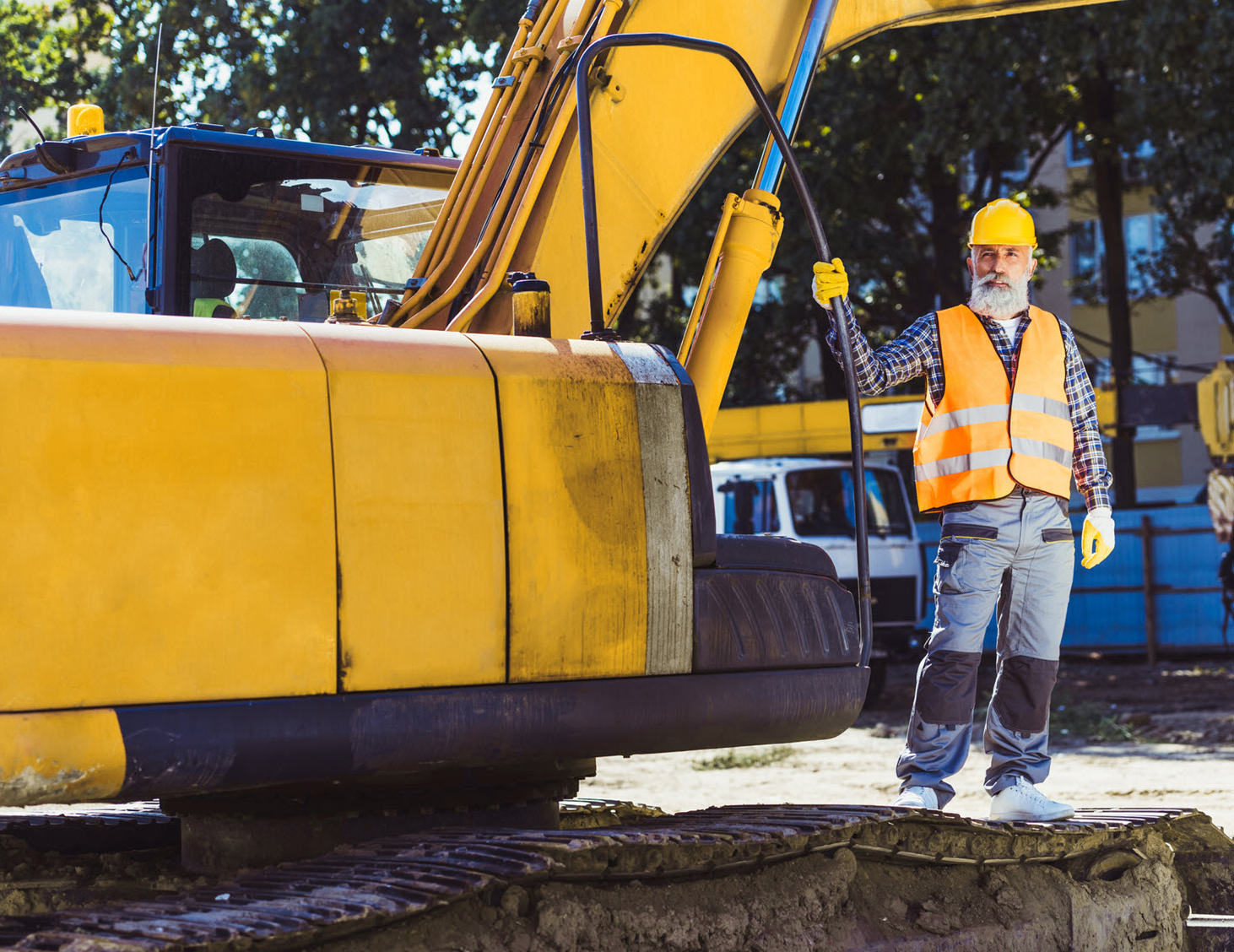
When it comes to equipment hire in the construction, landscaping, and earthmoving industries, one of the most important decisions you’ll face is choosing between dry hire and wet hire. This choice can significantly impact your project’s efficiency, budget, and safety outcomes.
Whether you’re a seasoned contractor, a property developer, or a homeowner tackling a DIY excavation project, understanding the difference between these two hire options will help you make smarter decisions and avoid costly mistakes.
At CJS Machinery Hire, we’ve been serving the Hervey Bay, Booral, and Fraser Coast communities for over 25 years. As a family-owned business with extensive experience in construction and earthmoving, we understand that every project is unique. That’s why we offer both dry and wet hire options across our full fleet, giving you the flexibility to choose what works best for your specific needs.
What Is Dry Hire?
Definition
Dry hire is the rental of machinery or equipment without an operator. When you opt for dry hire, you’re responsible for operating the equipment yourself or providing your own qualified operator. It’s called “dry” because you’re hiring just the machine itself, without any additional services or personnel.
This hire model gives you direct control over the equipment and how it’s used throughout your project. You decide when to start, how long to work, and which tasks to prioritize without needing to coordinate with an external operator.
Common Dry Hire Equipment
Dry hire is particularly popular for equipment that’s relatively straightforward to operate or when businesses already have skilled operators on staff. These include:
- Mini excavators – Perfect for digging trenches, landscaping, or small-scale earthmoving work
- Tipper trucks – Essential for transporting soil, gravel, and construction materials
- Bobcats and skid steer loaders – Versatile machines for leveling, loading, and site cleanup
- Earthmoving attachments – Augers, rippers, and buckets that expand your machine’s capabilities
- Compaction equipment – Plate compactors and rollers for preparing surfaces
- Trailers – For moving materials or smaller equipment around your site
Pros of Dry Hire
Dry hire offers several compelling advantages, particularly for experienced operators and businesses with their own qualified staff:
Cost-effective for experienced operators – Without paying for an operator’s time and expertise, dry hire typically costs significantly less than wet hire. If you or your team already know how to run the equipment safely and efficiently, you’re only paying for the machine itself.
Flexible scheduling – You’re in complete control of the equipment’s schedule. Start early, work late, or take breaks as needed without worrying about operator availability or overtime rates. This flexibility can be invaluable when weather delays occur or project timelines shift.
Ideal for businesses with in-house operators – Construction companies and earthmoving contractors often have licensed operators on staff already. For them, dry hire makes perfect economic sense since they’re not paying twice for the same skill set.
Suitable for DIY projects where operator skill is present – Homeowners or farmers with machinery experience can save money on smaller projects like digging a dam, clearing land, or preparing a building site. If you know what you’re doing, dry hire lets you work at your own pace.
Greater autonomy – You have full control over how the machine is used, which can be particularly valuable when you’re familiar with your site’s specific challenges and requirements.
Cons of Dry Hire
While dry hire has its benefits, it’s not without potential drawbacks:
Requires operator expertise – You or someone on your team needs to be competent and ideally licensed to operate the equipment. Inexperience can lead to poor results, project delays, or safety incidents.
Higher risk of damage or misuse – Without a professional operator who uses the equipment daily, there’s a greater chance of accidentally damaging the machine or using it incorrectly. This can result in repair costs or liability issues.
Potential for delays if unfamiliar with the machine – Even experienced operators need time to familiarize themselves with a new piece of equipment. Controls, capabilities, and handling can vary between models and manufacturers.
Full responsibility for safety – You’re responsible for ensuring all workplace health and safety requirements are met, including proper operation, site hazards, and compliance with regulations.
Fuel and maintenance considerations – Depending on your hire agreement, you may be responsible for refueling and performing basic maintenance checks during the hire period.
What Is Wet Hire?
Definition
Wet hire is equipment rental that comes with an experienced, licensed operator included in the package. The “wet” term comes from the fact that you’re hiring both the machinery and the manpower to run it. The operator brings their expertise, qualifications, and often years of industry experience to your project.
With wet hire, you essentially gain a skilled team member for the duration of your project without the long-term commitment of employment. The operator handles all aspects of running the machinery safely and efficiently while you focus on other project requirements.
Typical Wet Hire Situations
Wet hire is commonly chosen for projects where professional expertise makes a significant difference:
Larger landscaping projects – Complex grading, retaining wall construction, or extensive site preparation work benefits from an operator who can work efficiently and minimize rework.
Civil construction – Road work, drainage installation, and infrastructure projects often require precision and speed that comes from professional operators.
Complex excavation work – Digging around existing services, creating detailed earthworks, or working in confined spaces requires skill and experience to avoid costly mistakes.
When safety, precision, or speed are priorities – Projects with tight timelines, technical specifications, or significant safety considerations often justify the additional cost of wet hire.
Specialty equipment operation – Equipment like cherry pickers or larger excavators may require specific licensing and experience that makes wet hire the sensible choice.
Pros of Wet Hire
Wet hire delivers several key advantages that can make it the smarter long-term investment:
Professional operator ensures safe, efficient work – Experienced operators know how to get the most out of the equipment. They work faster, make fewer mistakes, and can often complete tasks that would take an inexperienced operator twice as long.
Reduced risk of delays and machine damage – Professional operators are less likely to break equipment or encounter operational problems that halt progress. They also understand the machine’s limitations and capabilities.
Predictable project timelines – When you know the work will be done efficiently, you can plan other trades and project phases with greater confidence. This reduces expensive downtime and coordination issues.
Great for clients without equipment experience – Property owners, developers, or businesses without in-house operators can access professional earthmoving services without needing to recruit, train, or manage specialized staff.
Operator brings problem-solving skills – Experienced machinery operators often spot potential issues before they become problems and can suggest more efficient ways to approach your project based on their years of fieldwork.
Compliance and liability – The hire company typically maintains responsibility for operator competency, licensing, and workplace safety compliance.
Cons of Wet Hire
Despite its benefits, wet hire isn’t always the right choice for every situation:
Higher upfront cost – You’re paying for both the equipment and the operator’s time, expertise, and qualifications. This can significantly increase your daily or hourly hire rate compared to dry hire.
Less flexibility in scheduling – Operators have set working hours, and extending those hours may incur overtime rates. You can’t simply decide to work through the evening or start at dawn without coordinating with the operator and potentially paying premium rates.
You rely on operator availability – If your project timeline shifts or you need to extend the hire period, the operator may not be available due to other commitments. This can create scheduling challenges.
Less direct control – While you direct what needs to be done, you’re not physically controlling the machine yourself. Communication becomes more important to ensure the work matches your expectations.
Cost Comparison: Dry Hire vs Wet Hire
Understanding the true cost difference between dry and wet hire requires looking beyond the daily rate advertised.
Base Rate Differences
Dry hire typically costs significantly less than wet hire on a straight daily rate comparison. The equipment-only rate is noticeably lower than the combined rate for machinery plus operator, though the exact difference varies depending on the equipment type, job complexity, and hire duration.
How Operator Rates Impact Total Cost
The operator component of wet hire includes their wages, superannuation, insurance, and expertise. Professional machinery operators are skilled tradespeople, and their rates reflect years of training and experience. However, their efficiency often means jobs are completed faster, potentially offsetting the higher hourly rate.
Hidden Costs to Consider
Beyond the advertised rate, several factors can impact your total project cost:
- Insurance and damage liability – With dry hire, you’re typically responsible for any damage to the equipment. Insurance or damage waivers may be available but add to your costs. Wet hire often includes coverage for normal wear and operational damage.
- Downtime – An inexperienced operator might take longer to complete tasks or need to stop and figure out problems. This extends the hire period and increases costs. Professional operators minimize downtime through efficient work practices.
- Damage liability – Accidentally damaging the equipment during dry hire can result in expensive repair bills. Professional operators in wet hire arrangements know how to avoid damage and work within the machine’s limits.
- Fuel costs – Dry hire agreements often require you to return the equipment with a full tank or cover fuel costs separately. Wet hire may include fuel in the package or charge it separately depending on usage.
- Project delays – Mistakes, inefficient operation, or equipment misuse during dry hire can delay your entire project, impacting other trades and increasing indirect costs significantly.
When Dry Hire Saves Money
Dry hire is more economical when:
- You have experienced operators already on payroll
- The project duration is long enough that operator costs would accumulate significantly
- Tasks are straightforward and don’t require specialized expertise
- You’re running equipment intermittently rather than continuously
- Multiple operators will use the same equipment across shifts
When Wet Hire Is More Economical Long-Term
Wet hire often proves more cost-effective when:
- The project requires high precision that prevents costly rework
- Time savings from professional operation offset the higher rate
- You avoid potential damage costs and insurance excess
- Reduced project duration minimizes accommodation, supervision, and indirect costs
- You don’t need to coordinate multiple pieces of equipment or operators yourself
Safety Considerations
Safety should never be an afterthought when hiring machinery. The difference between dry and wet hire has significant safety implications.
Why Operator Skill Is Crucial for Certain Machines
Some equipment poses greater risks when operated by inexperienced personnel. Excavators working near underground services, tipper trucks navigating busy sites, or elevated work platforms all require specific skills and awareness. An experienced operator understands load limits, stability factors, and situational awareness that comes from daily machine use.
Professional operators also recognize early warning signs of mechanical issues that could lead to safety incidents. They know how to work safely around power lines, avoid underground utilities, and maintain stable operation on sloped or uneven ground.
Workplace Health and Safety Compliance
Queensland workplace health and safety legislation requires that anyone operating machinery is adequately trained and competent. For businesses, this means ensuring your dry hire operators hold appropriate licenses and have demonstrable experience with the specific equipment type.
Wet hire arrangements typically see the hire company maintaining responsibility for operator qualifications, medical fitness, and ongoing competency. This can significantly reduce your administrative burden and compliance risks.
Liability Differences Between Wet and Dry Hire
With dry hire, the hiring party generally assumes greater responsibility for safe operation, site hazards, and preventing accidents. Your business or project may be liable for incidents involving the equipment.
Wet hire arrangements often include the operator within the hire company’s insurance and liability coverage, though specific responsibilities should always be clarified in your hire agreement. The professional operator’s experience also reduces the likelihood of incidents occurring in the first place.
How CJS Machinery Hire Helps Ensure Safe Operation
At CJS Machinery Hire, safety is never compromised. For dry hire customers, we provide thorough operational briefings for anyone unfamiliar with our equipment. We’ll walk you through controls, safety features, and basic maintenance checks to help you work confidently.
Our wet hire operators are fully licensed, experienced professionals who prioritize safe work practices. They understand local site conditions across the Fraser Coast and bring practical knowledge that only comes from years in the field.
We maintain our fleet to the highest standards with regular servicing and safety inspections. Every machine leaves our yard in excellent working condition, giving you reliable performance and peace of mind.
Choosing the Best Hire Option for Your Project
So how do you decide between dry and wet hire? Consider these practical guidelines.
When Dry Hire Makes More Sense
Experienced operator available – If you or your staff have the necessary licenses, experience, and confidence to operate the equipment safely and efficiently, dry hire lets you control costs while maintaining project flexibility.
Small, straightforward tasks – Jobs like moving soil around your property, digging a small trench, or preparing a level pad for a shed don’t necessarily require professional operation if you have basic machinery skills.
Budget-conscious DIY projects – Homeowners and farmers tackling their own projects can save significantly with dry hire, provided they have the competence to operate the equipment safely. The money saved can be invested elsewhere in the project.
Long-term hire needs – When equipment will be on site for weeks or months, dry hire becomes increasingly cost-effective, especially if you’re using it intermittently rather than continuously.
Multiple operators available – Businesses with several licensed operators can maximize equipment utilization with dry hire, running the machinery across shifts or multiple sites.
When Wet Hire Is the Better Choice
Large or complex jobs – Extensive earthworks, precise grading, or projects requiring expert knowledge benefit significantly from professional operation. The operator’s experience ensures quality results and efficient completion.
Tight deadlines – When time is money and delays have serious cost implications, paying for professional operation helps ensure your project stays on schedule. Experienced operators work faster and encounter fewer problems.
Projects requiring precision work – Setting levels for drainage, creating specific grades, or working around existing structures requires skill that comes from years of experience. Getting it right the first time avoids expensive rework.
When you want peace of mind and compliance – Wet hire removes the burden of ensuring operator competency, managing safety compliance, and worrying about equipment operation. You can focus on other project aspects while knowing the machinery work is handled professionally.
Unfamiliar equipment – If the project requires equipment you’ve never operated before, wet hire provides access to both the machine and the expertise to use it effectively.
Risk-sensitive projects – Work near buildings, underground services, or in confined spaces justifies the additional cost of professional operation to minimize accident risks.
How CJS Machinery Hire Supports Both Dry and Wet Hire Needs
At CJS Machinery Hire, we’ve built our reputation over 25 years by offering flexibility, reliability, and genuine customer service across the Hervey Bay, Booral, and Fraser Coast regions.
Availability of Skilled and Licensed Operators
Our wet hire operators bring decades of combined experience across construction, landscaping, and earthmoving projects. They’re fully licensed, safety-conscious professionals who take pride in their work and understand local site conditions.
We also offer a unique driver for a day hire service, which provides professional operation without committing to a full wet hire arrangement. This flexible option works well for projects that need professional expertise for specific tasks or critical phases.
Flexible Hire Terms
We understand that projects don’t always go to plan. That’s why we offer flexible hire periods from daily rates to long-term arrangements, with even better pricing for repeat customers who we know we can rely on.
Local Expertise in Hervey Bay, Booral, and Fraser Coast
As a family-owned business based right here in Booral, we understand the specific conditions, soil types, and challenges of working across the Fraser Coast region. Our operators know the area, and we pride ourselves on being a local company that supports local projects.
From residential developments in Hervey Bay to rural property work in Maryborough and everywhere in between, we’ve seen it all. This local knowledge translates into practical advice and efficient service.
Emphasis on Reliable Machinery, Safety Standards, and Customer Support
We don’t just hand over keys and wish you luck. Every dry hire customer receives a thorough equipment briefing covering safe operation, controls, and maintenance requirements. If you have questions during your hire period, we’re just a phone call away.
Our machinery is regularly serviced and maintained to manufacturer specifications. We want you to have the same positive experience whether you’re hiring for the first time or the hundredth.
Making Your Machinery Hire Decision
Choosing between dry hire and wet hire doesn’t need to be complicated. Consider your project’s specific requirements, your team’s capabilities, and your budget constraints. Sometimes the right answer is obvious; other times, it helps to talk through your options with someone who understands both the equipment and the local industry.
At CJS Machinery Hire, we’re not here to oversell you services you don’t need. We’ll give you honest advice based on 25 years of experience about which hire option makes the most sense for your specific situation.
Whether you need a tipper truck for a few days, an excavator for a long-term project, or a complete wet hire package with professional operators, we’ve got you covered with quality equipment and reliable service.
Ready to get your project moving? Get in touch with CJS Machinery Hire today. We’ll discuss your specific requirements, answer your questions, and arrange the right equipment hire solution for your needs. With free pick-up or affordable delivery options, competitive daily rates, and the flexible, friendly service that only a local family business can provide, we’ll make sure you’ve got the right gear to get the job done properly.
Post a Comment