
Operating heavy machinery safely and efficiently comes down to one key principle — knowing your limits. Whether you’re lifting, hauling, or digging, understanding load capacities, reach, and boom limitations isn’t just about following safety rules — it’s about protecting your crew, your machinery, and your bottom line.
At CJS Machinery Hire, we’ve seen firsthand how the right equipment knowledge can make or break a project. Here’s what every operator, site manager, and contractor should know before putting machinery to work.
Why Load Capacities and Boom Reach Matter in Machinery Hire
Ensuring Safety and Efficiency on Every Job Site
Every piece of machinery — from tippers to excavators — has a defined safe working load (SWL). This number tells you exactly how much weight it can lift, carry, or move safely. Exceeding that capacity increases the risk of mechanical stress, tipping, or structural failure, especially when working on uneven ground.
Keeping within these limits isn’t just about avoiding accidents. It also helps ensure consistent performance and prevents unnecessary wear and tear on your hired machinery.
Common Mistakes Operators Make with Boom and Load Limits
A common issue we see across job sites in the Hervey Bay region is underestimating boom reach limitations. When a boom is extended too far, even a moderate load can become unstable. The further the reach, the lower the load capacity — a principle that’s often overlooked in high-pressure work environments.
How CJS Machinery Hire Helps You Operate Within Safe Limits
Our team doesn’t just drop off equipment and walk away. At CJS Machinery Hire, we take the time to ensure our clients understand how to operate safely within each machine’s working range. We provide guidance on load ratings, terrain conditions, and best practices for optimal performance.
What Is Load Capacity and Why It’s Critical
Defining Load Capacity in Simple Terms
Load capacity refers to the maximum weight a machine can safely handle under specific operating conditions. It’s calculated by engineers and verified through rigorous testing — and should never be guessed in the field.
Factors That Affect Load Ratings — Weight, Angle, and Ground Conditions
Several variables affect load capacity:
- Load weight and distribution — uneven loads shift the machine’s balance.
- Boom angle and length — as the boom extends or angles outward, lifting ability decreases.
- Ground conditions — soft or uneven soil reduces stability and increases the risk of tipping.
How to Read Load Charts for Tippers, Excavators, and Other Equipment
Every machine includes a load chart that outlines safe lifting ranges. These charts detail how much weight can be safely handled at specific boom lengths and angles. Understanding this data helps prevent overloading and keeps both operator and site safe.
The Risks of Exceeding Load Limits on Site
When a machine operates beyond its rated capacity, it may suffer hydraulic strain, structural damage, or outright failure. Even if an incident doesn’t occur immediately, consistent overloading accelerates wear, leading to costly repairs and downtime.
Understanding Boom Reach and Its Limitations
What “Reach” Means for Different Types of Machinery
Boom reach refers to how far your machinery can safely extend while maintaining balance. Excavators, for example, have a working radius that defines how far they can reach while digging or lifting before stability is compromised.
How Boom Length and Angle Affect Stability
The longer the boom extends, the smaller the load it can safely handle. Likewise, operating at low boom angles increases leverage on the base, creating instability. This is why operators should always check the machine’s load chart before making a lift.
Differences Between Hydraulic and Telescopic Booms
- Hydraulic booms allow flexible movement and better control for digging or reaching close to the machine.
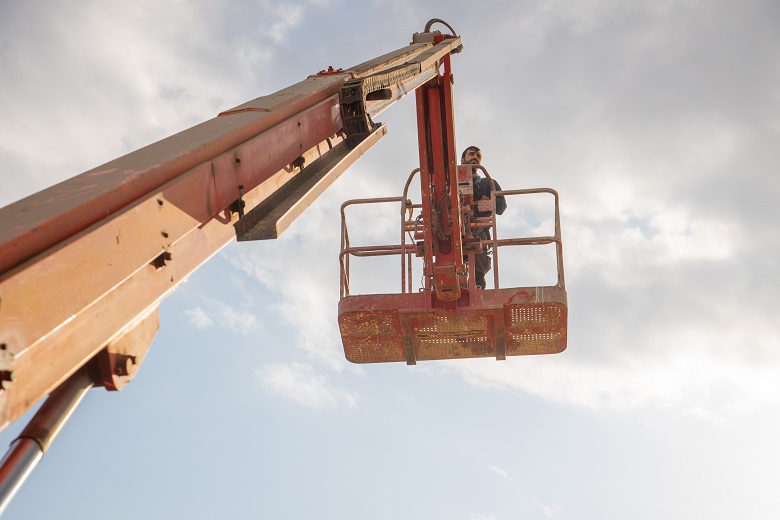
- Telescopic booms, common in cranes or reach lifts, extend in sections and require extra caution when operating at full extension.
Safe Working Distances When Using Booms in Confined Areas
Working in tight or uneven areas like construction sites around Booral or Hervey Bay can challenge safe reach operation. Always allow for enough clearance and ensure stabilisers are properly positioned before extending the boom.
Practical Scenarios on Site
Lifting Heavy Loads with Excavators and Tippers in Hervey Bay Conditions
Hervey Bay’s mixed coastal terrain often means working on sandy or uneven ground. When lifting or tipping on these surfaces, operators must reduce load weight and stabilise the machine before operating. This ensures balance and reduces the risk of tip-over accidents.
How Uneven or Soft Ground Impacts Load and Reach Performance
Even the most powerful machinery can become unstable on soft or shifting ground. Before work begins, check soil firmness and consider load spreaders or mats to stabilise the base.
Maintaining Safe Operation with a Tipper Under Load
When using a tipper, operators should always ensure the load is evenly distributed before raising the tray. Uneven weight distribution is one of the most common causes of tipping accidents — particularly when operating on sloped ground.
How to Stay Within Safe Operating Limits
Pre-Operation Inspections and Load Checks
Before every shift, conduct a full inspection. Confirm that hydraulic systems, safety pins, and load indicators are all functioning correctly. Small issues caught early can prevent large-scale damage later.
Regular Maintenance for Reliable Performance
Routine maintenance ensures accuracy in load handling. If your machinery starts to show signs of wear or unusual performance, it may be time for servicing. CJS Machinery Hire offers machine and equipment repair to keep your gear in optimal working condition.
Operator Training and Awareness — A Core Part of CJS’s Commitment
CJS Machinery Hire prioritises operator safety education. Our team ensures clients understand how to read equipment data, handle different ground conditions, and identify early warning signs of overload.
When to Call in the Experts
Warning Signs Your Machinery Needs Professional Attention
If your machinery feels unstable, struggles to lift within its normal range, or shows signs of hydraulic strain, it’s time for a professional inspection.
Why Professional Load Testing and Repairs Matter
Expert load testing identifies whether equipment is performing within its rated capacity. If it isn’t, the machinery may be unsafe to operate. That’s where our Machine & Equipment Repair service comes in — restoring full performance and safety.
How CJS Machinery Hire Keeps Your Equipment Performing Safely
Our technicians understand how Queensland’s conditions affect machinery performance. From hydraulic tune-ups to load system checks, we keep every piece of equipment working like new.
Local Expertise You Can Rely On in Hervey Bay and Surrounding Areas
As a locally operated business, CJS Machinery Hire understands the unique demands of construction, landscaping, and earthmoving projects in Hervey Bay and nearby areas like Booral, Dundowran, and Torquay.
Safety First — The Key to Efficient, Reliable Operations
Understanding load capacities, reach, and boom limitations isn’t just technical knowledge — it’s the foundation of safe, productive, and cost-effective operations.
Partner with CJS Machinery Hire for Safe and Professional Equipment Use
Whether you need machinery for a short-term project or ongoing hire, CJS Machinery Hire provides safe, well-maintained, and locally supported solutions. From hire to equipment repair, we help Hervey Bay businesses get the job done right — safely, efficiently, and within every limit that matters.
Related Posts
Post a Comment