
What Is Load Securement?
Whether you’re hauling soil to a job site, moving machinery across town, or transporting construction materials, one thing is certain: your load needs to be properly secured. Load securement isn’t just a legal requirement — it’s a critical safety practice that protects you, your cargo, and everyone else on the road.
In this guide, we’ll break down what load securement is, why it matters, and how to do it right. From the basics of restraint systems to practical tips for securing different types of loads, you’ll find everything you need to transport safely and confidently.
What Is Load Securement?
Definition of Load Securement
Load securement is the practice of keeping cargo stable and in place during transport. It involves using equipment like straps, chains, or blocking materials to prevent loads from shifting, sliding, or falling off vehicles. Whether you’re driving a tipper truck, towing a trailer, or hauling equipment on a flatbed, proper securement ensures that everything stays put from start to finish.
The Purpose of Load Securement
The main purpose of load securement is to control the forces acting on cargo during transport. When a vehicle accelerates, brakes, or turns, the load experiences movement. Without proper restraint, even a well-balanced load can shift dangerously. Load securement systems are designed to absorb and counteract these forces, keeping cargo stable no matter what happens on the road.
How Load Securement Protects Drivers and Road Users
Unsecured loads are responsible for countless accidents each year. Objects that fall from vehicles can cause serious injuries, property damage, and multi-vehicle collisions. Proper load securement protects the driver by maintaining vehicle stability and prevents debris from becoming a hazard to other road users. It’s about looking out for yourself and everyone sharing the road with you.
Why Load Securement Is Important
Preventing Road Accidents and Injuries
A single piece of unsecured cargo can turn deadly at highway speeds. Even small items can cause drivers to swerve, brake suddenly, or lose control. Proper load securement eliminates this risk by ensuring nothing falls, slides, or becomes airborne during transport.
Protecting Cargo From Damage
Shifting loads don’t just pose a danger — they can also damage your cargo. Machinery can get scratched or dented, pallets can break apart, and materials can spill. Securing your load properly means your cargo arrives in the same condition it left, saving you money and headaches.
Preventing Debris and Spillage on Roads
Loose materials like soil, gravel, or sand can easily spill onto roads if not properly covered and secured. This creates hazards for other drivers and can result in cleanup costs and fines. A tarp and proper restraint go a long way in keeping materials where they belong.
Reducing Legal and Financial Risks
Driving with an unsecured load can lead to hefty fines, demerit points, and even court appearances. If your load causes an accident or injury, you could face serious legal consequences. Investing time in proper securement is far cheaper than dealing with the fallout of a violation or incident.
Improving Overall Transport Safety
At the end of the day, load securement is about doing the job safely. It reduces stress, improves vehicle handling, and gives you confidence that you’re transporting responsibly. Whether you’re a contractor, farmer, or homeowner, safe transport practices make every trip smoother.
Load Securement Laws and Regulations
Overview of Load Restraint Requirements
In Australia, load securement is governed by strict regulations designed to protect road users. All loads must be restrained to prevent movement in any direction, and vehicles must comply with weight limits and restraint standards. These rules apply to all road users, from professional transport operators to weekend DIYers.
The National Load Restraint Guide
The National Load Restraint Guide is the primary reference for load securement in Australia. It provides detailed guidance on how to secure different types of loads, the forces involved in transport, and the equipment required. The guide is regularly updated and serves as the industry standard for safe load restraint practices.
Chain of Responsibility (CoR)
Under Chain of Responsibility laws, everyone involved in the transport process shares legal responsibility for ensuring loads are secured. This includes drivers, loaders, consignors, and business operators. You can’t simply blame someone else if a load isn’t properly secured — if you’re part of the process, you’re accountable.
Who Is Responsible for Load Securement
The driver is ultimately responsible for checking that a load is secure before hitting the road. However, anyone who loads, packs, or directs the transport of goods also shares responsibility. If you’re hiring equipment like a tipper truck or trailer, it’s your job to make sure the load is properly restrained before you drive off.
Penalties for Unsafe Loads
Penalties for unsecured loads vary depending on the severity of the offence. Fines can range from a few hundred dollars to several thousand, and serious breaches can result in license suspensions or criminal charges. In the event of an accident caused by an unsecured load, penalties can be far more severe.
The Forces That Affect Loads During Transport
Forward Force During Braking
When you brake, your load wants to keep moving forward. This force can be strong enough to push cargo off the front of a trailer or slam it into the cabin of a ute. Proper forward restraint is essential to prevent this movement.
Backward Force During Acceleration
Acceleration creates a backward force that can shift loads toward the rear of the vehicle. While often less intense than braking forces, it still needs to be accounted for, especially with loose or granular materials.
Sideways Force During Cornering
Turning causes loads to shift sideways. Sharp corners or sudden lane changes can create significant lateral forces, especially on uneven or top-heavy loads. Side restraints help keep cargo centered and stable.
Vertical Forces From Road Bumps
Bumps, potholes, and uneven surfaces create vertical forces that can cause loads to bounce or lift. This is particularly important for tall or loosely stacked items that might become unstable with repeated jolts.
Why These Forces Must Be Controlled
If these forces aren’t controlled, your load will move. And once it starts moving, it can shift dangerously, fall off, or cause your vehicle to become unstable. Load securement systems are designed to absorb and resist these forces in all directions, keeping everything locked in place.
Types of Load Securement Systems
Tie-Down Systems
Tie-down systems use straps, chains, or ropes to hold cargo in place by applying downward pressure. They work by increasing friction between the load and the vehicle bed, preventing movement in all directions. This is one of the most common methods for securing general cargo.
Direct Restraint Systems
Direct restraint systems attach the load directly to anchor points on the vehicle. Instead of relying on friction, they physically prevent the load from moving. This method is often used for heavy machinery or equipment that needs to be bolted or chained down.
Containment Systems
Containment systems use barriers like gates, mesh, or solid walls to keep loads in place. Tipper trucks and enclosed trailers often use containment to prevent loose materials from spilling out. These systems work best when combined with other restraint methods.
Blocking and Bracing
Blocking involves placing materials around a load to prevent it from shifting. Wood blocks, rubber mats, or metal bars can be wedged against cargo to stop movement in specific directions. Bracing uses similar materials but applies direct pressure to hold items in place.
Friction-Based Securement
Friction-based securement relies on the natural grip between the load and the vehicle surface. Anti-slip mats, rubber liners, and textured surfaces increase friction, making it harder for loads to slide. While helpful, friction alone isn’t usually enough — it should be combined with other restraint methods.
Common Load Securement Equipment
Ratchet Straps and Tie-Down Straps
Ratchet straps are the go-to choice for securing most loads. They’re adjustable, strong, and easy to use. Look for straps with a working load limit that matches or exceeds the weight of your cargo, and always check for wear or damage before use.
Chains and Load Binders
Chains are ideal for heavy-duty applications like securing machinery or steel. Paired with load binders, they provide incredibly strong restraint. Make sure chains are rated for the load you’re carrying and inspect them regularly for rust or damage.
Rope and Tie Lines
While not as strong as straps or chains, rope can be useful for lighter loads or as a secondary restraint. Always use high-quality rope designed for load securement, and avoid using worn or frayed lines.
Edge Protectors
Edge protectors prevent straps and chains from being cut or damaged by sharp edges on your cargo. They’re especially important when securing metal, timber, or other materials with rough surfaces.
Tarps and Covers
Tarps aren’t just for keeping loads dry — they’re essential for preventing loose materials from blowing or spilling out during transport. A good quality tarp, properly secured with bungees or straps, is a must for any load that includes fine or loose materials.
Dunnage and Blocking Materials
Dunnage refers to materials like timber, foam, or airbags used to fill gaps and prevent load movement. Blocking materials like wood chocks or rubber wedges are placed around cargo to stop it from shifting. Both are inexpensive and highly effective.
Key Principles of Proper Load Securement
Even Weight Distribution
Distribute weight evenly across the vehicle to prevent overloading one axle or creating an unstable load. Heavy items should be placed low and centered, with lighter materials on top. Uneven distribution affects handling and increases the risk of rollovers.
Preventing Load Movement
Your goal is zero movement. The load should not shift forward, backward, sideways, or vertically during normal driving conditions. Test this by gently rocking the load or applying pressure — if it moves, add more restraint.
Using Adequate Restraint Strength
Every restraint has a working load limit. Make sure the combined strength of your tie-downs, chains, or straps is sufficient to hold the load under all expected forces. When in doubt, add an extra strap — it’s better to be over-secured than under-secured.
Securing Loads in Multiple Directions
Don’t just secure the load from moving forward — make sure it’s restrained in all directions. Use a combination of tie-downs, blocking, and containment to control movement from every angle.
Checking Load Stability
Before you drive off, give the load a final check. Push it, pull it, and try to shift it. Walk around the vehicle and look for anything that seems loose or unstable. A few extra minutes of inspection can prevent a disaster down the road.
Common Types of Loads That Require Securement
Loose Materials (Soil, Gravel, Sand)
Loose materials are among the most common loads for tipper truck hire and trailers. They must be contained within the vehicle bed and covered with a tarp to prevent spillage. Overfilling should be avoided, and loads should be leveled to prevent shifting.
Palletised Goods
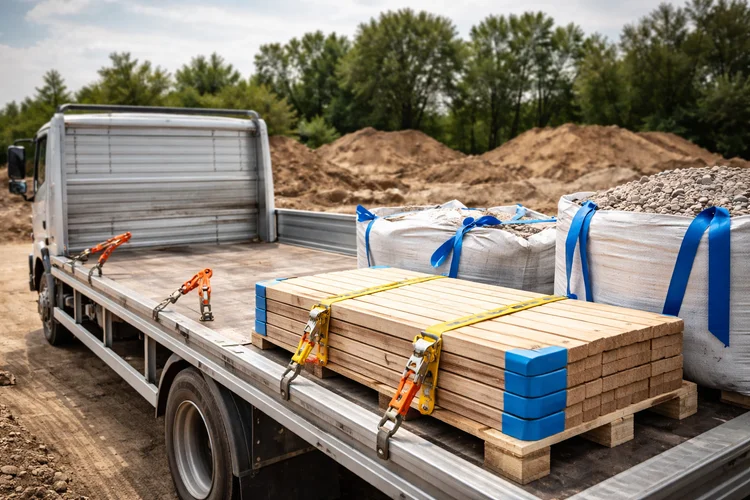
Pallets are designed for easy transport, but they still need to be secured. Use tie-down straps across the top of the stack and consider blocking or bracing to prevent sideways movement. Make sure pallets are stacked evenly and not overloaded.
Machinery and Equipment
Heavy machinery like excavators, compactors, or mowers must be secured with chains or heavy-duty straps. Use direct restraint methods and anchor to rated points on the vehicle. If you’re transporting equipment regularly, investing in proper securement gear from CJS Machinery Hire is a smart move.
Construction Materials
Timber, bricks, steel, and other building materials come in all shapes and sizes. Stack them neatly, use edge protection where needed, and apply multiple tie-downs to prevent shifting. Long materials like timber should be supported along their entire length.
Landscaping Supplies
Mulch, rocks, plants, and paving materials are common loads for landscapers. These materials often vary in weight and size, so proper distribution and containment are key. Tarps are essential for fine materials like mulch or soil.
Step-by-Step Guide to Securing a Load
Step 1: Assess the Load Size and Weight
Before you start loading, know what you’re dealing with. Check the weight of the cargo and make sure it’s within the vehicle’s capacity. Measure bulky items to ensure they’ll fit properly and won’t overhang dangerously.
Step 2: Choose Appropriate Restraint Equipment
Select straps, chains, or other equipment based on the load type and weight. Check that everything is in good condition and rated for the job. Don’t mix and match equipment that isn’t compatible.
Step 3: Position the Load Correctly
Load heavy items first and place them low and centered. Distribute weight evenly and avoid creating tall, unstable stacks. Make sure the load doesn’t exceed the vehicle’s dimensions or weight limits.
Step 4: Apply Tie-Downs or Restraints
Attach your straps, chains, or ropes to secure anchor points on the vehicle. Tighten them until the load is snug and cannot move. Use blocking or bracing where needed to fill gaps and prevent shifting.
Step 5: Test the Load for Movement
Give the load a firm push or pull in all directions. If it moves, add more restraint. The load should feel solid and locked in place.
Step 6: Conduct a Final Safety Check
Walk around the vehicle and inspect the entire setup. Check that all straps are tight, chains are secure, and nothing is dragging or hanging loose. Make sure tarps are properly fastened and won’t come loose during transit.
Common Load Securement Mistakes
Using Too Few Tie-Down Points
One or two straps might seem like enough, but they rarely are. Most loads require multiple tie-downs to resist forces from all directions. Skimping on restraints is a recipe for disaster.
Uneven Load Distribution
Piling everything on one side or stacking too high creates an unstable load that’s prone to shifting or tipping. Take the time to distribute weight evenly across the vehicle bed.
Using Damaged Straps or Chains
Frayed straps, rusted chains, or cracked binders can fail under load. Always inspect your equipment before use and replace anything that’s worn or damaged.
Failing to Check the Load During Transit
Loads can shift or loosen during transport, especially on rough roads or long trips. Stop periodically to check that everything is still secure, particularly in the first few kilometres of travel.
Not Covering Loose Materials
Driving around without a tarp on loose materials is both illegal and dangerous. Even if the load seems contained, wind and bumps can cause spillage. Always cover loose cargo.
Load Securement Best Practices
Inspect Equipment Before Use
Make checking your restraint equipment a habit. Look for frayed webbing, rust, cracks, or any signs of wear. Replace damaged equipment immediately — it’s not worth the risk.
Follow Manufacturer Load Ratings
Every strap, chain, and anchor point has a rated capacity. Never exceed these limits. If you’re not sure, check the label or documentation that came with the equipment.
Check the Load After the First Few Kilometres
The first few kilometres of travel can reveal problems you didn’t notice during loading. Straps may settle, loads may shift, or equipment may loosen. Pull over and do a quick check before continuing.
Recheck Loads on Long Trips
On longer journeys, make it a habit to stop and inspect your load every hour or two. Road conditions, weather, and vibration can all affect load stability over time.
Maintain Proper Training and Awareness
Stay informed about load securement regulations and best practices. If you’re hiring equipment like a tilt box trailer, ask for guidance on proper use. A few minutes of advice can save you from costly mistakes.
Load Securement Safety Checklist
Confirm Load Weight and Limits
Check that your load is within the vehicle’s weight capacity. Overloading affects braking, steering, and overall safety.
Ensure All Restraints Are Tight
Straps, chains, and ropes should be taut with no slack. Loose restraints won’t prevent movement.
Verify That the Load Cannot Shift
Test the load by pushing it from multiple angles. It should feel solid and immovable.
Cover Loose or Fine Materials
Use a tarp to cover soil, gravel, sand, or any other loose materials. Secure the tarp with bungees or straps.
Perform a Final Walkaround Inspection
Circle the vehicle and check everything one last time. Look for loose straps, unsecured tarps, or anything that seems out of place.
Frequently Asked Questions About Load Securement
What does load securement mean?
Load securement refers to the methods and equipment used to keep cargo stable and in place during transport. It involves using restraints like straps, chains, or blocking to prevent loads from shifting or falling off vehicles.
Why is load securement important?
Load securement is important because it prevents accidents, protects cargo, and keeps roads safe. Unsecured loads can fall off vehicles, cause collisions, and result in serious injuries or property damage. It’s also a legal requirement in Australia.
What equipment is used for load securement?
Common equipment includes ratchet straps, chains, load binders, rope, tarps, edge protectors, and blocking materials. The right equipment depends on the type and weight of the load being transported.
What happens if a load is not secured properly?
An unsecured load can shift during transport, fall off the vehicle, or cause the vehicle to become unstable. This can lead to accidents, injuries, cargo damage, and legal penalties including fines and demerit points.
How often should loads be checked during transport?
Loads should be checked immediately after loading, within the first few kilometres of travel, and periodically during long trips. Any time you stop for fuel or a break is a good opportunity to inspect the load.
Safe Load Transport Starts With the Right Equipment
At CJS Machinery Hire, we understand that getting the job done safely means having the right tools for the task. Whether you need a tipper truck for hauling soil, a tilt box trailer for transporting equipment, or advice on securing your load properly, we’re here to help.
As a family-owned business based in Booral, Hervey Bay, we’ve built our reputation on honest service and quality equipment. We don’t just hand over the keys — we’ll make sure you understand how to use the machinery safely and effectively. With flexible hire options and competitive rates, we make it easy to get what you need without the hassle.
Ready to get your next job done safely? Contact CJS Machinery Hire today to discuss your equipment needs or ask about our current hire specials. Let’s make sure your load — and your journey — is as safe and secure as it should be.
Post a Comment