

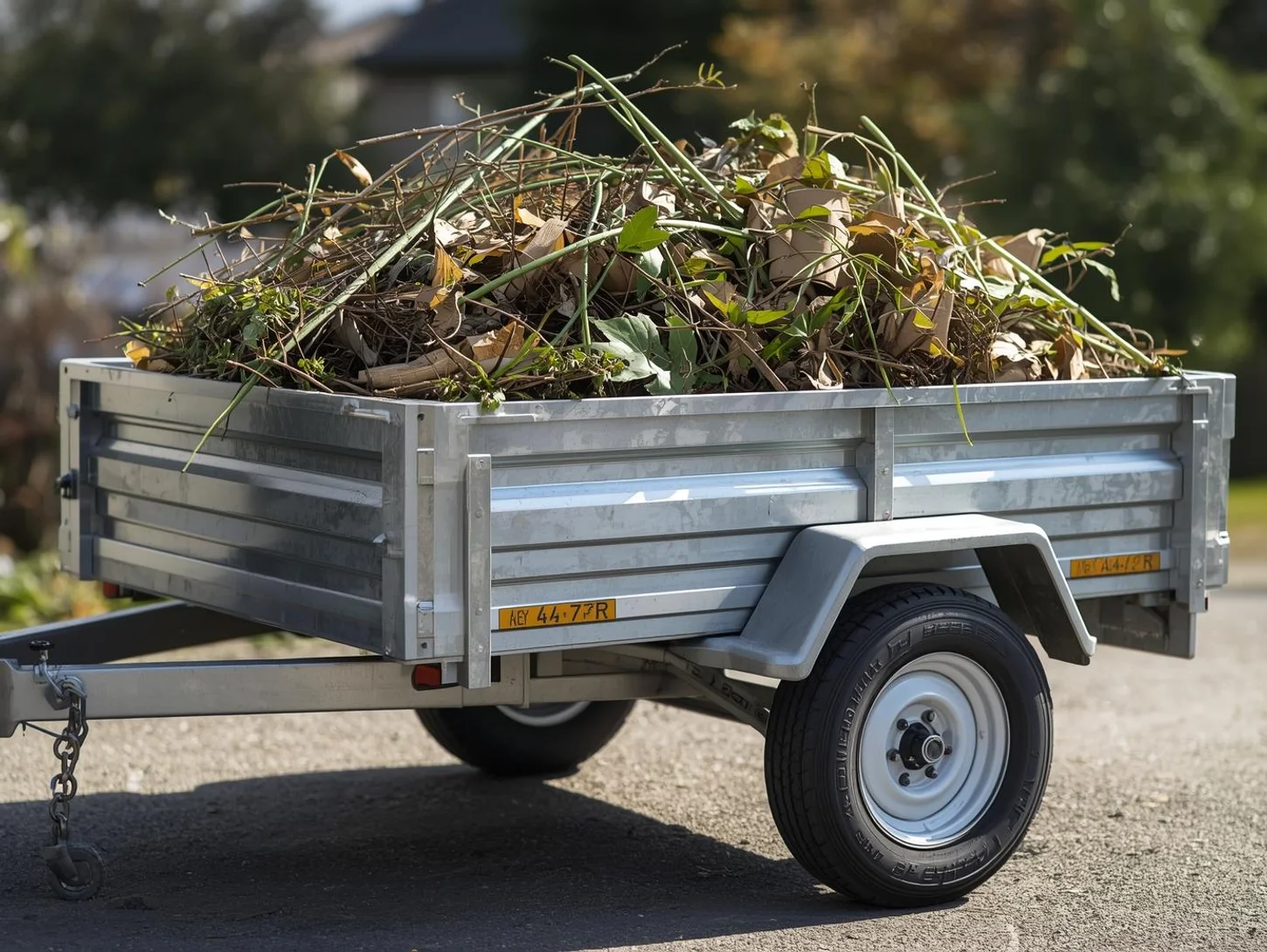
Top Mistakes People Make When Towing a Tilt-Box Trailer (And How to Avoid Them)
Tilt-box trailers have become a go-to solution for weekend warriors across Hervey Bay. Whether you’re clearing out the garage, hauling green waste to the tip, or moving furniture for a small renovation, these versatile trailers make light work of heavy jobs. They’re affordable, easy to load thanks to their tilting mechanism, and perfect for DIY projects that don’t require a full truck hire.
But here’s the catch: towing a trailer isn’t as simple as hitching up and hitting the road. Every year, countless Australians make avoidable mistakes that lead to damaged vehicles, lost loads, hefty fines, and in worst-case scenarios, serious accidents. Understanding how to properly tow a tilt-box trailer isn’t just about protecting your ute or your wallet—it’s about keeping yourself and other road users safe.
Why Proper Trailer Towing Matters
Getting trailer towing right isn’t just common sense, it’s a legal and safety requirement. Unfortunately, many people underestimate how different driving becomes once you’ve got a loaded trailer behind you.
Safety Risks of Incorrect Towing
When things go wrong with trailer towing, they can go very wrong, very quickly. Poor towing practices put everyone on the road at risk.
Accidents
A trailer that’s incorrectly loaded or poorly secured can become unstable at highway speeds. What starts as a slight wobble can quickly escalate into loss of control, especially if you need to brake suddenly or swerve to avoid an obstacle.
Jackknifing
This happens when your trailer pushes your vehicle sideways, typically during braking or on slippery surfaces. Jackknifing can lead to rollovers and multi-vehicle collisions, particularly on busy roads around Hervey Bay or on the highway to Brisbane.
Load shifting
Unsecured loads don’t just damage your cargo—they can shift mid-transit, throwing off your trailer’s balance. In extreme cases, items can fly out onto the road, creating hazards for other drivers. Loose debris on roads has caused countless accidents and even fatalities across Queensland.
Legal and Insurance Requirements in Queensland
Queensland takes trailer safety seriously, and the penalties for getting it wrong can hurt your hip pocket.
Weight limits
Every trailer has a maximum load capacity known as its Aggregate Trailer Mass (ATM). This is clearly marked on the compliance plate and includes the weight of the trailer itself plus its load. Exceeding this limit is illegal and can result in on-the-spot fines.
Towing capacities
Your vehicle also has limits—both a braked and unbraked towing capacity. These figures are in your vehicle’s handbook and must not be exceeded. Towing beyond your vehicle’s capacity voids insurance and puts you at fault in any accident.
Road rules
Trailers must have working lights, reflectors, and proper registration. In Queensland, if your trailer exceeds 750kg ATM, it must have its own registration. Speed limits are also reduced when towing—generally 100km/h maximum on highways, even if the posted limit is higher.
Penalties for unsafe towing
Fines for overloading, unsecured loads, or faulty equipment start at several hundred dollars and can climb into the thousands. If your negligence causes an accident, you could face criminal charges. Your insurance company may also refuse to cover damages if you were towing illegally.
Mistake #1—Choosing the Wrong Vehicle for the Job
Not all vehicles are created equal when it comes to towing. That small SUV might look tough, but can it actually handle a loaded tilt-box trailer hire?
Not Checking Towing Capacity
Every vehicle has two key towing figures: braked and unbraked capacity.
Braked capacity refers to trailers with their own braking system (usually trailers over 750kg). This figure is always higher because the trailer can help slow itself down.
Unbraked capacity applies to lighter trailers without brakes. Because your vehicle does all the stopping, this limit is much lower—often 50-60% of the braked capacity.
Many people assume their vehicle can tow any small trailer, but a fully loaded tilt-box can easily exceed unbraked limits. Check your vehicle’s handbook or the manufacturer’s website before you hire.
How to Match the Right Vehicle With a Tilt-Box Trailer
A typical tilt-box trailer weighs around 300-400kg empty. Add 500-800kg of soil, rubble, or household items, and you’re looking at 800-1200kg total weight.
For safe towing, your vehicle’s braked towing capacity should exceed your loaded trailer weight by a comfortable margin. A modern dual-cab ute typically handles this easily, with capacities ranging from 2500-3500kg. Smaller SUVs might range from 1500-2000kg, which is adequate for lighter loads but can be pushed to their limits with heavier materials.
If you’re unsure whether your vehicle is up to the task, give the team at CJS Machinery Hire a call. We can advise on suitable vehicles for your intended load.
Mistake #2—Overloading the Tilt-Box Trailer
It’s tempting to pack just a bit more into the trailer to avoid a second trip. But overloading is one of the most common—and most dangerous—towing mistakes.
Understanding Trailer Load Limits
Every trailer has a maximum ATM stamped on its compliance plate. This isn’t a suggestion—it’s a legal limit. The ATM includes both the trailer’s weight and everything you load into it.
For a standard tilt-box trailer, this limit is typically between 1200-2000kg depending on the model. Don’t guess at your load weight. It’s easy to exceed limits without realising it, especially with dense materials like soil, concrete, or scrap metal.
What Happens When You Overload (Safety, Fines, Vehicle Damage)
Overloading doesn’t just risk a fine—it creates serious mechanical and safety problems.
Safety issues: An overloaded trailer is harder to control, takes longer to stop, and puts immense strain on your vehicle’s transmission and brakes. Tyres can overheat and blow out, particularly in Queensland’s summer heat.
Fines: Queensland Transport can stop and weigh your trailer. If you’re over the limit, expect fines starting around $600 for individuals, with higher penalties for repeat offenders or commercial operators.
Vehicle damage: Towing beyond capacity can damage your gearbox, differential, and suspension. These repairs aren’t cheap and won’t be covered by warranty if you were exceeding towing limits.
How to Properly Estimate the Weight of Your Load
Estimating weight takes practice, but here are some rough guidelines:
| Material | Approximate Weight |
| Green waste (loose) | 150-200kg per cubic metre |
| Soil (dry) | 1200-1400kg per cubic metre |
| Soil (wet) | 1700-2000kg per cubic metre |
| Sand | 1500-1700kg per cubic metre |
| Household items | 100-300kg per cubic metre |
| Scrap metal | 500-800kg per cubic metre |
A small tilt-box trailer holds roughly 2-3 cubic metres. It’s surprisingly easy to hit weight limits with dense materials—just half a trailer of wet soil could put you near maximum capacity.
When in doubt, load conservatively. Most public weighbridges charge only a few dollars for a weigh-in, which is money well spent for peace of mind.
Mistake #3—Incorrect Weight Distribution
Even if you’re within weight limits, poor weight distribution can make your tilt-box trailer hire dangerous to tow.
Why Balance Matters
Weight distribution affects how your trailer tracks behind your vehicle. Too much weight at the back causes the trailer to fishtail or sway, particularly at speed or in windy conditions. Too much weight at the front puts excessive downforce on your towball, making steering heavy and lifting your front wheels slightly, which reduces traction and braking ability.
Trailer sway is especially dangerous on highways. Once it starts, it can quickly escalate into a death wobble that’s nearly impossible to correct without slowing down significantly—assuming you have enough road to do so safely.
The 60/40 Loading Rule
The golden rule for trailer loading is the 60/40 split: roughly 60% of your load weight should be forward of the axle, with 40% behind it.
This keeps your centre of gravity in the right spot—creating gentle downward pressure on the towball (typically 10% of trailer weight) without overloading either end.
For a tilt-box trailer, this means placing your heaviest items toward the front, just behind the drawbar, and lighter items toward the rear gate.
Common Loading Errors to Avoid
Heavy items too far back
Stacking all your rubble, soil bags, or concrete at the rear of the trailer shifts the centre of gravity backward. This reduces towball weight and creates instability, especially when you hit bumps or corners.
Uneven side-to-side weight
Loading everything on one side causes the trailer to lean and puts uneven stress on tyres and suspension. It also affects handling—your vehicle will pull to one side during braking or acceleration.
Always aim for even distribution. If you’ve got a particularly heavy item like a washing machine or engine block, place it low and centered over the axle where possible.
Mistake #4—Failing to Secure the Load Properly
You’ve loaded your trailer perfectly, but if you don’t secure it properly, you’re still asking for trouble.
Common Load-Securing Mistakes
Using worn straps
Straps degrade over time, especially when exposed to Queensland sun and rain. Frayed webbing, damaged stitching, or worn ratchets can fail under load. Always inspect straps before use and replace any that show signs of wear.
Not tightening ratchets
Loose straps might look secure but won’t hold your load if you brake suddenly or hit a bump. Ratchet straps should be tensioned firmly—not just clicked shut, but properly cranked tight.
Covering only the top of loads
A tarp over the top looks secure, but it doesn’t prevent items from shifting or bouncing out. Load security starts with tie-down points, not just covering.
Best Practices for Load Security
Tie-down points
Use the trailer’s built-in anchor points, never the trailer sides or mesh. Most tilt-box trailers have multiple tie-down loops along the sides and floor.
Using straps, nets, covers
Ratchet straps are your first line of defense. For loose materials like soil or mulch, use a cargo net underneath a tarp to prevent spillage. Tarps should be secured at multiple points, not just corner-tied.
Checking load during transit
Stop after the first 10-15 minutes of driving to check your load and retighten straps. Loads can settle during initial movement, loosening your tie-downs. On longer trips, check again at rest stops.
Remember: it’s your responsibility if something falls off your trailer and causes an accident or damage. Don’t skimp on securing your load.
Mistake #5—Ignoring Trailer Tyres and Maintenance
Your trailer might not get used as often as your vehicle, but that doesn’t mean you can ignore basic maintenance.
Why Trailer Tyre Pressure Matters
Trailer tyres often sit for weeks or months between uses, slowly losing pressure. Under-inflated tyres overheat, wear unevenly, and are more prone to blowouts—especially when loaded and traveling at highway speeds in hot weather.
Over-inflated tyres are equally problematic, reducing road contact and making your ride bouncy and unstable.
Check your trailer’s tyre placard for the correct pressure (usually 40-50 PSI for tilt-box trailers) and inflate cold tyres to this level before each trip.
Simple Pre-Trip Checks Anyone Can Do
Before hitching up your tilt-box trailer hire, run through these quick checks:
Tyres
Look for visible damage, uneven wear, or objects lodged in the tread. Check pressure with a gauge. If tyres look low on tread or are cracked from age, mention it when you collect the trailer.
Lights
Test brake lights, indicators, and tail lights with someone watching from behind. Faulty wiring is a common issue with trailers. Most hire companies will replace a trailer if lights aren’t working properly.
Hitch
Ensure the coupling is in good condition, moves freely, and locks properly. Check for rust or damage around the mounting point.
Safety chains
These should be present, undamaged, and have secure shackles or hooks. Check for rust or weak links.
A five-minute pre-trip check can prevent hours of roadside hassle or worse.
Mistake #6—Incorrect Hitching or Forgetting Safety Chains
Hitching seems straightforward until something goes wrong. Poor hitching technique is behind many trailer accidents.
Common Hitching Errors
Wrong hitch size
Towballs come in different sizes—typically 50mm in Australia. Using the wrong size creates a loose connection that can separate while driving. Always match your coupling size to your towball.
Not locking the coupling
Some couplings have a secondary locking pin or lever that must be engaged after the coupling drops onto the ball. Skipping this step means your trailer could bounce off during rough driving.
Proper Use of Safety Chains
Safety chains are your backup if the coupling fails. They’re legally required in Queensland for all trailers.
Legal requirements
Chains must be rated for the trailer weight and attached to designated points on both the vehicle and trailer. They cannot be attached to the towball itself.
Correct connection method
Cross your safety chains under the coupling in an X pattern. This creates a cradle that catches the drawbar if it disconnects, preventing it from hitting the road. Leave enough slack for tight turns but not so much that chains drag on the ground.
Always connect safety chains before lowering your jockey wheel—that way, if something’s wrong with the coupling, the chains will catch the trailer.
Mistake #7—Driving Too Fast or Turning Too Sharply
Your driving style needs to change dramatically when towing a trailer. Driving like you normally would is asking for problems.
How Speed Affects Trailer Stability
The faster you go, the less stable your trailer becomes. At highway speeds, even minor sway can amplify quickly. Wind gusts, passing trucks, or uneven road surfaces all have greater impact when you’re towing.
Queensland law limits trailer combinations to 100km/h maximum on highways, even where the general speed limit is 110km/h. In practice, 80-90km/h is often more comfortable and safer, particularly if you’re new to towing or carrying a heavy load.
Safe Turning and Braking Techniques
Wider turns
Your trailer doesn’t follow your vehicle’s exact path—it cuts the corner. You need to take turns wider than usual to prevent your trailer tyres from mounting kerbs or hitting obstacles.
Longer stopping distance
A loaded trailer adds significant weight to your combination. This means you need much more distance to stop safely. Double your normal following distance as a minimum—triple it in wet conditions.
Avoiding sway
If you feel trailer sway starting, don’t brake hard or steer sharply—both will make it worse. Instead, ease off the accelerator gently and hold the wheel steady. If your trailer has electric brakes, applying them manually can help stabilize the combination.
Mistake #8—Not Checking Local Towing Rules in Queensland
Even experienced towers can trip up on state-specific regulations. Queensland has its own rules that differ from other states.
Key QLD Towing Laws to Know
Speed limits
As mentioned, 100km/h is the maximum for any vehicle towing a trailer on Queensland roads, regardless of posted limits.
Weight limits
If your combined vehicle and trailer weight exceeds 4.5 tonnes, different licensing and registration rules apply. For most DIY users with a tilt-box trailer, this won’t be an issue, but it’s worth knowing if you’re using a large vehicle.
Visibility and lighting
Your trailer must have working tail lights, brake lights, indicators, and reflectors. If your load extends beyond the trailer, it must be flagged during the day and lit at night. Number plates must be clearly visible.
Penalties for Non-Compliance
Queensland Police and Transport Inspectors actively enforce towing laws. Common penalties include:
- Overloading: $600+ individual fines
- Unsecured load: $400+ and potential vehicle defect notice
- Faulty lights or registration: $200-400
- Exceeding speed limits while towing: Standard speeding fines plus demerit points
Serious breaches can result in your vehicle being grounded until rectified, which can ruin your weekend plans in a hurry.
How to Tow a Tilt-Box Trailer Safely (Quick Checklist)
Here’s a simple checklist to ensure you’re towing safely every time.
Before You Hitch
- Confirm your vehicle’s towing capacity matches your expected load
- Inspect the trailer for damage, tyre condition, and working lights
- Ensure you have the correct towball size
- Check that safety chains and jockey wheel are functional
- Verify trailer registration is current (if required)
Before You Drive
- Load heavy items forward and low, following the 60/40 rule
- Secure all items with rated ratchet straps at multiple points
- Cover loose materials with nets and tarps, properly secured
- Check tyre pressures on both vehicle and trailer
- Test all lights—brake, tail, and indicators
- Ensure coupling is locked and safety chains are crossed and connected
- Adjust your mirrors or add extension mirrors for better visibility
During the Trip
- Start slowly and accelerate gradually
- Maintain increased following distance—at least double your normal gap
- Keep speeds moderate, especially on highways and in wind
- Take corners wider than usual to allow for trailer swing
- Avoid sudden braking or lane changes
- Check your load after 10-15 minutes and retighten straps if needed
- Stay alert for trailer sway and respond correctly if it occurs
After You Unload
- Inspect the trailer for any damage before returning
- Clean out debris—especially in the tilt mechanism
- Report any issues to the hire company immediately
- Review your experience—what worked well, what could improve next time
When to Hire a Tilt-Box Trailer from CJS Machinery Hire
Knowing when a tilt-box trailer is the right tool makes your job easier and safer.
Situations Where Tilt-Box Trailers Work Best
Garden clean-ups
Green waste, branches, soil, and mulch are perfect for tilt-box trailers. The tilting mechanism makes unloading at the tip quick and effortless compared to climbing in and shoveling everything out manually.
Rubbish removal
Whether you’re clearing out a shed, renovating, or doing a big spring clean, a tilt-box trailer handles building waste, old furniture, and general rubbish with ease. The high sides contain your load and the tilt function saves your back.
Moving bulky items
Appliances, furniture, or farm equipment that won’t fit in your vehicle can be safely transported in a tilt-box trailer. Just ensure proper weight distribution and secure everything properly.
Why Choose CJS Machinery Hire
At CJS Machinery Hire, we’ve built our reputation on providing well-maintained equipment and honest service to the Hervey Bay and Maryborough communities.
Well-maintained trailers
Our tilt-box trailer hire is regularly serviced and inspected. You’ll get trailers with good tyres, working lights, and smooth tilt mechanisms—not worn-out equipment that makes your job harder.
Cost-effective for weekend projects
Our daily rates are competitive, and we offer even better pricing for repeat customers. For most DIY jobs, hiring a trailer for a day or weekend is far more economical than buying one that sits unused most of the year.
All you need is a valid driver’s license, photo ID, and credit card details. We’ll walk you through safe operation if it’s your first time towing a tilt-box, and we’re always happy to answer questions about load limits or vehicle suitability.
As a family-owned business with over 25 years of experience in construction and earthmoving, we understand what it takes to get a job done right. We’re here to make your project easier with the right equipment and practical advice—no fuss, no delay.
Towing a tilt-box trailer doesn’t have to be complicated, but it does require attention to detail and respect for safety rules. By avoiding these common mistakes and following proper towing practices, you’ll protect yourself, your vehicle, and other road users while getting your job done efficiently.
If you’ve got a clean-up, move, or project coming up around Hervey Bay or Maryborough, don’t risk it with improper equipment or unsafe towing. Get in touch with CJS Machinery Hire today to reserve your tilt-box trailer and get expert advice on making your job as smooth and safe as possible. Let’s get that project done properly—and legally.
Related Posts
Post a Comment