
Whether you’re working on a farm in Maryborough, running a commercial site in Hervey Bay, or tackling repairs around the home, understanding the different types of welders can save you time, money, and a lot of frustration. Welding is an essential skill across construction, manufacturing, and general maintenance, but choosing the right equipment for the job isn’t always straightforward.
At CJS Machinery Hire, we know that the right welder makes all the difference between a professional finish and a costly do-over. From small steel repairs to commercial installations, having access to skilled operators and the right welding equipment can turn a challenging job into a smooth, efficient process. Let’s break down the main types of welders you’ll encounter and when each one is the smartest choice.
What Is a Welder?
A welder is a piece of equipment designed to join metal parts together by applying heat and sometimes pressure. The heat melts the base metals at the joint, and when combined with a filler material, creates a strong bond once cooled. Welders come in various forms, each suited to different materials, thicknesses, and working conditions.
How Welding Machines Work
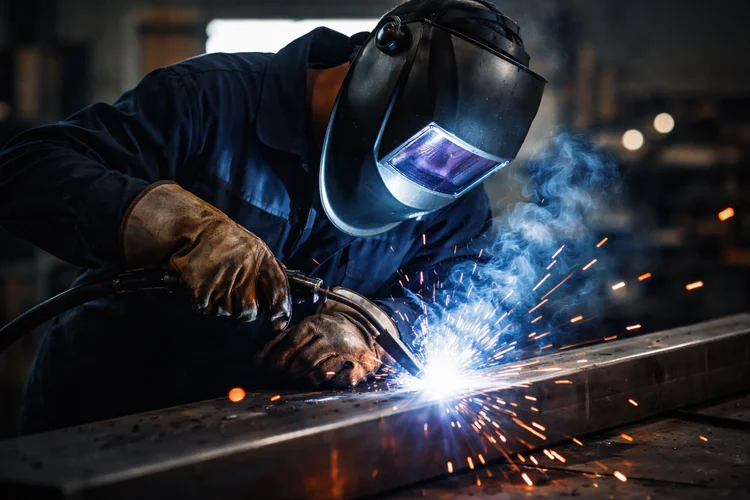
At their core, welding machines generate an electric arc or flame that produces intense heat, typically between 3,000 and 20,000 degrees Celsius. This heat melts the metal being joined, along with a filler material that helps form the weld. Different welding processes use various shielding methods to protect the molten metal from contamination by atmospheric gases like oxygen and nitrogen, which can weaken the weld.
Common Welding Applications in Construction and Industry
Welding is everywhere once you start looking for it. In construction, welders are used to fabricate steel frames, reinforce structures, and join pipework. On farms across the Hervey Bay region, welding keeps machinery running through repairs to equipment, gates, and sheds. In automotive work, welders handle everything from exhaust repairs to custom ute modifications. Commercial operations rely on welding for stainless steel installations, boat alterations, and structural metalwork that needs to last.
Shielded Metal Arc Welding (SMAW / Stick Welding)
Stick welding is one of the oldest and most versatile welding methods around. It’s the go-to choice for outdoor work, field repairs, and situations where you need a tough, reliable weld without fancy equipment.
How Stick Welders Operate
Stick welders use a consumable electrode coated in flux. When you strike an arc between the electrode and the base metal, the heat melts both the electrode and the metal. The flux coating burns away, creating a gas shield that protects the weld pool from contamination. As the electrode is consumed, it leaves behind a slag coating that you chip off once the weld cools.
Best Uses for Stick Welding
Stick welding excels in outdoor environments where wind would blow away the shielding gas used by other methods. It’s perfect for farm repairs, structural steel work, pipeline welding, and maintenance jobs where portability matters more than speed. The equipment is straightforward and can handle rusty or dirty metal better than most other processes.
Advantages and Limitations of Stick Welders
The main advantages are simplicity, portability, and the ability to work in challenging conditions. Stick welders are relatively inexpensive and can weld thick materials effectively. However, they’re slower than other methods, require more skill to produce clean welds, and create slag that needs removal. They’re also not ideal for thin materials or metals like aluminum.
Gas Metal Arc Welding (GMAW / MIG Welding)
MIG welding has become the workhorse of modern fabrication shops and is increasingly popular for mobile welding services thanks to its speed and ease of use.
How MIG Welders Work
MIG welders feed a continuous solid wire electrode through a welding gun while simultaneously releasing a shielding gas, typically a mix of argon and carbon dioxide. The wire melts and forms the weld as you move the gun along the joint. Because the wire feeds automatically, you can weld continuously without stopping to change electrodes.
Ideal Applications for MIG Welding
MIG welding shines in production environments where speed matters. It’s excellent for automotive work, sheet metal fabrication, and general steel repairs. The process works well on thin to medium thickness materials and produces clean welds with minimal cleanup. Many skilled welding operators prefer MIG for boat alterations and car modifications because of the control it offers.
Pros and Cons of MIG Welders
MIG welding is faster and easier to learn than stick welding, produces less spatter, and works well on a variety of metals including steel, stainless steel, and aluminum. The main drawbacks are that it requires shielding gas, which makes it less suitable for outdoor work in windy conditions, and the equipment is less portable than a stick welder. It also struggles with rusty or dirty metal.
Flux-Cored Arc Welding (FCAW)
Flux-cored welding bridges the gap between stick and MIG welding, offering some of the best features of both processes.
Differences Between FCAW and MIG Welding
While FCAW uses similar equipment to MIG welding, the wire is hollow and filled with flux instead of solid. This flux provides shielding as it burns, similar to stick welding. Some flux-cored wires are designed to work with additional shielding gas, while others are self-shielded and can operate without gas.
When to Use Flux-Cored Welders
Flux-cored welding is ideal for outdoor construction work, heavy fabrication, and repair jobs where you need the speed of MIG welding but can’t rely on shielding gas. It’s particularly good for welding thick materials and works well in windy conditions that would blow away the gas shield on a traditional MIG setup.
Benefits and Drawbacks of FCAW
The process combines high deposition rates with the ability to work outdoors, making it popular for structural steel work and field repairs. It penetrates deeply and works well on thick materials. However, it produces more smoke and fumes than MIG welding, creates slag that needs removal, and the wire is more expensive than solid MIG wire.
Gas Tungsten Arc Welding (GTAW / TIG Welding)
TIG welding is the precision tool of the welding world, producing the cleanest and most controlled welds possible.
How TIG Welding Works
TIG welders use a non-consumable tungsten electrode to create the arc. The welder manually feeds a filler rod into the weld pool with one hand while controlling the torch with the other. An inert gas, usually pure argon, shields the weld from contamination. The process requires significant skill and coordination but produces exceptional results.
Suitable Materials for TIG Welding
TIG welding works on virtually any metal, but it’s especially valued for stainless steel, aluminum, and exotic alloys. It’s the preferred method for stainless steel commercial splashbacks, food processing equipment, and anywhere appearance and quality are critical. The process can handle very thin materials that other methods would burn through.
TIG Welding Advantages and Challenges
The advantages include superior weld quality, excellent control, no spatter or slag, and the ability to weld dissimilar metals. It produces the strongest, cleanest welds possible. The challenges are speed – TIG welding is slow compared to other processes – and the skill required. It’s also not economical for thick materials and requires careful surface preparation.
Submerged Arc Welding (SAW)
Submerged arc welding is a specialized process used primarily in heavy industry and manufacturing.
How Submerged Arc Welding Functions
SAW uses a continuously fed wire electrode, but instead of a visible arc, the weld happens beneath a blanket of granular flux. The flux protects the weld pool and helps shape the weld bead. The process is typically automated, with the welding head moving along rails or mounted on a boom.
Industrial Applications of SAW
You’ll find SAW in shipbuilding, pressure vessel manufacturing, large pipe fabrication, and structural steel production. It’s designed for long, straight welds on thick materials where high deposition rates and quality are both critical. The process isn’t common in general machinery hire but is worth understanding if you’re involved in heavy fabrication.
Key Advantages and Limitations of SAW
SAW produces very high quality welds with deep penetration and high deposition rates. The flux blanket provides excellent shielding and allows higher welding currents without spatter. However, it’s limited to flat or horizontal positions, requires significant setup, and isn’t practical for field work or small jobs.
Plasma Arc Welding (PAW)
Plasma welding is a refined variant of TIG welding that offers even greater precision and control.
Plasma Welding vs TIG Welding
While similar to TIG welding, plasma welding constricts the arc through a small nozzle, creating a more focused, hotter plasma jet. This allows for deeper penetration and faster travel speeds than TIG welding. The plasma arc is more stable and less affected by variations in arc length.
Precision Applications of Plasma Welding
Plasma welding excels in aerospace, medical device manufacturing, and precision tube welding. It’s used when you need the quality of TIG welding but with better penetration and speed. The process can also be used for cutting, making it versatile for fabrication shops.
Pros and Cons of Plasma Arc Welders
The benefits include deeper penetration than TIG, higher welding speeds, better arc stability, and the ability to weld thicker materials in a single pass. The downsides are equipment cost, complexity, and the specialized skill required. It’s overkill for most general welding applications but invaluable in its niche.
Choosing the Right Type of Welder
Picking the right welder isn’t about finding the most expensive or advanced option – it’s about matching the equipment to what you’re actually trying to accomplish.
Matching the Welder to the Job Requirements
Start by considering what you’re welding. Small steel repairs around the farm might only need a simple stick welder, while boat alterations often benefit from the precision of MIG or TIG welding. Commercial projects with stainless steel splashbacks require TIG capabilities for a professional finish. If you’re doing repetitive production work, MIG or flux-cored welding will save hours compared to stick welding.
Material Thickness and Type Considerations
Thin sheet metal calls for MIG or TIG welding to avoid burn-through. Thick structural steel works well with stick or flux-cored welding. Stainless steel and aluminum typically need MIG or TIG welding, while cast iron repairs often require specialized techniques. The material type and thickness should be your first considerations when selecting a welding process.
Indoor vs Outdoor Welding Environments
Indoor work in a controlled environment opens up all options. Outdoors, especially in windy conditions, stick welding or self-shielded flux-cored welding are your reliable choices. MIG and TIG welding can work outdoors in calm conditions, but wind will blow away the shielding gas and ruin your welds. Consider where the work is happening and what conditions you’ll face.
Hiring Welders and Skilled Operators
Not every job justifies buying welding equipment or learning to weld yourself. Sometimes the smartest move is bringing in the right people with the right tools.
When to Consider Labour Hire for Welding Projects
If you’re facing a one-off welding job, don’t have the specialized equipment needed, or need the work done quickly and professionally, hiring experienced welders makes practical sense. Jobs like car and ute alterations, commercial stainless steel installations, or structural repairs benefit from the decades of experience that professional welders bring to the table.
Labor hire also makes sense when you need specific welding processes like TIG for stainless steel work or when the job requires certifications you don’t have. Rather than investing in equipment you’ll rarely use or risking a subpar result, bringing in professionals ensures the job gets done right the first time.
Get Professional Welding Support in Hervey Bay
At CJS Machinery Hire, we understand that welding projects come in all shapes and sizes. That’s why we offer access to skilled welding operators. Whether you need small steel repair jobs completed quickly, commercial welding for a business project, or specialized work like stainless steel commercial splashbacks, we’ve got the skills and equipment to deliver quality results.
Our welder can cover everything from boat alterations and car modifications to commercial installations and general steel fabrication. We work with a two-hour minimum to keep things flexible, and we’re based right here in Booral, Hervey Bay, so we understand the unique needs of local homeowners, farmers, and businesses.
Welding Services for Every Project
The welders we provide have tackled countless projects across the Hervey Bay and Maryborough regions. Small repairs that keep your machinery running, custom fabrication for unique applications, and professional installations that meet commercial standards – we approach every job with the same attention to quality and safety.
We know that downtime costs money, whether it’s farm equipment that needs repairs or a commercial project on a deadline. That’s why we focus on getting the work done efficiently without cutting corners on quality.
Don’t let welding jobs slow you down or settle for amateur results that won’t last. Whether you need a quick steel repair or a full commercial installation, our experienced team is ready to help.
Get in touch with CJS Machinery Hire today to discuss your welding project and get a straightforward quote. We’ll match you with the right skills and equipment to get the job done properly – no fuss, no delay. Let’s make that metalwork job easier with the right expertise on your side.
Related Posts
Post a Comment