
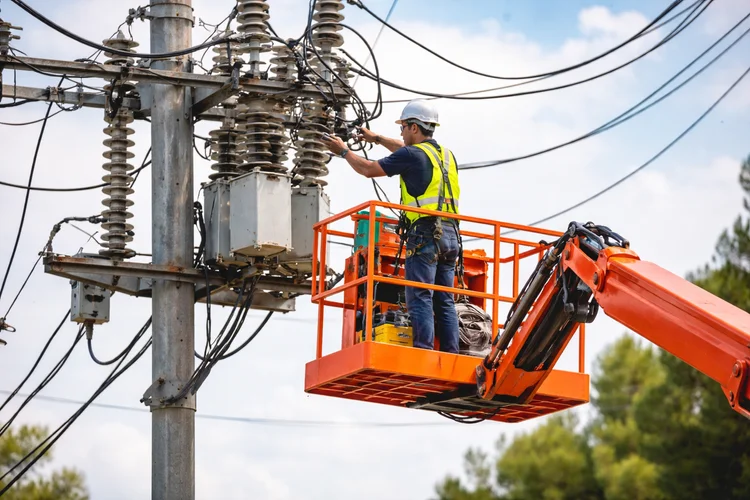
Electrical work at heights comes with unique challenges that demand the right equipment, careful planning, and strict safety protocols. Whether you’re installing outdoor lighting, repairing power lines, or setting up commercial electrical systems, choosing the wrong boom lift can turn a straightforward job into a costly and dangerous mistake.
At CJS Machinery Hire, we’ve seen firsthand how proper equipment selection makes all the difference for electricians and contractors working across Hervey Bay, Maryborough, and the surrounding Wide Bay region. From platform height miscalculations to overlooking electrical safety requirements, small oversights can lead to project delays, safety incidents, and unnecessary expenses.
This guide walks you through the ten most common mistakes people make when hiring boom lifts for electrical work — and more importantly, how to avoid them. Whether you’re a seasoned sparkie or tackling your first elevated electrical project, understanding these pitfalls will help you work smarter, safer, and more efficiently.
Why Choosing the Right Boom Lift Matters for Electrical Work
Getting the equipment right from the start isn’t just about convenience — it’s about protecting lives and ensuring your electrical project runs smoothly from start to finish.
The Risks of Working at Heights Around Electricity
Electrical work already carries inherent dangers, and adding elevation into the mix amplifies those risks significantly. Falls from height remain one of the leading causes of workplace injuries in Australia, and when you’re working near live power lines or high-voltage equipment, the margin for error disappears entirely. A standard boom lift that might be perfectly safe for painting or gutter cleaning could become a death trap when positioned too close to energised conductors.
Electricians face a dual hazard: the risk of falling from an unstable or inappropriate platform, and the risk of electrocution if the equipment comes into contact with live wires. Unlike other trades, you can’t afford to take shortcuts or make do with equipment that’s “close enough” to what you need.
How the Wrong Equipment Can Impact Safety and Efficiency
Hiring the wrong type of boom lift doesn’t just create safety hazards — it can grind your entire project to a halt. A telescopic boom lift might get you to the right height, but if you can’t maneuver around obstacles to reach the electrical panel, you’ve wasted time and money on the wrong machine. Similarly, a diesel-powered lift might be powerful, but if you’re working indoors or in an enclosed space, the fumes will make the job impossible.
Productivity suffers when you’re constantly repositioning equipment, struggling with inadequate reach, or working from an unstable platform. What should take a few hours can stretch into days, eating into your profit margins and frustrating your clients.
The Importance of Proper Planning Before Hiring
Most boom lift mistakes happen long before the equipment arrives on site — they happen during the planning phase. Too often, contractors make quick decisions based on price or availability rather than carefully assessing their actual requirements. Taking an extra hour to map out your site conditions, height requirements, and electrical safety needs can save you thousands in equipment changes, delays, and potential safety violations.
Proper planning means understanding not just what you’re installing or repairing, but where it’s located, what obstacles you’ll encounter, and what safety regulations apply to your specific job. It means measuring twice and hiring once.
Mistake #1: Hiring the Wrong Type of Boom Lift
Not all boom lifts are created equal, and choosing the wrong type for your electrical work can compromise both safety and job completion.
Differences Between Articulating and Telescopic Boom Lifts
Articulating boom lifts, often called knuckle booms, feature multiple joints that allow the arm to bend and navigate around obstacles. They’re ideal for electrical work that requires you to reach over buildings, around structures, or into tight spaces where a straight-line approach isn’t possible. If you’re installing security lighting on a building with overhangs or working on electrical systems near trees or other obstructions, an articulating boom gives you the flexibility you need.
Telescopic boom lifts, on the other hand, extend straight out and upward, offering maximum height and outward reach but with limited maneuverability. They’re excellent for straightforward vertical electrical work like streetlight maintenance or simple overhead installations where there are no obstacles between you and the work area.
When Electricians Need Insulated Boom Lifts
If your electrical work involves any proximity to live power lines or energised equipment, an insulated boom lift isn’t optional — it’s essential. These specialized lifts feature non-conductive materials in the boom sections and platform, creating a barrier between you and potential electrical hazards. Standard boom lifts conduct electricity, meaning contact with a live wire can electrocute not just the operator, but anyone touching the machine.
Safe Work Australia guidelines specify minimum approach distances for working near overhead power lines, but even with proper clearances, an insulated lift provides an extra layer of protection against accidental contact. For commercial electrical contractors working on power distribution, substation maintenance, or any job near high-voltage equipment, insulated booms are non-negotiable.
Choosing Between Electric and Diesel Models
Electric boom lifts run quietly, produce zero emissions, and are perfect for indoor electrical work or jobs in residential areas where noise restrictions apply. They’re also more maneuverable in tight spaces and typically have smaller footprints. However, they require charging and may have limited runtime depending on the battery capacity.
Diesel models offer more power and longer operating times, making them better suited for outdoor electrical projects with demanding terrain or extended work periods. They can handle rougher ground conditions and don’t need charging infrastructure. The trade-off is noise, emissions, and restrictions on where they can be used — you can’t run a diesel boom lift inside a building or in poorly ventilated areas.
Mistake #2: Underestimating Height and Reach Requirements
One of the most common and frustrating mistakes is hiring a boom lift that simply can’t reach the work area, forcing costly equipment swaps mid-project.
Understanding Working Height vs Platform Height
Many contractors make the critical error of confusing platform height with working height. Platform height is the maximum elevation of the boom lift’s basket, but your actual working height includes the operator’s reach above the platform. Most manufacturers calculate working height as platform height plus two meters, accounting for an average-height person reaching upward.
If you need to install electrical conduit at 12 meters, you don’t need a 12-meter platform height — you need a lift with a platform height of around 10 meters. However, this calculation assumes you can work standing at full extension, which isn’t always safe or practical. For precise electrical work requiring both hands and full control, you’ll want more platform height to work comfortably at chest or eye level rather than overhead.
Accounting for Obstacles and Restricted Access Areas
Height isn’t the only measurement that matters. Horizontal reach determines whether you can position the platform directly at your work area or if you’ll be stretching dangerously over the edge of the basket. Electrical installations often involve working around building features, trees, fences, or other structures that prevent you from positioning the lift base directly beneath the work zone.
Before hiring, measure not just the vertical height but the horizontal distance from the closest accessible position to your work area. Factor in setback requirements from power lines, obstacles that limit where you can position the base, and any overhead restrictions that might prevent the boom from extending fully.
Why Extra Reach Can Improve Safety and Productivity
While it might seem wasteful to hire a boom lift with more reach than you technically need, that extra capacity often translates to safer, more efficient work. A lift with additional reach means you can position the base further from hazards, work from the center of the platform rather than leaning over edges, and maintain safe clearances from live electrical equipment without straining to complete tasks.
Extra reach also gives you flexibility when site conditions change or when you discover additional electrical work that needs attention while you’re already elevated. The cost difference between a smaller and larger boom lift is usually minimal compared to the cost of scheduling a second hire or risking safety by overextending equipment.
Mistake #3: Ignoring Site Conditions and Terrain
Even the perfect boom lift for your electrical work becomes useless if it can’t operate safely on your specific job site.
Indoor vs Outdoor Job Site Considerations
Indoor electrical work presents unique challenges that outdoor sites don’t face. You need to verify ceiling heights, doorway widths, floor load capacity, and whether the surface can handle the weight distribution of a boom lift. Industrial facilities might have concrete floors rated for heavy machinery, but older commercial buildings or residential properties may have floor systems that can’t support concentrated loads.
Indoor work also demands electric-powered equipment to avoid carbon monoxide buildup, and you’ll need narrower, more compact models that can navigate through standard doorways and corridors. Rubber tires are essential to protect finished floors from damage. Don’t assume any boom lift will work indoors — verify dimensions and weight specifications against your building’s structural capacity.
Navigating Uneven or Rough Terrain Safely
Outdoor electrical jobs often involve ground conditions that standard boom lifts can’t handle. Rough terrain models feature four-wheel drive, higher ground clearance, and larger, more aggressive tires designed for construction sites, farmland, or uneven surfaces. If you’re installing rural electrical infrastructure, farm lighting systems, or working on commercial developments still under construction, standard smooth-terrain models will get stuck or tip.
Always inspect the site before hiring. Soft soil, gravel, mud, slopes, and uneven ground all require specialized equipment. Operating a standard boom lift on terrain it wasn’t designed for doesn’t just risk getting stuck — it creates dangerous instability that can lead to tip-overs, especially when the boom is extended.
Access Limitations and Tight Workspaces
Narrow driveways, gated areas, landscaped gardens, and tight urban alleys can all prevent boom lifts from reaching your work area. Before hiring, measure access routes including gates, pathways, and any bottlenecks between the unloading area and the job site. A boom lift that’s perfect for the electrical work but won’t fit through a 2-meter gate is worthless.
Consider transport width, turning radius, and whether the lift can fit through spaces when fully retracted. Some jobs might require a smaller, less capable machine simply because site access won’t accommodate larger equipment. In these cases, you might need to get creative with positioning or consider alternative access methods.
Mistake #4: Overlooking Electrical Safety Requirements
Electrical work at heights demands additional safety considerations that don’t apply to other trades.
Safe Working Distances from Live Power Lines
Australian electrical safety regulations mandate specific minimum approach distances based on voltage levels. For electrical workers, these distances start at 1 meter for voltages up to 33kV and increase substantially for higher voltages. However, these are minimums for qualified workers — the safe approach for boom lift operation often requires even greater clearances to account for equipment swing, boom deflection, and unexpected movements.
Before positioning any boom lift near electrical infrastructure, identify all power lines in the work area, determine their voltage if possible, and establish exclusion zones. Remember that power lines can sag under load or high temperatures, and wind can cause conductors to swing, reducing clearances unexpectedly.
Importance of Insulated Equipment
We mentioned insulated boom lifts earlier, but this point bears repeating: when working around energised electrical equipment, insulation can be the difference between going home safely and going to hospital. Insulated booms are tested and rated for specific voltage levels, providing a protective barrier if accidental contact occurs.
However, insulation doesn’t make you invincible. Insulated equipment is a backup safety measure, not a license to work closer to live wires. Maintain proper clearances, follow lockout-tagout procedures when possible, and treat all power lines as energised unless you’ve personally verified they’re dead and grounded.
Using Proper PPE for Electrical Work at Heights
Fall protection equipment is mandatory when working from boom lifts, but electrical work requires additional personal protective equipment. Insulated gloves rated for the voltage you’re working with, electrical-rated safety boots, arc-rated clothing for work on energised systems, and proper head protection all form part of your safety system.
Don’t forget that standard fall protection harnesses and lanyards can conduct electricity. If you’re working near live conductors, ensure your fall arrest equipment is compatible with electrical work or use insulated options. Your PPE works in conjunction with equipment safety features — both are necessary, neither is sufficient alone.
Mistake #5: Not Checking Licensing and Compliance Requirements
Operating a boom lift legally and safely requires proper licensing and adherence to Australian workplace safety regulations.
EWP Licence Requirements in Australia (11m and Above)
In Queensland and across Australia, operating an elevating work platform with a boom length of 11 meters or more requires a High Risk Work Licence for WP (Workbox or Platform) class. This isn’t optional or subject to interpretation — it’s a legal requirement backed by significant penalties for non-compliance.
The licensing requirement exists because boom lifts above 11 meters present substantially greater risks, including increased tip-over danger, more severe consequences from falls, and more complex operation. Even if you’re an experienced electrician, you can’t legally operate larger boom lifts without the proper EWP licence. Factor in licensing costs and training time when planning your electrical project, or hire licensed operators to run the equipment while you focus on the electrical work.
The Role of High Risk Work Licences
High Risk Work Licences aren’t just about knowing which buttons to push — they demonstrate competency in pre-operation inspections, understanding load charts, recognizing hazardous conditions, and responding to emergencies. The training covers stability factors, safe operating procedures, and the specific risks associated with elevated work platforms.
For electrical contractors, holding the proper licence means you can respond quickly to job opportunities without depending on equipment hire companies to provide operators. It also gives you better understanding of equipment limitations and capabilities, helping you make smarter hiring decisions.
Ensuring Compliance with Safe Work Australia Standards
Beyond licensing, electrical work from boom lifts must comply with Safe Work Australia codes of practice for managing electrical risks, working at heights, and operating elevated work platforms. This includes conducting risk assessments, implementing control measures, maintaining equipment properly, and ensuring all workers understand safe operating procedures.
For commercial electrical contractors, compliance extends to documenting your safety procedures, training records, equipment maintenance logs, and incident reporting. Hiring from reputable companies like CJS Machinery Hire ensures the equipment itself meets safety standards, but operational compliance remains your responsibility as the operator or site supervisor.
Mistake #6: Skipping Pre-Use Inspections and Safety Checks
Even well-maintained boom lifts can develop faults, and operating defective equipment is one of the fastest ways to turn a routine electrical job into a disaster.
Daily Inspection Checklist for Boom Lifts
Before starting work each day, conduct a thorough inspection covering all major systems. Check hydraulic hoses for leaks, cracks, or damage. Inspect all structural components for cracks, deformation, or signs of stress. Test all controls in both platform and ground positions to ensure they respond correctly. Verify emergency systems including lowering functions and emergency stop buttons.
For electrical work specifically, inspect the platform for secure footing, check that all safety rails and gates function properly, and ensure the harness attachment points are secure and undamaged. Test the platform’s weight sensor if equipped, and verify that safety alarms and limit switches operate correctly. A ten-minute inspection can prevent hours of downtime or a serious injury.
Identifying Faults Before Operation
Small problems have a way of becoming big problems when you’re 15 meters in the air. A slightly sticky control valve might seem minor on the ground, but mid-operation it could cause jerky movements that throw you off balance while handling electrical equipment. A small hydraulic leak might seem manageable until pressure drops and you’re stranded at height.
Never dismiss minor faults or unusual sounds as “probably nothing.” If something doesn’t feel right during your inspection, don’t operate the equipment. Contact your hire provider immediately to report the issue and arrange for repairs or replacement equipment. Reputable companies would rather swap out a machine than have you operate faulty equipment.
Why Well-Maintained Equipment Matters
This is where choosing your hire company carefully pays off. Well-maintained boom lifts from established providers like CJS Machinery Hire undergo regular servicing, safety inspections, and component replacement before issues become failures. Cheaper hire companies might cut corners on maintenance to reduce costs, leaving you with unreliable equipment that breaks down mid-job.
Ask potential hire companies about their maintenance schedules, inspection records, and what happens if equipment fails during your hire period. Good companies stand behind their equipment and will quickly replace any machine that develops problems. When you’re working with electricity at heights, equipment reliability isn’t a luxury — it’s essential.
Mistake #7: Overloading the Boom Lift Platform
Every boom lift has a maximum platform capacity, and exceeding it can have catastrophic consequences.
Understanding Load Capacity Limits
Platform capacity ratings include everything on the platform: the operator, all tools and equipment, electrical materials, and any other items. Typical boom lift capacities range from 200kg to 450kg depending on the model and size, but these limits aren’t suggestions — they’re absolute maximums that account for the structural capacity and stability of the machine.
Load capacity often decreases as the boom extends or elevates, particularly on smaller models. Check the load chart specific to your hired machine, and understand how capacity changes with boom position. What’s safe at minimum extension might cause a tip-over at full extension.
Factoring in Tools and Equipment Weight
Electrical work often requires substantial equipment: cable reels, conduit benders, tool bags, testing equipment, and materials can add up quickly. Before loading the platform, weigh your gear or at least estimate conservatively. A typical electrician’s tool bag alone can weigh 15-20kg, and when you add cable, fittings, and testing equipment, you might be carrying 50kg or more before you even step on the platform.
If you’re working with a partner, factor in both workers’ weights plus gear. Two electricians with full tool loadouts can easily approach or exceed the capacity of smaller boom lifts before adding any materials. Plan accordingly and choose equipment rated for your actual working load, not best-case scenarios.
Risks of Exceeding Manufacturer Guidelines
Overloading doesn’t just risk equipment damage — it fundamentally changes the machine’s stability. Boom lifts are engineered with specific counterweight and stability calculations based on maximum rated loads. Exceeding these limits shifts the center of gravity, increasing tip-over risk especially on slopes or uneven ground.
Some modern boom lifts include load sensors that prevent operation when overloaded, but don’t rely on safety systems to compensate for poor planning. Calculate your loads beforehand, stay well within rated capacities, and make multiple trips if necessary rather than overloading the platform.
Mistake #8: Failing to Consider Weather and Environmental Conditions
Queensland weather can change quickly, and conditions that were safe in the morning can become hazardous by afternoon.
Working Safely in Windy Conditions
Wind affects boom lifts dramatically, especially when fully extended. Most manufacturers specify maximum wind speeds for safe operation, typically around 12.5 meters per second (about 45 km/h). At these speeds, the platform can sway significantly, making precise electrical work difficult and dangerous.
Coastal areas around Hervey Bay often experience stronger winds, particularly during summer storms. Check the forecast before starting work, and be prepared to lower the boom and cease work if winds pick up. Wind speed at height is often significantly higher than ground-level winds, so if it feels breezy on the ground, it’s probably dangerous at working height.
Electrical Hazards in Wet Weather
Electricity and water are a deadly combination. Working on electrical systems during rain or when equipment is wet substantially increases electrocution risk. Even light drizzle can create conductive paths on equipment surfaces, and wet platforms become slippery, increasing fall risks.
If possible, schedule outdoor electrical work for clear weather. If you must work in damp conditions, ensure all equipment is properly rated for wet environments, wear appropriate waterproof PPE, and take extra precautions with any energised systems. Consider whether the work can be delayed safely or if temporary weather protection can be installed.
Temperature and Visibility Factors
Extreme heat affects both equipment performance and operator capability. High temperatures can reduce hydraulic system efficiency, and working in direct sun at height increases dehydration and heat stress risks. Start early in summer to avoid peak temperatures, take regular breaks, and stay hydrated.
Poor visibility from fog, heavy rain, or working at dawn or dusk creates obvious hazards when working at heights around electrical equipment. Ensure adequate lighting for all electrical work, and don’t compromise visibility to meet deadlines. The few hours saved aren’t worth the risks.
Mistake #9: Choosing Price Over Quality and Reliability
When you’re juggling project costs, it’s tempting to go with the cheapest boom lift hire quote, but this decision often backfires.
Hidden Costs of Cheap Boom Lift Hire
That suspiciously low daily rate might not include delivery, pick-up, insurance, or damage waiver fees. You might discover mandatory add-ons that bring the actual cost above competitors who were transparent about pricing upfront. Worse, budget hire companies sometimes operate older equipment that’s more prone to breakdowns, costing you lost productivity and deadline pressure.
Equipment failure mid-job means calling for repairs or replacement, waiting for service, and potentially paying for downtime while you can’t work. A slightly higher hire rate from a reliable provider often proves cheaper overall when you factor in consistent operation and fewer delays.
Importance of Reliable, Well-Serviced Equipment
For electrical work, equipment reliability isn’t just about convenience — it’s about safety. A boom lift that develops hydraulic problems while you’re working near live power lines creates immediate danger. Electrical failures in the lift’s control systems could leave you stranded at height, unable to safely lower the platform.
Established hire companies maintain their equipment properly because their reputation depends on it. They conduct regular services, replace worn components before they fail, and keep detailed maintenance records. When you hire from these providers, you’re paying for reliability, not just equipment access.
Value of Expert Support and Advice
Reputable machinery hire companies employ experienced staff who can help you select the right equipment for your specific electrical job. They’ll ask about your site conditions, height requirements, and electrical safety needs before recommending equipment. This expertise prevents costly mistakes like hiring equipment that won’t fit through your site access or lacks the reach you need.
Budget operators often lack this expertise, leaving you to figure out specifications yourself. If you choose incorrectly, you’ve wasted money on unsuitable equipment and still need to hire the right machine. Good advice at the front end saves time, money, and frustration throughout your project.
Mistake #10: Not Hiring from a Reputable Equipment Provider
Your choice of hire company affects every aspect of your project from planning through completion.
Benefits of Hiring from Experienced Machinery Hire Companies
Established providers understand the equipment intimately and can troubleshoot issues quickly if problems arise. They maintain relationships with manufacturers for parts and technical support, reducing downtime if repairs are needed. They’re also more likely to have backup equipment available if a machine does fail, minimizing impact on your schedule.
Experience also means better understanding of insurance, licensing requirements, and safety compliance. Reputable companies won’t hire equipment to unlicensed operators, protecting both you and themselves from legal liability. They’ll verify your credentials and ensure you understand safe operating procedures before releasing equipment.
Access to the Right Equipment for Electrical Work
Not every hire company maintains specialized equipment like insulated boom lifts or models specifically suited to electrical work. Cherry picker hire from specialized providers ensures access to equipment designed for your exact requirements rather than making do with general-purpose machinery.
Local providers who understand the Wide Bay region know the typical electrical work requirements in the area. They stock equipment that matches local job types, building styles, and site conditions. This local expertise helps ensure you get equipment that actually suits Hervey Bay and Maryborough electrical projects.
Support, Delivery, and Flexible Hire Options
Flexible hire periods, reliable delivery and pick-up, and responsive support all make your job easier. Need the equipment for an extra day because weather delayed you? A good hire company works with you rather than penalizing you with excessive fees. Equipment develops a problem? They respond quickly with solutions.
Delivery and pick-up services save you time and logistics headaches. Instead of organizing transport, coordinating drivers, and dealing with equipment movement yourself, the hire company handles it. For electrical contractors juggling multiple jobs, this service is worth the modest delivery fee.
How to Choose the Right Boom Lift for Electrical Jobs
Making the right equipment choice starts with understanding your specific project requirements and asking the right questions.
Matching Equipment to Project Requirements
Start by creating a detailed assessment of your electrical work. Document the maximum height you need to reach, the horizontal distance from accessible ground to work areas, and any obstacles between. Identify all electrical hazards including power lines, voltage levels, and required clearances. Note site access restrictions, ground conditions, and whether you’re working indoors or outdoors.
Use this information to narrow down equipment types. If you need to work around obstacles, you need articulation. If you’re near live power, you need insulation. If you’re indoors, you need electric power. Match each requirement to equipment capabilities rather than trying to make general-purpose equipment work for specialized needs.
Asking the Right Questions Before Hiring
When contacting hire companies, be specific about your electrical application. Ask about insulation ratings if working near power lines. Confirm platform capacity and whether it changes with boom extension. Verify actual working heights versus platform heights. Get clarity on what’s included in the hire rate and what costs extra.
Ask about the equipment’s age, maintenance history, and what happens if it breaks down during your hire. Find out about operator support if you’re unfamiliar with the specific model. Confirm licensing requirements and whether the company verifies credentials. Don’t assume — ask everything upfront to avoid surprises later.
Getting Expert Recommendations
Describe your electrical project in detail and ask the hire company what they’d recommend and why. Experienced providers can often suggest equipment you haven’t considered that might be better suited to your needs. They might point out potential issues with your plan or offer solutions to challenges you’ve identified.
Good hire companies want you to succeed because satisfied customers return and refer others. Take advantage of their expertise rather than treating them as just equipment suppliers. The best electrical contractors build relationships with reliable hire providers who understand their work and support their success.
Your Trusted Partner for Boom Lift Hire in Hervey Bay
When it comes to electrical work at heights, having the right equipment from a reliable local provider makes all the difference. At CJS Machinery Hire, we’ve built our reputation on providing safe, well-maintained boom lifts and cherry pickers backed by honest advice and responsive service.
As a family-owned business based right here in Booral, we understand the unique requirements of electrical work across the Hervey Bay and Maryborough regions. Our team brings over 25 years of construction and machinery experience, and we’re here to help you choose the right equipment for your specific job — whether it’s installing commercial electrical systems, maintaining power infrastructure, or upgrading outdoor lighting.
We maintain our equipment to the highest standards because we know that for electricians working at heights around live power, reliability isn’t negotiable. Our boom lifts undergo regular servicing and safety inspections, and we stand behind our equipment with responsive support if any issues arise.
What Sets CJS Machinery Hire Apart
We offer flexible hire periods with competitive daily rates that get even better for repeat customers. Need the equipment delivered? We provide free pick-up or can drop the boom lift directly to your site for $180. We’ll give you a thorough rundown on safe operation and ensure you’re comfortable with the equipment before you start work.
All we need from you is a valid EWP licence (for equipment requiring it), photo ID, and credit card details. We’ll verify your credentials, discuss your electrical project requirements, and make sure you have the right equipment for safe, efficient completion.
Whether you’re a licensed electrician, electrical contractor, or facilities manager planning maintenance work, we’re here to make your job easier with the right tools and genuine local support. No fuss, no delays — just quality machinery and service you can count on.
Ready to hire a boom lift for your electrical project? Get in touch with CJS Machinery Hire today to discuss your requirements, check availability, or ask about our current hire specials. Let’s make sure you have the right equipment to get the job done safely and efficiently — the first time.
Related Posts
Post a Comment