
Loading and unloading a tipper truck might seem straightforward, but one wrong move can lead to serious accidents, costly damage, or project delays. Whether you’re working on a construction site in Hervey Bay, moving materials across a farm in Maryborough, or tackling earthmoving projects around the Fraser Coast, understanding the common pitfalls can make all the difference between a smooth operation and a dangerous situation.
At CJS Machinery Hire, we’ve seen it all over our 25 years in the industry. From overloaded trays to poor dumping techniques, many operators make the same mistakes that could easily be avoided with proper knowledge and preparation. This guide will walk you through the most common errors and show you how to keep your job site safe, efficient, and compliant.
Introduction to Tipper Truck Safety
Importance of Proper Loading and Unloading
Safe tipper truck operation isn’t just about ticking boxes on a safety checklist. It’s about protecting lives, preventing equipment damage, and keeping your project on schedule. When loading and unloading are done correctly, you minimize the risk of accidents, reduce wear and tear on machinery, and ensure everyone on site goes home safely at the end of the day.
For operators and contractors across Queensland, the stakes are high. A single mistake can result in injury, damage to expensive equipment, project delays, and even legal consequences. Understanding what a tipper truck is and how it works is the first step toward safe operation, but knowing what not to do is just as important.
Overview of Common Tipper Truck Mistakes
The most frequent errors in tipper truck operations often come down to rushing the job or cutting corners on safety procedures. From exceeding weight limits to dumping on unstable ground, these mistakes can turn a routine task into a disaster. Many of these errors happen because operators either lack proper training or have developed bad habits over time.
The good news? Most accidents are preventable. By recognizing these common mistakes and implementing proper procedures, you can dramatically reduce the risk of downtime, damage, and dangerous situations on your job site.
Overloading the Tipper Truck
Consequences of Overloading
Overloading is one of the most common and dangerous mistakes operators make. When you exceed your truck’s capacity, you’re not just risking mechanical failure – you’re putting yourself and everyone around you in danger. The extra weight puts enormous strain on the truck’s suspension, brakes, transmission, and hydraulic system. This can lead to blown tires, brake failure, or even structural damage to the chassis.
In Australia, there are strict legal limits on vehicle weights, and breaching these can result in hefty fines, demerit points, and potential prosecution. The National Heavy Vehicle Regulator enforces weight restrictions that apply to tipper trucks operating on Queensland roads. If you’re caught overloading, you could face penalties that far exceed any time or money you thought you were saving.
Beyond the legal consequences, an overloaded tipper truck is unpredictable and difficult to control. The extra weight affects braking distance, steering responsiveness, and stability, especially on slopes or uneven terrain. It’s simply not worth the risk.
Tips to Avoid Overloading
The first step in preventing overloading is knowing your truck’s limits. Before you start loading, make sure you understand the maximum payload capacity of your specific vehicle. Different tipper trucks have different weight ratings, so what works for one might not work for another. If you’re unsure about what capacity size tipper truck you need for your project, it’s worth getting expert advice before you start.
Using calibrated load scales or weighbridge facilities is the most accurate way to ensure you’re staying within legal limits. Many operators try to estimate weight by eye, but this is unreliable and dangerous. Materials like wet soil or gravel can be deceptively heavy, and even experienced operators can misjudge loads.
Proper distribution of materials is also crucial. Even if your total weight is within limits, concentrating the load in one area can create dangerous imbalances. Spread materials evenly across the tray, and avoid piling loads too high, which raises the center of gravity and increases rollover risk.
Uneven Load Distribution
Dangers of Uneven Loads
An unevenly distributed load is a recipe for disaster. When weight is concentrated on one side or at one end of the tipper tray, the truck becomes unstable and difficult to handle. This can lead to tipping, especially when turning corners or traveling over uneven ground. Even at low speeds, an unbalanced load can cause the truck to lean dangerously or lose traction.
The mechanical consequences are equally serious. Uneven loads place excessive stress on one side of the suspension system, leading to premature wear on springs, shock absorbers, and tires. You might find one set of tires wearing out much faster than the other, or develop costly suspension damage that could have been easily prevented.
Best Practices for Even Loading
The key to even loading is taking your time and being methodical. When loading materials like soil, sand, or gravel, work systematically across the entire tray rather than dumping everything in one spot. If you’re using an excavator or loader, make multiple passes to build up the load gradually and evenly.
For larger projects, using skilled machinery operators who understand load balancing is essential. At CJS Machinery Hire, we can provide guidance on proper loading techniques if you’re new to operating tipper trucks. Simple tools like a rake or shovel can help you redistribute materials once they’re in the tray, ensuring everything is level before you hit the road.
Always check your load from multiple angles before moving the truck. Walk around the vehicle and look for any obvious high spots or areas where the load has shifted to one side. A few minutes spent checking and adjusting can save you hours of downtime and thousands in repair costs.
Ignoring Ground Conditions
Risks of Loading on Unstable Surfaces
Ground conditions are often overlooked, but they’re critical to safe tipper truck operation. Loading or unloading on soft, muddy, or sloped ground can lead to the truck sinking, bogging down, or even tipping over. The weight of a loaded tipper – sometimes up to 9 tonnes or more – requires solid, stable ground to support it safely.
Environmental factors play a huge role here. After heavy rain, ground that seemed firm yesterday might be dangerously soft today. Wet clay, sandy soil, and freshly disturbed earth can all give way under the weight of a loaded truck. Slopes are particularly hazardous, as they increase the risk of the truck sliding sideways or tipping when the load shifts.
How to Assess Ground Conditions
Before you start loading or unloading, take a few minutes to inspect the ground conditions. Walk the area and look for soft spots, standing water, or recent disturbance. If the ground feels spongy or your boots sink in, it’s probably not suitable for a loaded tipper truck.
For questionable ground conditions, there are steps you can take to improve stability. Laying down timber mats, steel plates, or crushed rock can create a firmer surface. Make sure the ground is as level as possible – even a slight slope can become dangerous when you’re dealing with heavy loads.
If you’re working on a site with variable ground conditions, plan your loading and unloading points carefully. Choose the firmest, most level areas available, and avoid positioning your truck near the edge of excavations, embankments, or other drop-offs.
Operating Without Proper Safety Checks
Pre-Operation Safety Checks
Every time you use a tipper truck, you should conduct a thorough pre-operation inspection. This isn’t just good practice – it’s a legal requirement under workplace health and safety regulations. Check the brakes to ensure they’re responsive and not worn. Test the hydraulic system to make sure the tipper tray operates smoothly and doesn’t have any leaks.
Lights and indicators need to be working properly, especially if you’ll be operating on public roads or in low-light conditions. Inspect the tipper tray itself for any cracks, bent sections, or signs of wear. Make sure the tailgate opens and closes properly and that all latches and locks are functioning correctly.
Don’t forget the basics like tire pressure and tread depth. Under-inflated or worn tires are more likely to fail under heavy loads, and the consequences can be catastrophic. A quick walk-around inspection only takes a few minutes but can identify problems before they become dangerous.
Consequences of Skipping Checks
Skipping pre-operation checks might save you five minutes, but it could cost you much more in the long run. Mechanical failures during operation put everyone on site at risk. A hydraulic failure while the tray is raised could cause the load to drop suddenly, potentially crushing anyone nearby. Brake failure on a loaded truck can lead to collisions with other vehicles, equipment, or structures.
From a legal standpoint, operating a vehicle without proper safety checks can result in serious penalties. If an accident occurs and investigations reveal that basic safety procedures weren’t followed, you could face prosecution under workplace health and safety laws. Your insurance may also be invalidated if you can’t demonstrate that proper checks were conducted.
Beyond the legal risks, equipment downtime from preventable mechanical failures can derail your entire project schedule. Regular safety checks help you catch small problems before they become major breakdowns.
Poor Communication on Site
Importance of Clear Signaling
Job sites can be noisy, chaotic environments where multiple pieces of machinery and workers are operating simultaneously. Clear communication isn’t optional – it’s essential for safety. When loading or unloading a tipper truck, everyone involved needs to know exactly what’s happening and when.
Two-way radios are invaluable for maintaining communication between operators, spotters, and ground crew. In situations where radios aren’t practical, standardized hand signals should be used. Everyone on site should understand these signals and use them consistently. Never rely on shouting or informal gestures that might be misunderstood.
How Miscommunication Leads to Accidents
Poor communication is a factor in countless workplace accidents. When a loader operator doesn’t clearly signal before dumping material into the tipper tray, someone could be struck by falling debris. When a tipper truck driver starts moving without confirming everyone is clear, people can be run over or crushed.
Miscommunication also leads to efficiency losses. If the truck driver and loader operator aren’t coordinating properly, you’ll waste time repositioning vehicles, making multiple passes, or fixing mistakes. This turns a simple loading job into a frustrating ordeal that eats into your project timeline.
Establish clear protocols before work begins. Make sure everyone knows who’s in charge of directing operations and ensure all workers understand the communication methods being used. A brief site briefing at the start of each day can prevent confusion and keep everyone safe.
Improper Dumping Techniques
Common Dumping Errors
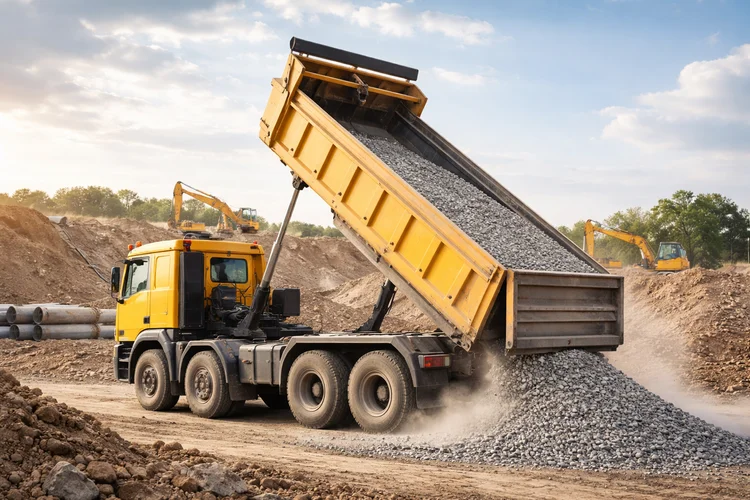
Dumping might seem like the simplest part of operating a tipper truck, but it’s where many serious accidents occur. One of the most dangerous mistakes is dumping on sloped or uneven ground. When the tray is raised on a slope, the truck’s center of gravity shifts dramatically, increasing the risk of rollover. Even a gentle slope can become deadly when you’re dealing with a raised tipper tray.
Overextending the tipper tray is another common error. Some operators try to reach further by raising the tray higher than necessary or backing up with the tray partially raised. This creates an unstable situation where the truck can tip backward, especially if the ground gives way under the rear wheels.
Failing to check for overhead obstacles is surprisingly common. Power lines, tree branches, and structures can all interfere with a raised tipper tray. Contact with overhead power lines is particularly dangerous and can be fatal.
Safe Dumping Practices
Safe dumping starts with proper positioning. Always ensure your truck is on level, stable ground before raising the tipper tray. If you need to dump on a slope, position the truck so it’s facing directly up or down the slope, never sideways. Even then, extreme caution is required, and in many cases, it’s better to find an alternative location.
Before raising the tray, do a complete check of your surroundings. Look up to identify any overhead hazards. Look around to ensure no workers, vehicles, or equipment are in the drop zone. Make sure the area where you’re dumping can safely contain the material without creating new hazards.
Operate the hydraulic controls smoothly and deliberately. Rapid movements can cause the truck to rock or shift unexpectedly. When considering a 9 tonne tipper truck or larger, remember that the bigger the load, the more critical smooth operation becomes.
Once you’ve finished dumping, lower the tray completely before moving the truck. Never drive with a partially raised tray, even for short distances. This simple rule prevents countless accidents every year.
Lack of Operator Training
Importance of Skilled Operators
Operating a tipper truck safely requires knowledge, experience, and proper training. While the basic operation might seem simple, there are numerous subtleties that only come with proper instruction and practice. Skilled operators understand how to assess ground conditions, distribute loads properly, and respond to unexpected situations.
Untrained or inexperienced operators are more likely to make critical errors that lead to accidents. They might not recognize warning signs of mechanical problems, they could misjudge load weights or distribution, and they might not know how to handle the truck safely in challenging conditions. The human factor is often the difference between a safe job and a catastrophic accident.
Compliance with industry standards and workplace regulations requires that operators have appropriate training and licensing. In Queensland, you need a valid machinery license to operate a tipper truck, and employers have a legal obligation to ensure their workers are properly trained and competent.
Training Tips
If you’re new to operating tipper trucks, seek out accredited training courses that cover both theoretical knowledge and practical skills. Look for courses that include hands-on operation under supervision, as this is where you’ll develop the feel for the equipment and learn to handle real-world situations.
For experienced operators, ongoing training is still valuable. Industry standards and safety regulations evolve, and refresher courses can help you stay current with best practices. On-site mentorship programs, where experienced operators guide newer team members, can be extremely effective in passing on practical knowledge.
At CJS Machinery Hire, we provide operational rundowns for customers who are hiring tipper trucks for the first time. While this doesn’t replace formal training, it ensures you understand the specific machine you’re working with and how to operate it safely.
Reliable Tipper Truck Hire in Hervey Bay and Maryborough
Why Choose CJS Machinery Hire for Your Next Project
When you need dependable equipment and straight-forward service, CJS Machinery Hire delivers. As a family-owned business based in Booral, we’ve built our reputation on providing well-maintained machinery and honest advice to contractors, farmers, and homeowners across the Fraser Coast region.
Our tipper truck hire service gives you access to reliable equipment without the overhead of ownership. Whether you need a truck for a day, a week, or longer, we offer flexible rental periods that work around your project timeline, not the other way around.
What Sets Our Service Apart
We make hiring easy with free pick-up from our Booral location, or we can arrange delivery for $180 if that’s more convenient for your schedule. Our daily rates are competitive, and we offer even better pricing for repeat customers who trust us with their ongoing equipment needs.
Our tipper trucks are thoroughly maintained and inspected before each hire to ensure they’re ready to work safely and efficiently. We’ll walk you through the operation of the equipment and provide the safety guidance you need to get started with confidence.
With over 25 years of experience in construction and earthmoving, we understand the challenges you face on the job. We’re not just renting you a truck – we’re providing the equipment and support you need to complete your project safely and on time.
Ready to tackle your next earthmoving or material transport project? Don’t let equipment concerns hold you back. Contact CJS Machinery Hire today to discuss your tipper truck hire needs and reserve the right equipment for your job.
Whether you’re working on a home renovation, farm project, or commercial construction site around Hervey Bay and Maryborough, we’ve got the machinery and local expertise to help you get it done right. Give us a call or visit our website to check availability and current specials – let’s get your project moving safely and efficiently.
Related Posts

Post a Comment