
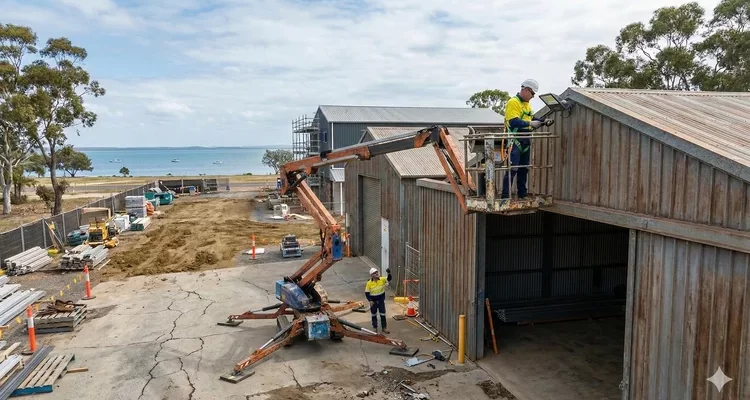
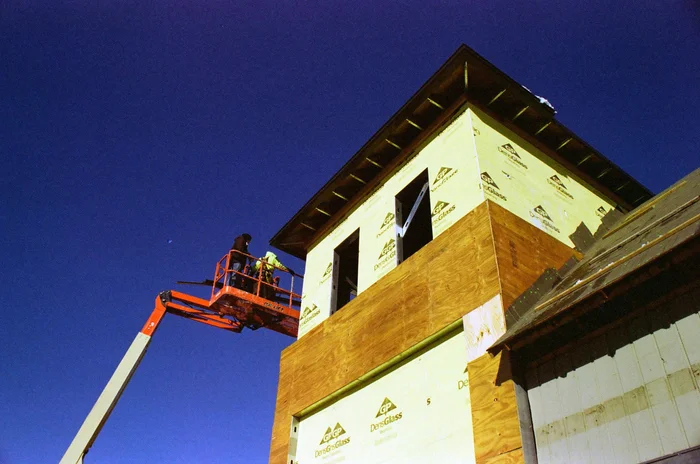
Working at heights comes with inherent risks, but using a boom lift (also known as an aerial work platform or cherry picker) can make many jobs safer and easier. However, safe operation is key.
Whether you’re a DIY homeowner trimming trees, a contractor on a build site, or a farmer maintaining fencing, following these boom lift safety best practices will help ensure the job gets done without accidents.
CJS Machinery Hire, your local experts in machinery hire, recommends these tips to keep everyone safe and projects on track.
Ensure the Area Around the Boom Lift is Clear Before Use
Before moving or extending the boom lift, clear the worksite of obstacles and hazards. Inspect the ground – it should be level and firm – and remove debris, tools, and uneven objects that could trip workers or damage equipment. Keep pedestrians, vehicles, and overhead obstructions at a safe distance from the lift’s base. For example, Safe Work Australia emphasizes considering fixed structures like overhead electric lines, trees, and other vehicles when planning EWP (Elevating Work Platform) tasks.
- Remove debris, tools, and loose materials from the lift’s path.
- Stabilize the ground: avoid slopes, ditches or soft spots under the outriggers.
- Set up barriers or warning signs to keep people out of the swing zone around the lift.
By keeping the area around the boom lift free of hazards, you reduce the risk of collisions, trips, or tip-overs before you even start.
Wear the Right Personal Protective Equipment (PPE) and Safety Gear
Always wear proper PPE when operating or riding in a boom lift. Essential safety gear includes a full-body safety harness tethered to the lift’s anchor point, a hard hat, a high-visibility (hi-vis) vest, and non-slip rubber-soled boots. This gear protects you from falls and makes you visible on site.
Essential PPE items include:
- Full-body harness: Attach the lanyard to the lift’s designated anchor point before you raise the platform.
- Helmet (hard hat): Protects your head from falling objects or bumps.
- Hi-Vis vest: Makes the operator easy to see by other machinery operators and workers.
- Non-slip boots: Rubber-soled shoes improve your grip on the basket floor.
Never board the lift without this gear. Always double-check your harness is fastened and lanyard is connected before activating the controls.
Ensure Operators Are Properly Trained and Licensed
Boom lifts must be operated by competent, trained individuals. In Australia, anyone using a boom-type elevating work platform (11 m or longer) needs a High Risk Work Licence for EWPs.
Even for shorter lifts, ensure the operator has completed a recognised training course or induction on the specific equipment. Never allow an untrained person to use the machinery.
Good practice is to review safety instructions each time; for instance, a quick toolbox talk can refresh the operator’s knowledge. Key training points include understanding the controls, emergency procedures, and site-specific hazards.
- Verify each operator holds the required licence or certificate (e.g. a current EWP license as per local regulations).
- Confirm they have completed an accredited boom-lift training program.
- Review the manufacturer’s operating manual and site safety rules with them.
By enforcing proper training and licensing, you ensure the lift is used safely and in compliance with Occupational Health and Safety (OHS) regulations.
Never Exceed the Weight Capacity of the Boom Lift Basket
Always respect the weight limits marked on the boom lift. Overloading the basket – including tools and materials – dramatically increases the risk of tipping or equipment failure. Each boom lift has a data plate or load chart showing its maximum platform capacity. Make a habit of calculating the total weight before use (operator(s) + gear). If you need to lift heavy equipment, use a machine rated for that load.
Key points:
- Check the lift’s data plate for maximum basket weight (this includes people and all equipment). Do not exceed this limit.
- Consider the reach/height: the further extended the boom, the lower the safe load capacity. Always follow the load chart for the current configuration.
- Never put more workers in the basket than recommended, and never lift material beyond rated capacity.
Exceeding the weight limit can cause sudden imbalance and tip-over. Stick to the limits to keep the platform stable.
Conduct a Thorough Pre-Use Inspection of the Boom Lift
Before using the boom lift each day (or after moving it), perform a quick walkaround inspection. Check all components and safety devices so potential issues are caught early. Important items to inspect include:
- Tires and wheels: Look for debris, proper inflation, and no damage.
- Fluid levels: Fuel/battery charge, hydraulic oil, coolant, and engine oil should be at correct levels. Top up if needed.
- Leaks: Examine all hoses, cylinders, and undercarriage for signs of oil, fuel or water leaks.
- Controls and electrical: Test the joystick, emergency stop, horn, lights, and limit switches to ensure they work properly.
- Basket and guardrails: Inspect the platform floor, railings, and gate. Look for bent rails, cracks, or missing components. Ensure the harness anchor point is secure and there are no defects.
Our cherry pickers are regularly serviced and fully maintained, so every component is in top working order before it even leaves the yard. Whether you’re a first-time user or a seasoned pro, you’ll find our machines easy to operate and reliable — exactly what you want when working at height.
A thorough pre-check, though, takes only a couple of minutes. If you notice that something is worn or broken, notify us before use.
Stay Inside the Boom Lift Basket During Operation
Once you’re in the lift basket, stay there until the platform is fully lowered. Always keep both feet on the floor of the platform and use the guardrails for support. Never climb on or lean over the rails to reach something – that violates the fall protection system and can lead to serious injury.
Use the lift’s built-in steps or ladder to enter/exit the basket, and never attempt to step onto another surface (like a roof or building ledge) from the platform. In short, the basket is your safety zone – treat it as such.
Be Aware of Overhead Power Lines and Environmental Hazards
Power lines and overhead obstacles pose a fatal hazard around boom lifts. Always keep the boom and basket well away from energized lines. In Australia, codes of practice forbid working too close to overhead electrical lines. Maintain the minimum clearance distance or, better yet, arrange for lines to be de-energized before you start work. Use a spotter on the ground to help monitor clearance: they can warn the operator if the boom nears any cables, trees, or structures.
- Treat all power lines as live. Maintain the required approach distance (this could be several meters). If uncertain, don’t risk it – have the lines switched off.
- Watch for nearby trees, beams, or building edges that could catch the basket or boom.
- Position a ground spotter or use tag lines to help guide the lift clear of hazards.
By respecting electrical clearances and overhead obstacles, you prevent electrocutions and mechanical impacts. Remember: even insulated equipment can be dangerous near high-voltage lines.
Use the Right Type of Boom Lift for the Job
There are different boom lift designs, and choosing the right one for your worksite is crucial. A telescopic (straight) boom lift extends straight up and out, offering the greatest height reach.
In contrast, an articulating (knuckle) boom lift has hinged arm sections that allow it to go up and over obstacles. Using the appropriate style improves safety and efficiency. For example, a knuckle boom might be ideal for accessing a roof over a fence, while a telescopic boom is better for flat, open areas needing maximum height.
Boom lift types include:
- Telescopic Boom (Straight): Maxes out vertical and horizontal reach. Best for open areas with no overhead obstructions.
- Articulating Boom (Knuckle): Arm has multiple joints to navigate around obstacles. Useful in cramped or cluttered sites.
Select the right boom lift to match the job. As a rule, always match the machine’s capabilities to your site conditions and load requirements.
Maintain a Safe Distance from the Base and Ground Crew
Keep everyone safe on the ground by establishing a clear exclusion zone around the lift. Use cones or barriers to mark off the area so no one inadvertently walks under the platform or near moving parts. Make sure any ground crew know to stand well back from the lift’s base and outriggers while the machine is operating. Safety communications (like hand signals or radios) can help coordinate movements so that bystanders and co-workers stay out of harm’s way.
- Mark off and restrict access around the boom lift when it’s in use. Only authorised personnel should be in the work area.
- Instruct spotters and ground workers to keep a safe distance from the platform’s path and from the wheels or stabilizers.
- Always keep pedestrians, other vehicles, and machinery clear of the swing and travel radius of the lift.
Safe Work Australia advises setting up exclusion zones with signs and barriers to prevent unauthorized entry into the lift’s operating area. By doing this, you protect ground crew and the public from being struck by the lift or falling objects.
Follow Australian OHS Guidelines and Site Safety Rules
In Australia, boom lift operation falls under strict OHS regulations. If your work involves a boom lift, it may be classified as high-risk construction work, requiring you to prepare a Safe Work Method Statement (SWMS) that specifically addresses hazards (like overturning, electrical risk, etc.). Always adhere to the manufacturer’s instructions and any relevant codes of practice (for example, codes on working at heights or managing EWPs). Conduct regular safety briefings and toolbox talks to keep all workers aware of the rules.
- Prepare and follow a documented SWMS for boom-lift tasks.
- Comply with any applicable standards or codes (such as safe-lift use in construction codes).
- Keep written records of inspections, maintenance, and operator licences as mandated.
By obeying OHS guidelines and site-specific safety procedures, you minimise legal risks and protect everyone involved. For instance, Safe Work Australia highlights that SWMS and permits are needed for high-risk tasks involving EWPs.
Avoid Working in Poor Weather or High Winds
Weather conditions can severely affect boom lift safety. High winds can sway the platform or blow the boom off balance. Most lifts have a maximum wind-speed rating; stop work immediately if gusts approach that limit. Lightning storms are a show-stopper – never operate outdoors if there is any risk of lightning strikes. Rain or ice can make the ground slippery and unstable, so avoid using the lift in wet or icy conditions. In short, if weather forecasts call for strong winds, storms, or electrical storms, postpone the aerial work.
- High winds: Do not use the boom lift if wind speeds near or exceed the machine’s limit.
- Lightning: If thunderstorms are forecast or building, lower the platform and cease outdoor work.
- Rain and ground conditions: Wet ground may cause instability. Ensure outriggers have solid footing and avoid saturated soil.
Heed weather warnings and use common sense. Experienced operators stress the importance of machine stability when extending the boom or in windy weather.
Keep the Boom Lift Basket Stable and Operate Smoothly
Smooth, controlled movements in the boom lift prevent tipping and swinging. Avoid sudden jerks or rapid direction changes. Always lower the boom or basket before moving the base, and travel slowly over any terrain. Ensure the boom is fully retracted and the platform is as low as practical before repositioning the machine. When adjusting the basket, use steady, small inputs on the controls rather than large, quick ones. This cautious operating style helps maintain stability, especially at height.
- Make slow, deliberate movements with the controls – avoid quick or sharp turns.
- Keep the boom centered over the base while moving it. If the lift has outriggers, deploy them on level ground and use wheel chocks if on a slope.
- Never drive the lift with the boom or basket extended – always retract and lower first.
Remember, any sudden shift can destabilize the platform. By operating the controls gently and maintaining an even balance, you keep the basket steady for everyone inside.
Engage Fall Protection Systems (Harness Tethered to Anchor Points)
Using the guardrails alone is not enough for fall protection. Always connect your harness lanyard to a designated anchor point inside the basket before lifting off the ground. This ensures that in the unlikely event of a fall, you cannot leave the platform. Follow a 100% tie-off rule: the operator must stay attached at all times while elevated. Before each use, inspect your safety harness and lanyard for wear or damage. If you notice frayed webbing, faulty buckles, or any defects, replace the equipment immediately.
By law and best practice, boom lift platforms often require full-body harnesses as secondary fall protection. Make it a habit: clip in as soon as you step into the basket, and do not unclip until you are safely back on solid ground.
Ready to get the job done safely?
For reliable cherry picker or boom lift hire, trust CJS Machinery Hire. Our family-owned business has the right equipment and expert guidance to keep you safe on any project.
Check out our cherry picker hire page or give us a call to discuss your needs. With CJS, you’ll have the right machinery and support to work safely — no fuss, no delay, just solutions for your height-related tasks.
Related Posts
Post a Comment