
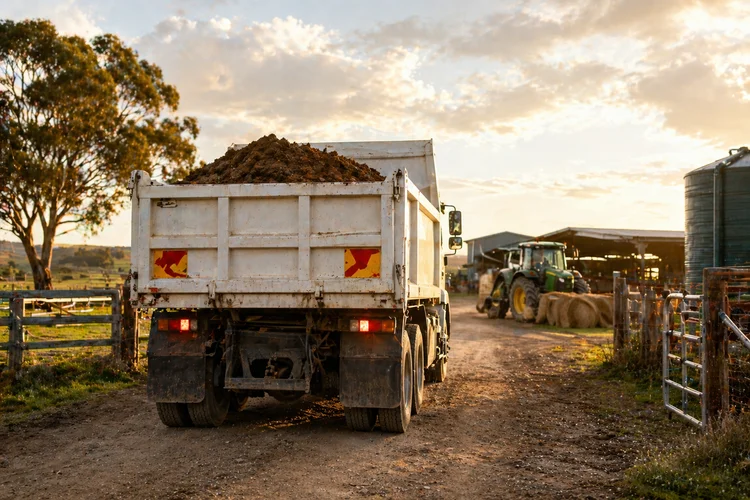
Running a farm means juggling countless tasks — from moving soil and feed to clearing waste after harvest. The right equipment can make or break your efficiency, especially when you’re working against the clock during peak seasons. That’s where a tipper truck becomes more than just transport — it’s a workhorse that saves time, reduces manual labour, and keeps your operations running smoothly across Hervey Bay, Maryborough, and surrounding agricultural regions.
What Is a Tipper Truck and Why Is It Useful in Agriculture?
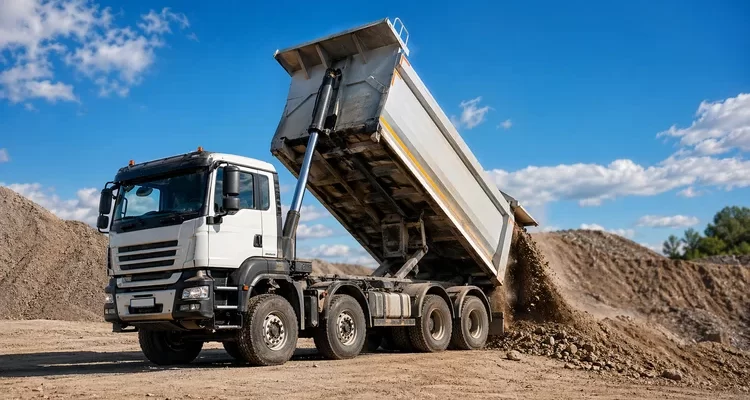
A tipper truck is a commercial vehicle designed with a hydraulic lifting system that tilts the truck bed backwards, allowing materials to slide out quickly and efficiently. For farmers and agricultural businesses, this means you can transport and unload everything from soil and gravel to harvested crops without needing extra equipment or manual shoveling.
Key Features of a Tipper Truck (Hydraulic Tipping Mechanism)
The hydraulic tipping mechanism is what sets these trucks apart. With a simple control, the truck bed raises to a controlled angle — usually between 45 and 70 degrees — letting gravity do the work. This system is powered by hydraulic cylinders that provide smooth, reliable lifting even with heavy loads. At CJS Machinery Hire, our 9-tonne Isuzu tipper truck features an easy-to-use tipping mechanism that’s safe, responsive, and built to handle the demands of farm work.
How Tipper Trucks Differ from Standard Farm Transport Vehicles
Unlike utes, trailers, or flatbed trucks that require manual unloading, a tipper truck lets you dump materials exactly where you need them with minimal effort. Standard farm vehicles might be fine for light loads or tooling around the property, but when you’re moving tonnes of soil, gravel, or feed, a tipper truck handles the volume and weight while cutting down your labour time significantly.
Why Efficiency Matters in Modern Farming Operations
Modern farming is all about doing more with less — less time, less fuel, fewer hands on deck. When you’re managing multiple paddocks, seasonal harvests, or development projects, every hour counts. A tipper truck streamlines material handling so you can focus on the work that actually grows your operation, not the logistics that slow it down.
Common Agricultural Uses of Tipper Trucks
Transporting Soil, Sand, and Gravel
Whether you’re leveling paddocks, building farm roads, or preparing garden beds, moving bulk soil and aggregate materials is a constant need. A tipper truck can haul several tonnes in one trip and unload it exactly where you need it — no wheelbarrows, no repeated trips with a small trailer.
Moving Harvested Crops (Grains, Fruits, and Vegetables)
During harvest season, timing is everything. Tipper trucks are ideal for transporting grains, fruits, and vegetables from the field to storage facilities or processing points. The hydraulic bed allows for quick unloading into bins, hoppers, or silos, keeping your harvest moving efficiently without damage or delay.
Hauling Fertilisers and Animal Feed
Bulk fertiliser and feed deliveries need to be distributed across large properties. A tipper truck makes it easy to transport these materials and unload them near storage areas, paddocks, or feeding stations. You’ll save hours compared to manual handling or using smaller vehicles.
Removing Green Waste and Organic Debris
After pruning, land clearing, or storm damage, farms can accumulate serious amounts of green waste. A tipper truck gives you the capacity to clear branches, leaves, and organic debris in one go, then unload it at a composting area or disposal site without breaking your back.
Carrying Manure and Compost for Fertilisation
Spreading manure and compost is essential for soil health, but it’s also messy and labour-intensive. A tipper truck can transport large volumes and unload them in strategic spots across your property, making the job faster and far less physically demanding.
Benefits of Using Tipper Trucks on Farms
Faster Loading and Unloading with Hydraulic Systems
The hydraulic system means you’re not shoveling or manually moving materials. Load it up, drive to your destination, tip it out — job done. What might take half a day with manual labour can be finished in under an hour with the right truck.
Reduced Manual Labour and Increased Productivity
Farm work is physically demanding enough without adding unnecessary lifting and hauling. A tipper truck cuts down the manual labour required for material handling, freeing up your time and energy for tasks that actually need your hands-on attention.
Ability to Handle Heavy and Bulk Loads Efficiently
A 9-tonne tipper truck can carry loads that would take dozens of trips with a ute or small trailer. Whether it’s soil for land development or feed for livestock operations, the capacity to move bulk materials efficiently is a serious productivity boost.
Versatility Across Different Farming Tasks
From infrastructure projects to seasonal work, a tipper truck adapts to whatever your farm needs. One day it’s hauling gravel for a new road, the next it’s clearing harvest debris, and the following week it’s moving compost for fertilisation. It’s genuinely one of the most versatile pieces of equipment you can bring onto a farm.
Improved Farm Logistics and Time Management
When you’re managing a farm, logistics can eat up more time than the actual work. A tipper truck simplifies the process — fewer trips, faster turnaround, and better coordination with other machinery and workers. You’ll spend less time planning transport and more time getting results.
Types of Tipper Trucks Suitable for Agricultural Work
Small Tipper Trucks for Light Farm Duties
Small tipper trucks (usually 3-5 tonnes) are ideal for hobby farms, orchards, or light landscaping work. They’re easier to maneuver in tight spaces and don’t require heavy vehicle licensing, making them accessible for more operators.
Medium Tipper Trucks for General Farming Operations
A medium tipper truck, like a 9-tonne Isuzu tipper, hits the sweet spot for most agricultural operations. It offers serious capacity without being oversized or difficult to operate. This size handles everything from soil transport to harvest hauling while still being nimble enough for farm roads and uneven terrain.
Large Tipper Trucks for Bulk Haulage
For major earthmoving projects, large-scale land clearing, or commercial farming operations, large tipper trucks (12+ tonnes) provide maximum capacity. These trucks are built for heavy-duty work but require specialised licensing and more space to operate.
Choosing the Right Size Based on Farm Needs
Consider the volume of materials you’re moving, the frequency of use, and the terrain you’ll be covering. For most farms in the Hervey Bay and Maryborough regions, a 9-tonne truck offers the best balance of capacity, maneuverability, and value.
When Should You Hire a Tipper Truck for Agricultural Use?
Seasonal Harvest Periods
Harvest time is all about speed and efficiency. Rather than investing in equipment that sits idle most of the year, hiring a tipper truck during peak harvest periods makes financial sense. You get the capacity exactly when you need it without the long-term commitment.
Land Preparation and Soil Movement Projects
Developing new paddocks, building roads, or creating irrigation systems involves moving serious amounts of soil and aggregate. A tipper truck hire for the duration of the project keeps costs predictable and ensures you’ve got the right equipment on hand.
Farm Clean-Ups and Waste Removal
After storms, land clearing, or seasonal maintenance, you’ll often need to remove large volumes of debris. A short-term tipper truck hire lets you clear everything in one efficient push rather than dragging the job out over weeks with smaller vehicles.
Short-Term vs Long-Term Equipment Needs
If you have ongoing transport needs, a weekly or monthly hire might make more sense than daily rates. For one-off projects or seasonal work, daily hire gives you flexibility without unnecessary expense. At CJS Machinery Hire, we offer both options with discounts for extended bookings.
Tipper Truck Hire vs Farm-Owned Equipment
Cost Comparison: Hiring vs Buying
Purchasing a tipper truck outright means a significant capital investment — often $50,000+ for a decent used truck. Add in registration, insurance, and maintenance, and the costs stack up quickly. Hiring lets you access the same equipment for a fraction of the price when you actually need it.
Maintenance and Storage Considerations
Owning equipment means you’re responsible for servicing, repairs, and roadworthy compliance. You’ll also need secure storage space. When you hire, all the maintenance is handled by the hire company, and the truck only takes up space while it’s working for you.
Flexibility and Scalability of Hiring Equipment
Farming needs change with the seasons and the demands of your operation. Hiring gives you the flexibility to scale up or down without being locked into equipment that might not suit every job.
When Hiring Is the Better Option for Farmers
For most small to medium-sized farms, hiring is the smarter choice. You get access to well-maintained, modern equipment without the capital outlay, maintenance headaches, or depreciation. Unless you’re using a tipper truck nearly every day year-round, hiring will save you money and stress.
Wet Hire vs Dry Hire for Agricultural Projects
What Is Wet Hire (Truck with Operator)?
Wet hire means the tipper truck comes with an experienced operator. You don’t need the appropriate license, and you’re not responsible for operating the vehicle — just directing where materials need to go. This is ideal if you don’t have licensed operators on staff or want to focus entirely on other aspects of the project.
What Is Dry Hire (Self-Drive Option)?
Dry hire gives you the truck without an operator. You’ll need a valid driver’s license and the appropriate machinery license to operate it yourself. This option is more affordable and gives you complete control over timing and operations.
Licensing and Skill Requirements
To self-drive a tipper truck, you’ll need a current driver’s license and machinery license. If you’re not licensed or comfortable operating heavy equipment, wet hire is the safer option. At CJS Machinery Hire, we can discuss your needs and help you choose the right hire arrangement.
Choosing the Right Option for Farm Operations
If you’ve got the license and experience, dry hire is cost-effective and flexible. If not, or if you’d rather have someone else handle the driving while you manage the worksite, wet hire is worth the extra investment. Talk to us about what suits your project best.
How to Choose the Right Tipper Truck for Your Farm
Assessing Load Capacity and Volume Requirements
Start by estimating the weight and volume of materials you’ll be moving. A 9-tonne tipper can handle around 6-8 cubic meters of material depending on density. If you’re regularly moving heavier aggregates or larger volumes, factor that into your truck selection.
Considering Terrain and Accessibility
Farm roads, paddocks, and uneven terrain require a truck that can handle the conditions. A well-maintained tipper truck with good ground clearance and reliable performance is essential for rural work. Make sure the truck you hire can access all areas of your property without getting bogged or stuck.
Matching Truck Type to Agricultural Tasks
Different jobs need different setups. For light soil movement, a smaller truck might do. For bulk haulage across large properties, you’ll want a mid-sized truck like a 9-tonne Isuzu. Match the equipment to the task rather than trying to make one size fit everything.
Working with a Reliable Hire Provider
Choose a hire company that understands agricultural work, maintains their equipment properly, and offers clear communication. You want a provider that’s responsive, flexible, and available when you need them — not one that leaves you waiting during critical farm operations.
Preparing Your Farm for Tipper Truck Operations
Ensuring Safe Access and Clear Pathways
Before the truck arrives, walk your property and identify potential obstacles — low-hanging branches, narrow gates, soft ground that might cause bogging. Clear pathways and make sure access points are wide enough and stable enough for a loaded truck.
Organising Materials for Efficient Loading
If you’re loading materials yourself, have everything staged and ready to go. The more efficiently you can load the truck, the less time it spends on your property and the more value you get from your hire period.
Coordinating with Other Farm Machinery
Tipper trucks often work alongside excavators, loaders, or other equipment. Coordinate timing and workflows so machinery isn’t sitting idle waiting for the next step. Good planning keeps everyone productive.
Minimising Downtime During Operations
Downtime costs money. Have a clear plan for where materials are being picked up, where they’re being delivered, and who’s responsible for each step. The smoother the operation, the more you’ll accomplish within your hire period.
Cost of Hiring a Tipper Truck for Agricultural Use
Factors That Influence Pricing (Size, Duration, Distance)
Tipper truck hire rates vary based on truck size, hire duration, and whether delivery is required. A 9-tonne truck hired for a full day will cost more than a half-day hire, and delivery fees apply if you want the truck dropped off and picked up from your property.
Hourly vs Project-Based Hire Rates
Some jobs are better suited to hourly rates, while others benefit from day or week-long hire agreements. At CJS Machinery Hire, we offer flexible pricing — $150 for 4 hours, $250 per day, or $1,400 per week (which works out to $200 per day). Extended bookings of 3+ days receive discounted rates.
Additional Costs to Consider (Fuel, Operator, Transport)
Our trucks are provided full of fuel and must be returned full. Delivery and pick-up is $150 if you need that service, or free if you collect and return the truck yourself. Wet hire will include operator costs on top of the base rate.
Tips to Maximise Value from Your Hire
Book for the full duration you need rather than rushing and extending later. Plan your work to make the most of each day. And if you’re a repeat customer, ask about discounts — we take care of locals who come back.
Safety Tips When Using Tipper Trucks on Farms
Avoiding Overloading and Uneven Loads
Overloading compromises stability and braking, especially on uneven terrain. Stick to the rated capacity and distribute weight evenly across the truck bed. An unbalanced load can tip the truck or cause steering issues.
Safe Driving on Uneven or Muddy Terrain
Farm roads aren’t highways. Drive slowly, watch for soft ground, and avoid sharp turns with a loaded truck. If the ground is wet or muddy, assess whether it’s safe to proceed or if you need to wait for drier conditions.
Proper Use of the Tipping Mechanism
Always ensure the truck is on level, stable ground before tipping. Keep bystanders clear of the tipping area, and never walk under a raised bed. Operate the hydraulic controls smoothly and lower the bed fully before driving off.
Importance of Trained Operators
Whether you’re self-driving or using an operator, proper training matters. Untrained operators can damage equipment, create safety hazards, or cause accidents. If you’re not confident, ask for instruction or opt for wet hire with an experienced operator.
Environmental Benefits of Using Tipper Trucks in Agriculture
Efficient Waste Management and Recycling
Tipper trucks make it easier to collect and transport organic waste to composting areas or recycling facilities. Instead of burning or leaving debris to rot in paddocks, you can manage waste responsibly and turn it into useful compost.
Reducing Soil Disturbance with Proper Transport
When you’re moving soil or materials, doing it efficiently with the right equipment reduces the number of trips across your property. Fewer trips means less soil compaction and disturbance, which is better for land health in the long run.
Supporting Sustainable Farming Practices
Efficient material handling supports sustainable practices like composting, organic fertilisation, and responsible land management. A tipper truck helps you implement these practices at scale without relying on wasteful or damaging methods.
Minimising Fuel Use Through Efficient Load Handling
One trip with a fully loaded tipper truck uses less fuel than ten trips with a smaller vehicle. By maximising load capacity and reducing unnecessary travel, you’re cutting fuel consumption and lowering your carbon footprint.
Common Mistakes to Avoid When Hiring a Tipper Truck for Farming
Choosing the Wrong Truck Size
Hiring a truck that’s too small means multiple trips and wasted time. Hiring one that’s too large for your needs or property access is overkill and costs more than necessary. Be realistic about your requirements and choose accordingly.
Ignoring Terrain and Weather Conditions
A tipper truck can handle a lot, but not everything. Boggy ground, steep slopes, or extreme weather can make operations unsafe or impossible. Assess conditions before booking and have a backup plan if things change.
Underestimating Load Requirements
If you’re not sure how much material you need to move, overestimate rather than underestimate. Running out of hire time halfway through a job is frustrating and costly. Plan properly and book enough time to complete the work.
Not Planning Logistics in Advance
Winging it rarely works on a farm. Know where you’re picking up materials, where they’re going, and how long each stage will take. Poor planning leads to delays, wasted hire time, and unnecessary stress.
Reliable Tipper Truck Hire for Hervey Bay Farms
At CJS Machinery Hire, we understand agricultural work because we’ve been part of this community for years. Our 9-tonne Isuzu tipper truck is built for the demands of farming — whether you’re moving soil for land development, clearing debris after a storm, or hauling feed across your property.
We’re based in Booral and proudly service Hervey Bay, Maryborough, Gympie, Bundaberg, and surrounding areas within 100 km. As a family-owned business, we take pride in offering honest advice, fair pricing, and equipment you can rely on when it matters most.
From daily hire to weekly bookings, we’ll work with your schedule and budget. We provide the truck full of fuel, give you a rundown on safe operation if needed, and make the whole process as straightforward as possible. All you need is a valid driver’s license, machinery license, and a credit card to get started.
If you’ve got a farm project coming up and need reliable equipment that won’t let you down, get in touch with CJS Machinery Hire. We’ll make sure you’ve got the right truck for the job — no fuss, no delays, just quality machinery hire that works for you. Let’s get that job done.
Related Posts
Post a Comment