
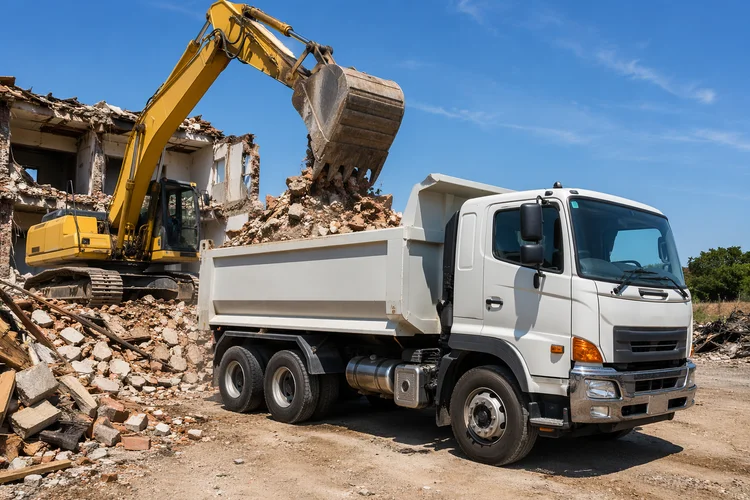
Demolition projects generate massive amounts of waste — concrete rubble, timber, metal, and mixed debris that needs to go somewhere fast. Whether you’re knocking down a residential property, clearing a commercial site, or cleaning up after partial demolition work, getting that waste off-site efficiently is crucial to keeping your project on schedule.
A tipper truck offers the speed, capacity, and flexibility that demolition jobs demand. Unlike skip bins that sit stationary, a tipper truck actively hauls large volumes of heavy materials in fewer trips, cutting down labour costs and site downtime. For contractors, builders, and property owners across Hervey Bay and surrounding areas, tipper truck hire is often the smartest choice for demolition waste removal.
In this guide, we’ll walk you through everything you need to know about hiring a tipper truck for demolition projects — from choosing the right size to understanding wet vs dry hire options, safety tips, and cost factors.
What Is a Tipper Truck and How Does It Work?
A tipper truck (sometimes called a dump truck) is a heavy-duty vehicle designed to transport loose materials like soil, gravel, demolition waste, and construction debris. The defining feature is its hydraulically operated tipping bed, which lifts at the rear to dump the load quickly and cleanly.
Key Features of a Tipper Truck (Hydraulic Tipping System Explained)
The hydraulic tipping mechanism is what sets tipper trucks apart from standard flatbed trucks. When the driver activates the system, a hydraulic ram lifts the front of the tray, causing materials to slide out the back. This allows for fast, controlled unloading without manual labour or machinery assistance at the dump site.
Modern tipper trucks also feature:
- Reinforced steel trays to handle heavy, abrasive materials
- Load-rated capacity to prevent overloading
- Safety locks to prevent accidental tipping during transport
- Easy-to-operate controls from the cabin
Types of Tipper Trucks Available for Hire
Tipper trucks come in various sizes and configurations depending on the job:
| Type | Capacity | Best For |
| Small tipper | 3–5 tonnes GVM | Residential jobs, tight access sites |
| Medium tipper | 6–9 tonnes GVM | Most demolition and construction projects |
| Large tipper | 10+ tonnes GVM | Large-scale commercial demolition |
For most demolition waste removal jobs, a 9 tonne tipper truck hits the sweet spot between capacity and manoeuvrability.
Why Tipper Trucks Are Ideal for Demolition Projects
Demolition work is unpredictable. Waste piles up quickly, and you need to move it before it becomes a safety hazard or blocks access for other machinery. Tipper trucks excel in this environment because they’re mobile, versatile, and capable of handling everything from fine dust to large concrete slabs. They can enter and exit sites multiple times a day, keeping the workspace clear and productive.
Why Use a Tipper Truck for Demolition Waste Removal?
When you’re dealing with tonnes of rubble and debris, the right equipment makes all the difference. Here’s why tipper trucks are the go-to choice for demolition waste.
Efficient Transport of Heavy and Bulky Debris
Demolition waste isn’t just heavy — it’s awkward. Broken bricks, twisted rebar, splintered timber, and concrete chunks don’t fit neatly into bags or bins. A tipper truck’s open tray design accommodates irregular shapes and sizes, letting you load everything in one go.
Faster Loading and Unloading Compared to Manual Methods
With the hydraulic tipping system, unloading takes seconds. No shovelling, no wheelbarrowing, no manual handling of dangerous materials. You drive to the disposal facility, tip the load, and you’re back on-site in a fraction of the time it would take with manual methods.
Reduced Labour Costs and Site Downtime
Time is money on demolition sites. The faster you clear waste, the sooner you can move onto the next phase. Using a tipper truck means fewer workers needed for waste handling, and less time spent waiting for bins to be swapped out or hauled away.
Ability to Handle Large Volumes in Fewer Trips
Our 9T Isuzu tipper offers a high payload capacity, letting you move substantial volumes of demolition waste in each trip — the equivalent of multiple skip bins in a single haul. For large demolition jobs, this efficiency adds up quickly — fewer trips mean lower hire costs and less disruption to your schedule.
Improved Site Safety and Cleanliness
A cluttered site is a dangerous site. Piles of rubble, scattered debris, and overflowing bins create trip hazards and restrict movement for machinery and workers. Regular tipper truck runs keep the site clear, reducing accident risk and making it easier for excavators, loaders, and personnel to move around safely.
Types of Demolition Waste a Tipper Truck Can Handle
Not all waste is created equal. Here’s what you can (and can’t) load into a tipper truck during demolition work.
Concrete, Bricks, and Rubble
This is the bread and butter of demolition waste. Crushed concrete, broken bricks, and masonry rubble are heavy but well-suited to tipper trucks. Just be mindful of weight limits — concrete adds up fast.
Soil, Sand, and Excavated Materials
If your demolition includes excavation or site levelling, a tipper truck can haul away soil, clay, sand, and fill. These materials are dense, so you may not fill the entire tray before hitting capacity.
Green Waste and Timber
Timber frames, floorboards, and stumps from demolished structures can be transported in a tipper truck. Green waste from site clearing (branches, shrubs, roots) is also suitable, though it’s lighter and bulkier than masonry.
Scrap Metal and Mixed Construction Waste
Steel beams, roofing iron, wiring, and mixed metal scraps can go in a tipper truck, though you’ll want to separate valuable metals for recycling. Mixed construction waste (plaster, insulation, piping, and fittings) is also acceptable as long as it’s non-hazardous.
Hazardous vs Non-Hazardous Waste (What You Need to Know)
Hazardous materials like asbestos, lead paint, treated timber, chemical containers, and contaminated soil require special handling and cannot be transported in a standard tipper truck. Always identify and separate hazardous waste before loading, and arrange licensed disposal through approved facilities.
When Should You Hire a Tipper Truck for Demolition Projects?
Not every job needs a tipper truck, but many do. Here are the scenarios where it makes the most sense.
Residential Renovations and Knockdowns
Tearing down a house or removing an extension generates tonnes of waste in a short time. A tipper truck lets you clear the site quickly so you can start rebuilding without delay.
Commercial and Industrial Demolition Sites
Large-scale demolition of warehouses, factories, or office buildings requires heavy-duty waste removal. Tipper trucks can make multiple runs per day, keeping pace with demolition crews and preventing bottlenecks.
Site Clean-Ups After Partial Demolition
Sometimes you’re not demolishing an entire structure — just removing a wall, roof, or internal fitout. Even partial demolition creates significant waste, and a tipper truck is the fastest way to haul it away without cluttering the site.
Ongoing Waste Removal During Multi-Stage Projects
For projects that span weeks or months, regular tipper truck hire ensures waste is removed progressively rather than piling up. This keeps the site safe, organised, and ready for the next phase of work.
Tipper Truck Hire vs Skip Bin Hire for Demolition Waste
Both options have their place, but they work differently. Here’s how to decide which one suits your job.
Key Differences in Flexibility and Efficiency
Skip bins are stationary. They sit on-site until full, then get swapped out by a truck. Tipper trucks are mobile — you load them, drive to the tip, dump the load, and return. This active transport model is faster and more flexible for demolition work.
When a Tipper Truck Is the Better Option
Choose a tipper truck when:
- You have large volumes of waste to remove quickly
- You need multiple loads hauled in a single day
- Site access is tight and you can’t leave a bin sitting around
- You want control over when and where waste is dumped
Situations Where Skip Bins May Still Be Useful
Skip bins work well for:
- Long-term projects where waste accumulates slowly
- Jobs where you don’t have machinery to load a truck
- Sites with plenty of space to park a bin for weeks at a time
Cost Comparison: Tipper Truck vs Skip Bin
Skip bins charge by the bin size and hire duration (often weekly). Tipper trucks charge by the hour, day, or per load. For demolition jobs that generate waste fast, tipper trucks are often more cost-effective because you’re paying for active transport, not static storage.
Choosing the Right Tipper Truck Size for Demolition Waste
Size matters. Too small, and you’ll waste time on extra trips. Too large, and you’ll pay for capacity you don’t need.
Small vs Medium vs Large Tipper Trucks
- Small (3–5T GVM): Best for small residential demos, tight driveways, and light materials
- Medium (6–9T GVM): The workhorse for most demolition projects — big enough for volume, small enough for suburban streets
- Large (10T+ GVM): For major commercial demolition with unrestricted site access
Popular Choice: 9 Tonne Tipper Trucks for Construction Jobs
The 9 tonne tipper truck is the most versatile option for demolition work. It’s large enough to handle serious volume but still manoeuvrable on residential streets and construction sites. Understanding what a 9T tipper can do helps you match the truck to your project scope.
Matching Truck Size to Project Scope
Estimate your total waste volume before booking. A small house knockdown might generate 15–30 tonnes of waste, while a commercial building could produce hundreds. Consider the payload capacity of the truck when planning the number of trips you’ll need.
Access and Site Constraints to Consider
Check your site before committing to a truck size:
- Can the truck fit through your gate or driveway?
- Is there overhead clearance (power lines, trees)?
- Will the ground support a loaded tipper truck?
- Is there turning space for entry and exit?
Wet Hire vs Dry Hire: Which Option Is Best?
This is one of the most important decisions you’ll make when hiring a tipper truck.
What Is Wet Hire (Tipper Truck with Operator)?
Wet hire means the truck comes with a professional driver/operator. You don’t need to operate the vehicle yourself — the driver handles loading coordination, transport, tipping, and return trips.
What Is Dry Hire (Self-Drive Tipper Truck)?
Dry hire means you drive the truck yourself. You’re responsible for operation, safety, and compliance. This option is cheaper but requires the right licensing and experience.
Licensing Requirements for Operating a Tipper Truck
In Queensland, you need:
- A Medium Rigid (MR) licence to operate our 9T Isuzu tipper truck for dry hire
- A current machinery licence for operating heavy vehicles
- Insurance coverage (check with your hire company)
When to Choose Wet Hire for Demolition Projects
Wet hire makes sense when:
- You don’t hold the required Medium Rigid licence
- You’d rather focus on demolition work than driving
- The job involves tricky access or heavy traffic
- You want an experienced operator who knows dump sites and routes
How the Tipper Truck Hire Process Works
Here’s what to expect when you hire a tipper truck for demolition waste removal.
Step 1: Assess Your Demolition Waste Volume
Walk the site and estimate how much waste you’ll generate. If you’re unsure, err on the side of caution and book extra capacity or multiple trips.
Step 2: Choose the Right Truck and Hire Type
Decide on truck size (9T is the sweet spot for most jobs) and whether you need wet or dry hire. Contact your machinery hire provider to check availability and rates.
Step 3: Loading the Tipper Truck (Manual vs Machinery)
For small jobs, you might load by hand with shovels and wheelbarrows. For larger demolition projects, an excavator or front-end loader makes loading faster and safer. Make sure materials are evenly distributed across the tray to avoid tipping during transport, and always stay within the truck’s payload limits.
Step 4: Transporting Waste to Disposal Facilities
Drive or arrange transport to an approved waste facility or landfill. Know your route in advance, especially if you’re hauling heavy loads through residential areas.
Step 5: Safe and Efficient Unloading
At the dump site, position the truck safely, engage the hydraulic tipping mechanism, and let gravity do the work. Make sure the area behind the truck is clear before tipping — falling debris can be dangerous.
Preparing Your Site for Tipper Truck Waste Removal
A little preparation goes a long way toward making the process smooth and safe.
Ensuring Clear Access for Trucks
Remove obstacles like parked cars, fencing, or building materials that might block the truck’s path. Check for overhead hazards (power lines, tree branches) and ground conditions (soft soil, steep driveways).
Organising Waste for Faster Loading
Sort waste into categories where possible (concrete in one pile, timber in another). This speeds up loading and helps you stay compliant with disposal facility requirements.
Coordinating with Excavators or Loaders
If you’re using machinery to load the tipper truck, coordinate timing so the truck isn’t sitting idle. Have the excavator operator position material near the truck for efficient loading.
Safety Measures for Workers On-Site
Establish exclusion zones around the truck during loading and tipping. Ensure workers wear high-visibility clothing, hard hats, and steel-capped boots. Designate a spotter to guide the truck in tight spaces.
Cost of Hiring a Tipper Truck for Demolition Waste Removal
Understanding pricing helps you budget accurately and avoid surprises.
Factors That Affect Pricing (Size, Duration, Distance)
Tipper truck hire costs vary based on:
- Truck size (larger trucks cost more)
- Hire duration (daily, weekly, or per load)
- Distance to disposal site (longer hauls = higher costs)
- Wet vs dry hire (operator fees add to the price)
Hourly Rates vs Per Load Pricing
Some hire companies charge by the hour, others by the load or day. For demolition jobs with multiple trips, daily or per-load pricing often works out cheaper than hourly rates.
Additional Costs (Fuel, Disposal Fees, Operator Fees)
Don’t forget to factor in:
- Fuel (trucks are often hired with a full tank and must be returned full)
- Disposal/tipping fees at the landfill or waste facility
- Operator fees if you opt for wet hire
- Delivery and pick-up charges if applicable
Tips to Reduce Tipper Truck Hire Costs
- Book for longer periods to access discounted rates
- Hire during off-peak times if possible
- Plan your loads efficiently to maximise payload on each trip
- Choose dry hire if you have the required Medium Rigid licence
- Work with local hire companies to reduce travel costs
Safety Tips When Using a Tipper Truck for Demolition Waste
Safety should always be your top priority. Here’s how to stay safe when using a tipper truck.
Proper Loading Techniques to Prevent Overloading
Never exceed the truck’s rated capacity. Overloading puts stress on the chassis, tyres, and brakes, increasing the risk of accidents. Understand the difference between GVM (total vehicle weight) and payload (what you can actually load), and weigh loads if you’re unsure. Distribute weight evenly across the tray.
Securing Loose Materials During Transport
Use tarps or netting to cover loose materials like soil, sand, or small debris. This prevents material from blowing out during transport, which is both dangerous and illegal on public roads.
Safe Dumping Practices on Uneven Ground
Always tip on level, stable ground. Tipping on a slope or soft surface can cause the truck to tip over. Check for underground utilities, overhead wires, and nearby workers before raising the tray.
Importance of Trained Operators
Whether wet or dry hire, the person operating the truck should be trained and licensed. Inexperienced operators increase the risk of accidents, property damage, and injury.
Environmental Considerations for Demolition Waste Removal
Responsible waste management isn’t just good for the planet — it’s often required by law.
Recycling and Reusing Construction Materials
Much of what comes out of a demolition site can be recycled. Concrete can be crushed and reused as fill or road base. Bricks, timber, and metal can be sold or repurposed. Separate recyclable materials where possible to reduce landfill waste.
Responsible Waste Disposal Practices
Only use licensed waste facilities that comply with environmental regulations. Illegal dumping carries heavy fines and damages the environment. Keep records of where waste is disposed in case of audits.
Reducing Landfill Impact with Proper Sorting
Sorting waste on-site (masonry, metals, organics, general waste) makes recycling easier and reduces the volume sent to landfill. Many waste facilities charge less for sorted materials.
Working with Licensed Waste Facilities
Ensure your disposal facility is licensed to accept demolition waste. They’ll provide you with a waste receipt or docket — keep these for your records and to prove compliance if needed.
Common Mistakes to Avoid When Hiring a Tipper Truck
Learn from others’ mistakes and save yourself time, money, and hassle.
Choosing the Wrong Truck Size
Hiring a truck that’s too small means extra trips and wasted time. Hiring one that’s too large means paying for capacity you don’t use. Assess your waste volume carefully and choose accordingly.
Underestimating Waste Volume
Demolition projects almost always generate more waste than expected. Build in a buffer when estimating — it’s better to have capacity left over than to scramble for extra trips.
Ignoring Site Access Limitations
A 9-tonne tipper truck won’t fit through a 2-metre-wide gate. Check access points, turning circles, ground clearance, and overhead restrictions before booking.
Not Considering Wet Hire for Complex Jobs
If you’re not experienced with tipper trucks or don’t hold a Medium Rigid licence, don’t risk it. Wet hire adds cost but eliminates the stress of driving, navigating, and tipping a heavy vehicle.
Why Choose CJS Machinery Hire for Tipper Truck Hire
When you’re ready to hire a tipper truck for your demolition project, choosing the right provider matters.
Reliable and Well-Maintained 9T Isuzu Tipper Truck
At CJS Machinery Hire, we offer a clean, roadworthy 9-tonne Isuzu tipper truck built for heavy-duty demolition work. It’s regularly serviced, complies with Australian safety standards, and is ready to go when you need it.
Flexible Wet and Dry Hire Options
We understand every job is different. Whether you want to drive it yourself (with a Medium Rigid licence) or need an operator, we offer both wet and dry hire to suit your project and budget.
Ideal 9T Tipper Trucks for Demolition Jobs
Our 9T tipper is perfectly sized for demolition waste removal — big enough to handle serious volume, but still manoeuvrable on residential streets and construction sites across Hervey Bay, Maryborough, and surrounding areas.
Local Expertise and Fast Availability
As a family-owned business based in Booral, we know the local area and understand the needs of Hervey Bay contractors, builders, and property owners. With over 25 years’ experience in construction and earthmoving, we offer honest advice and reliable service — no fuss, no delay.
Get Your Demolition Site Cleared Fast with CJS Machinery Hire
Demolition projects move fast, and waste removal can’t afford to lag behind. A tipper truck gives you the speed, capacity, and flexibility to keep your site clear, safe, and productive from start to finish.
Whether you’re knocking down a house, clearing a commercial building, or cleaning up after a partial demo, the right tipper truck hire makes all the difference. From choosing the right size to understanding wet vs dry hire, safety practices, and cost factors, you now have the knowledge to make smart decisions for your project.
At CJS Machinery Hire, we’re here to support demolition contractors and property owners across Hervey Bay with reliable, well-maintained equipment and flexible hire options that work for you. Our 9-tonne Isuzu tipper truck is ready to tackle your toughest jobs — and we’ll make the hire process simple and straightforward.
Ready to get started? Contact CJS Machinery Hire today to book your tipper truck, discuss wet or dry hire options, or ask about our competitive daily and weekly rates. Let’s get that demolition waste cleared — efficiently, safely, and without the headaches.
Related Posts
Post a Comment