
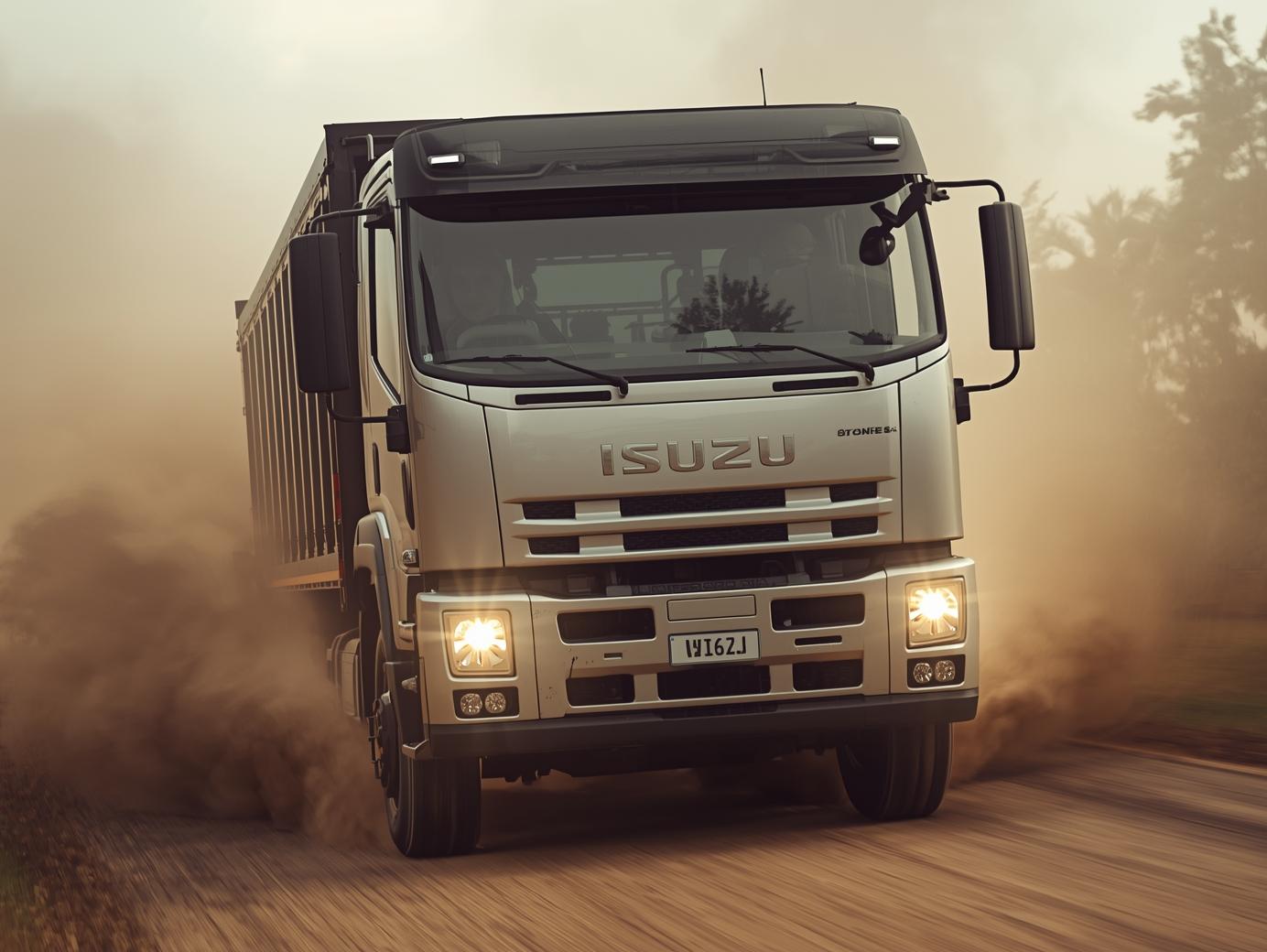
Choosing the right tipper truck isn’t just about finding something with four wheels and a tipping tray. Get it wrong, and you could be facing overloading fines, unsafe conditions on the road, or paying for a bigger truck than you actually need.
One of the most common mistakes people make is assuming that if the material fits in the tray, it’s safe to haul. Unfortunately, that’s not how it works. Weight matters far more than volume, and understanding the difference between payload and GVM can save you from costly mistakes and dangerous situations.
At CJS Machinery Hire in Hervey Bay, we offer a reliable 9-tonne Isuzu tipper truck that’s well-suited to most landscaping, earthmoving, and construction jobs across the Fraser Coast.
Whether you’re clearing a site in Booral, moving soil for a driveway, or hauling gravel for a shed base, knowing what capacity you need will help you work smarter and safer.
Understanding Tipper Truck Capacity (Payload vs GVM)
Before you hire a tipper truck, it’s important to understand what the numbers actually mean. You’ll often hear terms like “payload” and “GVM” thrown around, but they’re not interchangeable — and mixing them up can lead to serious problems.
What Is Payload?
Payload is the maximum usable load the truck can legally carry. It’s the weight of the materials you’re transporting — soil, sand, gravel, or rubble — without exceeding legal limits.
This is the number that actually matters for your job. If you’re moving 5 cubic metres of wet soil, you need to know whether your truck’s payload can handle the weight, not just whether it fits in the tray.
What Is GVM (Gross Vehicle Mass)?
GVM stands for Gross Vehicle Mass, which is the total allowable weight of the vehicle plus the load. In other words, it’s the truck itself (the tare weight) plus whatever you’re carrying.
GVM is critical because it determines what licence you need to drive the truck in Queensland. For example, a truck with a GVM over 8 tonnes typically requires a Medium Rigid (MR) licence, which we’ll cover in more detail later.
Why Payload and GVM Are Often Confused
Here’s where things get messy. Truck hire advertising and casual conversations often refer to trucks by their GVM rather than their payload. You might hear someone say “I need a 9-tonne truck,” but what they really mean is a truck with a 9-tonne GVM — which might only have a 5- or 6-tonne payload once you account for the truck’s own weight.
This confusion can lead to overloading fines or unsafe operation. If you assume a “9-tonne truck” can carry 9 tonnes of material, you’re setting yourself up for trouble. Always check the payload rating before you load up.
Common Tipper Truck Sizes in Australia (By Payload Class)
Tipper trucks come in a range of sizes, and each class is suited to different types of work. Here’s a breakdown of the most common payload categories and what they’re used for.
2–5 Tonne Tipper Trucks
These are the smallest tippers on the market, often ute-based or light rigid trucks. They’re ideal for green waste, light soil loads, and small landscaping jobs where access is tight.
Pros: Easy to manoeuvre, no special licence required for some models, lower hire costs.
Limitations: Limited capacity means more trips for bigger jobs, not suitable for heavy materials like rock or wet clay.
6–8 Tonne Tipper Trucks
A step up in capacity, these trucks strike a balance between manoeuvrability and carrying capacity. They’re commonly used for driveway prep, moderate soil or sand removal, and residential landscaping.
If you’re working in suburban areas with narrower streets or limited access, this size range can be a good middle ground.
9–12 Tonne Tipper Trucks (Including 9-Tonne Isuzu)
This is the sweet spot for most regional and semi-urban jobs. These are typically two-axle rigid trucks with enough payload to handle heavier landscaping, site clean-ups, and construction material transport without the bulk of a tandem tipper.
At CJS Machinery Hire, our 9-tonne Isuzu tipper truck fits perfectly into this category. It’s powerful enough for serious work but still accessible for jobs around Hervey Bay, Booral, and the wider Fraser Coast. Whether you’re hauling soil for a retaining wall or clearing rubble from a demolition, this size truck can handle it.
12–14 Tonne Tandem / Bogie Tippers
These larger trucks are used for civil works, bigger construction sites, and commercial earthmoving. They offer more payload capacity, but they’re also harder to manoeuvre in tight residential areas.
If your job site has narrow driveways, low-hanging branches, or limited turning space, a tandem tipper might not be practical.
30+ Tonne Semi Tippers
At the top end of the scale, semi tippers are built for bulk earthmoving, quarry work, and large infrastructure projects. These trucks are overkill for residential or suburban jobs and aren’t suited to the access constraints most homeowners and small contractors face.
Estimating How Much Material You Can Carry
This is where things get practical. You might know you need “a few loads of soil,” but how do you figure out whether a 9-tonne tipper can handle it?
Typical Material Weights (Per Cubic Metre)
Different materials have vastly different weights, even if they take up the same space. Here’s a rough guide:
| Material | Approximate Weight (per m³) |
| Soil (dry) | 1.2–1.6 tonnes |
| Sand | 1.6–1.8 tonnes |
| Gravel | 1.5–2.0 tonnes |
| Rock / rubble | 2.5–3+ tonnes |
These are estimates, and moisture content or material density can push the weight higher. Wet soil, for example, can weigh significantly more than dry soil.
What a 9-Tonne Tipper Can Realistically Carry
Let’s use the CJS 9-tonne Isuzu as an example. If the truck has a payload capacity of around 5–6 tonnes (accounting for the truck’s tare weight), here’s what you can expect:
- Soil: Approximately 3–5 m³, depending on moisture and density
- Sand/gravel: Lower volume than soil due to higher weight per cubic metre
- Rock: Significantly limited volume — you might only fit 2–3 m³ before hitting the payload limit
Why Volume Alone Is Not a Safe Measure
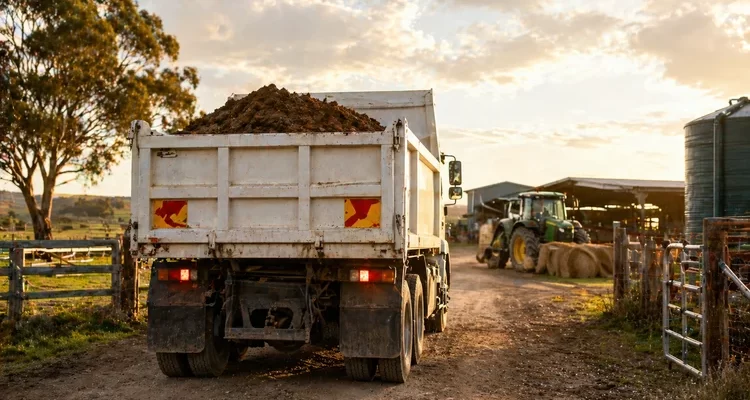
Just because it fits in the tray doesn’t mean it’s legal or safe to carry. Overloading a tipper truck can damage the suspension, blow tyres, reduce braking performance, and put you at risk of fines or worse — an accident.
Always calculate weight, not just volume, before you load up. If you’re unsure, it’s better to do an extra trip than to overload the truck.
What Licence Do You Need to Hire a Tipper Truck in Queensland?
Licensing is another area where confusion creeps in. The size of the truck’s tray doesn’t determine what licence you need — it’s all about GVM and the number of axles.
MR (Medium Rigid) Licence Explained
In Queensland, a Medium Rigid (MR) licence is required for most 9-tonne two-axle rigid tippers with a GVM over 8 tonnes. This applies to the CJS Isuzu tipper truck.
If you’ve only got a standard car licence, you won’t be able to legally drive this truck. You’ll need to upgrade to an MR licence or hire an operator to do the driving for you.
For more details on licensing requirements, check out our guide on what licence you need to drive a tipper truck.
HR (Heavy Rigid) Licence Explained
A Heavy Rigid (HR) licence is required for rigid vehicles with three or more axles. If you’re hiring a tandem or bogie tipper, you’ll need this licence.
For most regional jobs using a two-axle tipper, an MR licence is sufficient.
Why Axles and GVM Matter More Than “Truck Size”
People often assume that a “bigger truck” automatically needs a higher licence class, but that’s not always true. A two-axle truck with a 12-tonne GVM still only requires an MR licence, while a three-axle truck with a lower GVM would require HR.
Understanding these distinctions will help you avoid surprises when you go to hire.
Is a 9-Tonne Tipper Truck Right for Your Job?
Not every job needs the same truck. Here’s how to figure out if a 9-tonne tipper is the right fit for your project.
Jobs Well-Suited to a 9-Tonne Tipper
A 9-tonne tipper like the one available from CJS Machinery Hire is ideal for:
- Landscaping and earthmoving — moving soil, sand, or mulch for garden beds, retaining walls, or levelling work
- Site clean-ups — clearing rubble, green waste, or demolition debris
- Construction material transport — hauling gravel, road base, or fill for driveways and shed pads
- Rural and semi-urban properties around Hervey Bay — properties with reasonable access and moderate load requirements
This size truck offers enough capacity to get the job done without the cost or complexity of hiring larger equipment.
When You Might Need a Smaller or Larger Truck
A smaller truck might be better if you’re working in tight residential areas with narrow driveways, low-hanging trees, or limited turning space. If access is severely restricted, a ute-based tipper or smaller rigid truck might be the smarter choice.
On the other hand, if you’re dealing with extremely heavy materials like large rocks or high-volume bulk transport for a commercial project, you might need a tandem tipper or even a semi. Just keep in mind that bigger trucks come with higher costs and more complex licensing requirements.
Why Hire a 9-Tonne Isuzu Tipper from CJS Machinery Hire Hervey Bay
When you’re looking for tipper truck hire in the Hervey Bay and Booral area, CJS Machinery Hire offers a practical, reliable option that’s built for the jobs locals actually need done.
Practical Advantages
Our 9-tonne Isuzu tipper is built on a reliable platform that’s known for durability and performance. It’s suited to the payload demands of most regional jobs without being overkill for residential or semi-urban sites.
The truck offers a good balance of power, access, and efficiency. It’s strong enough to handle serious loads but still manageable on local roads and properties around the Fraser Coast.
Local Knowledge & Flexible Hire
We’re a family-owned business based near Booral, so we understand the conditions, access challenges, and job types common to this area. Whether you’re working on a farm, a residential block, or a small commercial site, we know what it takes to get the job done.
Our tipper truck hire is available at competitive daily rates — approximately $250 per day — and we offer flexible hire options to suit your schedule. If you’re a repeat customer, we’ll work with you on pricing and availability.
With over 25 years’ experience in construction and earthmoving, we’ve built our reputation on honest advice, quality machinery, and reliable service. No fuss, no delay — just the equipment you need, when you need to use it.
Frequently Asked Questions
How much soil can a 9-tonne tipper legally carry?
It depends on the moisture content and density, but generally, a 9-tonne tipper with a payload of around 5–6 tonnes can carry approximately 3–5 cubic metres of soil. Wet or clay-heavy soil will reduce that volume due to increased weight.
Can I carry rock in a 9-tonne tipper?
Yes, but in limited quantities. Rock is significantly heavier than soil or sand, often weighing 2.5–3+ tonnes per cubic metre. You might only be able to carry 2–3 m³ before hitting the payload limit.
Do I need an MR licence to hire a tipper truck in QLD?
If the truck has a GVM over 8 tonnes and is a two-axle rigid vehicle, yes — you’ll need a Medium Rigid (MR) licence in Queensland. This applies to most 9-tonne tippers, including our Isuzu.
Is it cheaper to hire a bigger tipper “just in case”?
Not usually. Bigger trucks cost more to hire, require higher licence classes, and may not fit on your site. It’s better to calculate your actual payload needs and hire the right size truck from the start.
Get the Right Tipper Truck for Your Hervey Bay Project
Choosing the right tipper truck comes down to understanding your material weight, site access, and licensing requirements. A 9-tonne Isuzu tipper offers the versatility and capacity most regional jobs demand — without the hassle of hiring equipment that’s too big or too small.
At CJS Machinery Hire, we’re here to help you get the job done safely and efficiently. Whether you’re tackling a weekend landscaping project or a week-long site clean-up, our tipper truck hire is ready to go when you are.
Give us a call today to check availability, ask about rates, or get advice on what truck suits your job best. We’ll make it easy to get the right equipment, so you can focus on getting the work done.
Related Posts
Post a Comment