
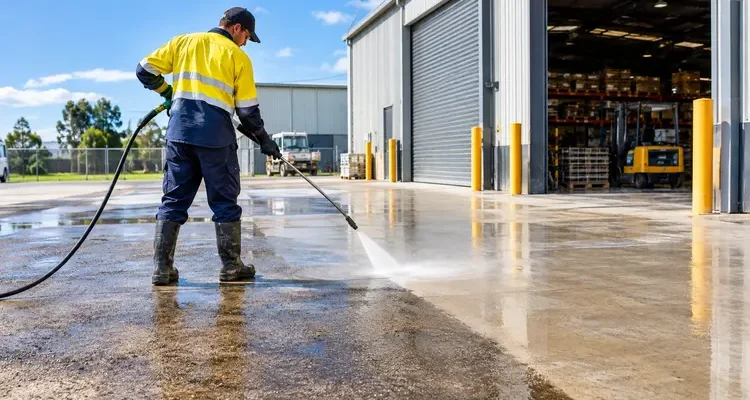
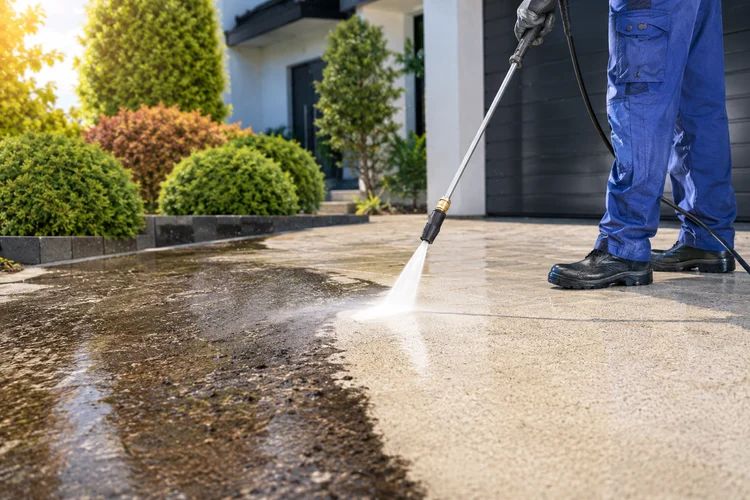
Whether you’re trying to shift years of grime off a concrete driveway, clean up heavy machinery after a muddy worksite, or restore the kerb appeal of your home before putting it on the market, pressure washing is one of the most effective tools available. It’s fast, versatile, and — when done correctly — produces results that manual scrubbing simply can’t match.
At CJS Machinery Hire, we work with homeowners, tradies, and industrial operators across Hervey Bay, Maryborough, and surrounds. We know firsthand how big a difference the right pressure washing equipment can make. This guide covers everything you need to know — from understanding how it works to knowing when to DIY and when to bring in the professionals.
What Is Pressure Washing?
Understanding Pressure Washing
Pressure washing is the process of using a high-pressure stream of water to clean surfaces, remove contaminants, and strip away built-up grime. The water is forced through a nozzle at high velocity, giving it far more cleaning power than a standard garden hose.
The basic principle is straightforward: increase the speed of water delivery to increase its cleaning force. This makes it effective at removing dirt, mould, mildew, oil, grease, and other stubborn deposits from hard surfaces.
There is a distinction worth noting between residential and commercial pressure cleaning. Residential pressure washing typically involves smaller, more portable units suited to driveways, patios, and house exteriors. Commercial pressure cleaning uses heavier-duty equipment designed for large-scale jobs like warehouse floors, car parks, and industrial machinery — and the machines running those jobs are built to handle hours of continuous use.
How Pressure Washing Differs From Power Washing
The terms are often used interchangeably, but there is one key difference: power washing uses heated water, while pressure washing uses water at ambient temperature.
Hot water is more effective at breaking down grease, oil, and biological matter like mould and algae. This makes power washing particularly useful for industrial applications — think degreasing heavy equipment, cleaning commercial kitchen areas, or washing down concrete floors in warehouses and service stations.
Standard pressure washing, using cold water, handles the majority of residential and light commercial cleaning jobs perfectly well. It’s more widely available, easier to set up, and more than capable of restoring driveways, fences, roofs, and house exteriors.
| Feature | Pressure Washing | Power Washing |
| Water temperature | Cold/ambient | Heated |
| Best for | Residential, general commercial | Industrial, grease and oil removal |
| Availability | Widely available | Specialised equipment required |
| Cost | Lower | Higher |
Common Types Of Pressure Washers
Understanding the different types of pressure washers helps you choose the right equipment for the job.
- Electric pressure washers are lightweight and quiet, suited to smaller residential jobs like washing cars, outdoor furniture, or light concrete cleaning. They’re easy to use but limited in pressure output.
- Petrol pressure washers are more powerful and don’t require a power outlet, making them ideal for jobs away from a power source — farm sheds, remote sites, or large outdoor areas.
- Industrial-grade pressure cleaning equipment is built for continuous heavy use. These machines produce significantly higher pressure and flow rates and are used in commercial and industrial environments.
- Hot water pressure cleaners combine high pressure with heated water for the most aggressive cleaning capability. They’re the go-to option for grease, oil, and stubborn biological growth.
PSI And GPM Explained
Two figures matter most when you’re evaluating pressure washing equipment: PSI and GPM.
PSI stands for pounds per square inch and measures the pressure of the water stream. A higher PSI means more force and better ability to cut through tough stains. Residential machines typically sit between 1,000 and 2,000 PSI, while commercial and industrial units can reach 3,000 to 5,000 PSI or more.
GPM stands for gallons per minute and measures the water flow rate. Where PSI provides the cleaning force, GPM provides the volume — which is what rinses debris away and speeds up the job.
The two figures work together. A unit with high PSI but low GPM will punch hard but rinse slowly. A unit with high GPM but low PSI moves a lot of water without much bite. For most cleaning jobs, a balanced combination of both gives the best results.
A quick guide:
| Job Type | Recommended PSI | Recommended GPM |
| Car washing / light surfaces | 1,000–1,500 | 1.4–1.6 |
| Driveways / patios | 1,500–2,500 | 1.5–2.0 |
| Roof and house exterior | 1,500–2,000 | 2.0–2.5 |
| Commercial floors / machinery | 2,500–4,000+ | 2.5–4.0+ |
Benefits Of Pressure Washing
Improves Street Appeal
One of the most visible benefits of pressure washing is what it does for the look of a property. Years of dirt, algae, and weathering accumulate gradually — so gradually that many property owners barely notice until they see a before-and-after comparison.
A pressure wash can restore driveways, pathways, walls, fences, and outdoor entertaining areas to near-original condition. In coastal areas like Hervey Bay, where the salt air and subtropical humidity accelerate surface discolouration, the impact is even more striking. A single afternoon with the right equipment can make a property look years newer.
Helps Prevent Surface Damage
Mould, algae, lichen, and built-up dirt don’t just look bad — they degrade the materials underneath them over time. Mould breaks down timber fibres. Algae holds moisture against concrete and masonry. Lichen can penetrate roof tiles and cause cracking.
Regular pressure washing removes these contaminants before they cause permanent damage, extending the lifespan of driveways, roofs, decks, fences, and exterior walls. In most cases, it’s far cheaper to clean a surface annually than to repair or replace it prematurely.
Creates A Safer Environment
Mould, algae, and mildew on hard surfaces create slip hazards, particularly around pools, paths, and driveways. In Queensland’s wet season, outdoor surfaces can become dangerously slippery within weeks.
Pressure washing removes these hazards quickly and thoroughly. For businesses, this is especially important from a workplace health and safety standpoint — wet and contaminated floors in warehouses, car parks, and walkways represent real liability.
Increases Property Value
A clean exterior improves buyer and tenant perception more than most property owners realise. Real estate agents consistently identify presentation as one of the key factors affecting first impressions. A pressure-washed driveway, freshly cleaned render, and spotless outdoor areas signal that a property has been well maintained.
Whether you’re preparing a home for sale, maintaining a rental property, or keeping a commercial premises looking sharp for customers, regular exterior cleaning pays dividends in perceived value.
Saves Time Compared To Manual Cleaning
Scrubbing a concrete driveway with a brush and bucket is a full day’s work for a modest result. The same area with a quality pressure washer takes a fraction of the time and produces a far better outcome.
For large commercial properties, warehouses, or heavy equipment cleaning, the time saving is even more significant. Professional-grade equipment with high GPM rates clears large areas quickly, keeping businesses operational and minimising downtime.
Environmentally Friendly Cleaning Option
When done correctly, pressure washing is actually one of the more environmentally responsible cleaning methods. The high-pressure water action reduces the need for chemical cleaners, and modern equipment is designed to use water efficiently rather than relying on prolonged soaking.
Where detergents are used, biodegradable cleaning products minimise impact on surrounding soil and stormwater systems. Responsible operators also capture runoff appropriately, particularly when cleaning oily or contaminated surfaces on commercial sites.
What Can Be Pressure Washed?
Driveways And Concrete Surfaces
Concrete is one of the most common pressure washing targets and one of the most satisfying. Oil stains from vehicles, tyre marks, and years of accumulated grime are all effectively removed with the right equipment. A rotary surface cleaner attachment produces a consistent, streak-free result across large concrete areas far faster than a standard nozzle.
For heavily stained driveways, a degreasing detergent combined with dwell time before rinsing gives the best outcome.
House Exteriors
The exterior of a home can be cleaned effectively regardless of the cladding type, provided the correct pressure and technique are used.
- Brick responds well to pressure washing, removing mould, dirt, and weathering without damage at appropriate pressure settings.
- Render requires a gentler approach to avoid surface erosion — generally lower pressure with a wider nozzle.
- Weatherboard and timber cladding should be cleaned carefully, working with the grain and avoiding sustained pressure in one spot.
- Vinyl cladding is durable and handles pressure washing well, making it straightforward to clean.
Roof Cleaning
Roof surfaces accumulate mould, lichen, and algae that, left untreated, shorten the lifespan of tiles and metal roofing. Pressure washing removes these effectively, but roof cleaning requires particular care around pressure settings and operator safety.
Soft washing (discussed in a later section) is often the safer choice for older or more fragile roof materials. For metal roofing and newer concrete tiles in good condition, targeted pressure washing combined with an appropriate treatment solution is effective.
Decks, Patios, And Outdoor Areas
Timber decks benefit significantly from annual cleaning. Mould and moisture penetration darken timber and make surfaces slippery. Pressure washing at the right setting removes the surface layer of greyness and restores the natural timber appearance. It also prepares the surface properly for oiling or staining.
Pavers and outdoor entertaining areas respond well to pressure washing, particularly with a surface cleaner attachment that ensures even cleaning across large paved areas.
Fences And Retaining Walls
- Timber fences can be cleaned effectively at lower pressures, removing mould and weathering before repainting or restaining.
- Colorbond fencing handles pressure washing well — a periodic clean keeps it looking sharp and removes bird droppings, mould, and coastal salt deposits.
- Concrete retaining walls accumulate significant algae and mould growth, particularly in shaded or low-drainage areas. Pressure washing restores their appearance and prevents long-term staining.
Commercial And Industrial Areas
Commercial pressure washing covers a wide range of applications:
- Warehouse floors and factory areas where oils, dust, and chemicals accumulate
- Car parks with tyre marks, fuel spills, and long-term grime
- Service stations where fuel and oil contamination requires regular cleaning for safety compliance
- Heavy machinery, earthmoving equipment, and plant that needs to be cleaned for maintenance, inspection, or resale
Machinery And Construction Equipment
Cleaning heavy machinery isn’t just about appearance — it’s a maintenance practice. Mud, grease, and compacted debris accelerate corrosion and can obscure developing mechanical issues. Regular cleaning extends equipment life, reduces wear on moving parts, and makes routine maintenance inspections more effective.
Hot water pressure cleaners are particularly valuable here, cutting through grease and hardened mud that cold water alone won’t shift.
Surfaces That Require Extra Care
Soft Washing Vs Pressure Washing
Soft washing uses a low-pressure water delivery system combined with a specialised cleaning solution to break down biological growth — mould, algae, lichen, and mildew — at the source rather than blasting it away with force.
It’s the preferred method for surfaces that could be damaged by high-pressure water: older roof tiles, painted timber, heritage brick, and soft render. The cleaning solution does the heavy lifting, and the low-pressure rinse removes it safely.
Knowing when to use soft washing rather than pressure washing is important for avoiding surface damage, particularly on older properties or materials in marginal condition.
Delicate Surfaces To Be Careful With
Some surfaces require careful technique or should only be approached by experienced operators:
- Painted surfaces can be stripped or damaged by excessive pressure or incorrect nozzle choice.
- Old brickwork with degraded mortar can have joints eroded by high-pressure water — particularly heritage or period-style homes.
- Roof tiles, especially older terracotta or concrete tiles, can crack or have their granular surface disrupted.
- Timber decking is vulnerable to grain raising and surface etching if pressure is too high or the nozzle held too close.
- Glass and windows should only be cleaned with low pressure and appropriate soft washing techniques to avoid cracking or seal damage.
Common Pressure Washing Mistakes
The most common errors when pressure washing come down to using too much pressure, choosing the wrong nozzle, and poor technique:
- Using too much pressure on the wrong surface is the most frequent cause of damage — concrete etching, stripped paint, and gouged timber are all preventable with correct settings.
- Incorrect nozzle selection concentrates or disperses water inappropriately for the task, reducing effectiveness or causing damage.
- Surface etching occurs when high-pressure water is held too close to soft concrete or render, leaving visible track marks.
- Water intrusion happens when high pressure forces water behind cladding, into window frames, or under roof tiles, leading to moisture damage inside the structure.
Pressure Washing Equipment Explained
Pressure Washer Components
A pressure washer has several key components that work together:
- The pump is the heart of the machine, generating the pressure that drives cleaning performance. Pump quality is the primary determinant of machine longevity.
- The motor or engine powers the pump — electric motors for plug-in units, petrol engines for portable and high-output machines.
- The hose carries high-pressure water from the pump to the spray gun. Quality and length vary significantly between consumer and commercial-grade equipment.
- The spray gun is the handheld control unit, with a trigger that releases the water flow and often a quick-connect fitting for nozzle changes.
- Nozzles determine the spray angle and pattern, directly affecting cleaning pressure and application.
Understanding Pressure Washer Nozzles
Nozzles are colour-coded for easy identification:
| Colour | Spray Angle | Best Use |
| Red | 0° | Concentrated stream for stubborn stains — use with caution |
| Yellow | 15° | Heavy-duty cleaning on concrete and masonry |
| Green | 25° | General-purpose cleaning, driveways, paths |
| White | 40° | Delicate surfaces, house washing, vehicles |
| Black (soap) | 65° | Low-pressure soap application |
The red nozzle is the one most likely to cause surface damage — it should only be used by experienced operators who know exactly what they’re doing.
Surface Cleaners And Attachments
Attachments extend what a pressure washer can do and improve results significantly:
- Rotary surface cleaners are spinning disc attachments that clean large flat areas quickly and evenly, eliminating the streaking that single-nozzle cleaning can produce on driveways and paths.
- Turbo nozzles (also called rotary nozzles) combine a 0° concentrated stream with a rotating action, giving a narrower nozzle’s force with a wider cleaning path — useful for stubborn stains on large areas.
- Extension wands add reach for cleaning eaves, gutters, and roof areas from the ground.
- Foam cannons attach to the spray gun and produce a thick layer of detergent foam, increasing dwell time and cleaning effectiveness for vehicles and house washing.
Hot Water Pressure Washers
Hot water units are the equipment of choice for industrial cleaning jobs involving grease, oil, bitumen, and heavy biological contamination. The heated water breaks down hydrocarbons significantly more effectively than cold water, reducing the need for chemical agents and cutting cleaning time on difficult jobs.
For earthmoving equipment, construction plant, service station forecourts, and industrial kitchen areas, a hot water pressure cleaner produces results that cold water simply can’t match.
Commercial Grade Pressure Cleaning Equipment
Consumer-grade pressure washers are built for occasional residential use. Professional and commercial equipment is built to a different standard — higher pump quality, heavier-duty components, greater PSI and GPM output, and the ability to run continuously for extended periods without overheating.
For commercial cleaning contractors or large-scale operations, the difference matters. Lower-grade equipment on a heavy workload will fail sooner, deliver inconsistent results, and cost more in the long run through downtime and replacement.
How To Pressure Wash Properly
Preparing The Area Before Cleaning
Good preparation makes the job faster and safer:
- Remove loose debris like leaves, rocks, and loose material that could be propelled by the water stream.
- Protect nearby plants with coverings or pre-soaking — detergents and high-pressure water can damage foliage.
- Cover or protect electrical outlets, junction boxes, light fittings, and any other electrical components in the work area.
- Test your pressure settings on an inconspicuous area before committing to the full surface.
Step-By-Step Pressure Washing Process
- Apply detergent (if required) using the soap nozzle at low pressure. Allow dwell time — typically 3 to 5 minutes — for the cleaning agent to break down grime.
- Switch to the appropriate cleaning nozzle for the surface type.
- Maintain the correct spray angle — generally 45° to the surface works well for most applications.
- Work in manageable sections rather than attempting to cover a large area all at once. Overlap each pass slightly for even coverage.
- Rinse thoroughly from top to bottom, ensuring all detergent residue is cleared from the surface and drains appropriately.
Best Techniques For Different Surfaces
- Concrete cleaning benefits from a rotary surface cleaner rather than a single nozzle, producing an even result without track marks. Work in overlapping passes and allow the machine to do the work rather than holding the nozzle too close.
- Timber cleaning requires lower pressure and a wider fan nozzle. Always work with the grain, keep the nozzle moving, and maintain a consistent distance of at least 30 cm from the surface.
- Brick cleaning works best with a green or white nozzle at moderate pressure. Avoid directing high pressure at mortar joints, particularly on older brickwork.
- Roof washing requires either soft washing techniques or careful low-pressure work with appropriate treatment solution. Never stand on a wet roof during the cleaning process.
How To Avoid Surface Damage
- Maintain the correct distance from the surface — the closer the nozzle, the greater the force. Most surfaces are cleaned effectively at 30 to 60 cm.
- Use the lowest effective pressure for the job. Start conservatively and increase only if needed.
- Keep the nozzle moving at all times — stopping in one spot concentrates pressure and causes etching or damage.
- Choose the right nozzle for the surface type, not just the task.
Pressure Washing Safety Tips
Personal Safety Equipment
Pressure washing involves high-pressure water that can cause serious injury if mishandled. The right protective equipment is non-negotiable:
- Gloves protect hands from chemicals and from accidental contact with the water stream.
- Eye protection prevents spray, detergent, and dislodged debris from causing eye injuries.
- Non-slip footwear is essential on wet surfaces — wet concrete and pavers are very slippery.
- Hearing protection is recommended for prolonged use of petrol-powered equipment, which can generate significant noise levels.
Pressure Washer Safety Guidelines
- Never point a pressure washer at a person or animal — high-pressure water can cause serious lacerations and inject contaminants into tissue.
- Be aware of hose whip when the trigger is released suddenly. Keep the hose under control at all times.
- Do not use electric pressure washers in wet conditions without appropriate safety precautions. Keep extension leads and power connections away from water.
- Be cautious around elevated surfaces — reaching up with an extension wand can create balance issues, particularly on ladders or elevated platforms.
Environmental Considerations
- Avoid directing contaminated runoff — particularly from machinery cleaning, oil, or detergent use — into stormwater drains without appropriate containment.
- Use biodegradable detergents where possible, particularly when working near garden beds, waterways, or sensitive areas.
- Modern commercial pressure washers are significantly more water-efficient than older equipment. For large jobs, hiring quality machinery from a reputable provider reduces overall water consumption.
DIY Pressure Washing Vs Hiring Professionals
When DIY Pressure Washing Makes Sense
For small residential jobs — a patio, a driveway section, a single fence panel — a hire unit or consumer-grade washer can do the job well. Light maintenance cleaning of areas with no significant mould, oil, or surface contamination is a reasonable DIY project.
If you’re comfortable with the equipment and the surfaces you’re working on don’t require specialist knowledge or technique, DIY is a practical option.
Challenges With DIY Pressure Washing
The challenges come when the job is larger, more complex, or the surfaces require careful handling:
- Equipment costs for quality machines are significant. Hiring professional-grade equipment is often more economical for occasional use.
- Risk of surface damage is real, particularly for inexperienced operators on delicate surfaces like painted timber, old render, or roof tiles.
- Time and labour involved in large-area or heavily contaminated cleaning jobs adds up quickly — what looks straightforward can become a full day or multi-day project.
Benefits Of Professional Pressure Washing Services
A professional pressure washing service brings commercial-grade equipment, experienced operators, and efficient technique to the job. The results are faster, more consistent, and less likely to result in surface damage.
For commercial properties, industrial equipment, and large residential jobs, the cost of professional cleaning is typically justified by the quality of results and the time saved.
Why Local Experience Matters
Queensland’s subtropical climate creates specific challenges that generic guides don’t address. The combination of heat, humidity, and coastal salt exposure in areas like Hervey Bay accelerates mould, algae, and lichen growth significantly. Knowing which cleaning agents work on the local growth varieties, understanding how seasonal conditions affect treatment timing, and having experience with the range of surface types common to the region all contribute to better outcomes.
A local operator also understands local drainage, stormwater, and environmental requirements — important for commercial sites where compliance matters.
Pressure Washing For Residential Properties
House Washing
A full house wash is one of the most impactful things you can do for the appearance of a residential property. Salt deposits, mould, algae, and general weathering accumulate across all exterior surfaces — walls, eaves, window frames, fascia boards — and a thorough wash restores the whole property at once.
In coastal Queensland, annual house washing is a sensible maintenance practice. The salt air accelerates corrosion and biological growth at a faster rate than inland areas, making regular cleaning genuinely protective rather than merely cosmetic.
Driveway Cleaning
Driveways take a beating — vehicle traffic, oil drips, tyre marks, leaf staining, and algae growth all accumulate over time. A clean driveway makes a strong first impression and reduces slip risk in wet conditions.
For heavily stained driveways, a combination of degreasing detergent, appropriate dwell time, and a rotary surface cleaner produces the best result. For routine maintenance cleaning, a straightforward pressure wash with a surface cleaner is usually sufficient.
Roof And Gutter Cleaning
Roof cleaning in Queensland is not optional if longevity matters. Lichen and algae attack roofing materials directly, and in humid conditions, growth can spread significantly within a single wet season.
Gutter cleaning combined with a roof wash makes sense as a combined maintenance task. Clean gutters after the roof to remove debris dislodged during the cleaning process.
Outdoor Entertaining Areas
Decks, patios, and alfresco areas receive heavy use and are exposed to the full range of Queensland weather. Annual cleaning of timber decking, pavers, and concrete slabs keeps these areas safe, presentable, and ready for use.
Post-clean is also the ideal time to apply deck oil, sealant, or paving treatment, as cleaned surfaces absorb protective products far more effectively.
Preparing Homes For Sale
A clean exterior is one of the most cost-effective ways to improve a property’s presentation before going to market. A full pressure wash covering the driveway, house exterior, paths, fence, and outdoor areas takes a day and produces results that buyers notice immediately.
Combined with a garden tidy and some fresh mulch, a pressure-washed exterior significantly improves first impressions and supports the asking price.
Pressure Washing For Commercial And Industrial Properties
Commercial Building Cleaning
Commercial buildings accumulate grime, mould, and biological growth that affects brand perception and building longevity. Regular exterior cleaning maintains presentation for customers and staff, demonstrates property care to tenants and visitors, and prevents accelerated surface deterioration.
For multi-storey commercial buildings, experienced operators with appropriate equipment and safety planning are essential.
Warehouse And Factory Cleaning
Industrial floor surfaces in warehouses and factories accumulate oil, dust, chemical residue, and general grime that creates both safety and maintenance issues. Regular pressure washing of hard floor surfaces removes contamination, reduces slip risk, and keeps the working environment clean and functional.
Hot water pressure cleaning is often the preferred method for industrial floor cleaning where grease and oil contamination is present.
Car Park And Concrete Cleaning
Car parks are among the most challenging surface cleaning jobs — large areas, heavy tyre marks, oil spills, and exposed concrete that stains readily. Commercial-grade equipment with rotary surface cleaners and adequate water flow makes this practical.
Regular cleaning also extends the life of line marking and surface treatments applied to car park areas.
Earthmoving And Heavy Equipment Cleaning
For operators in the construction, earthmoving, and civil sectors, clean equipment is a maintenance requirement, not just a preference. Mud, clay, and debris packed into equipment cavities accelerate corrosion and can obscure damage or developing mechanical issues.
Regular wash-downs also prepare equipment for compliance inspections and improve resale value significantly. A machinery hire and servicing provider with experience in heavy equipment knows how to approach cleaning without damaging hydraulic lines, electrical components, or seals.
Maintaining Professional Business Presentation
For customer-facing businesses — service stations, car dealerships, retail centres, hospitality venues — the cleanliness of external areas directly affects customer perception. Stained concrete, grimy walls, and dirty car parks send the wrong message before a customer even walks through the door.
A scheduled commercial cleaning programme keeps these surfaces consistently presentable without requiring reactive cleaning when thing
How Often Should You Pressure Wash?
Residential Cleaning Frequency
For most residential properties in Queensland, an annual full clean is a solid baseline. This covers the house exterior, driveway, paths, and outdoor areas in a single scheduled session.
High-moisture areas — south-facing walls, areas under large trees, pool surrounds, and shaded sections of paving — may benefit from twice-yearly attention given the accelerated mould and algae growth in Queensland’s climate.
Commercial Cleaning Frequency
High-traffic commercial properties generally benefit from more frequent cleaning:
- Retail and hospitality businesses often clean high-visibility areas quarterly or seasonally.
- Industrial sites with heavy machinery use, chemical exposure, or oil contamination may require monthly cleaning of high-risk areas.
- Car parks and service stations in busy locations benefit from regular scheduled cleaning to maintain safety compliance and appearance.
Signs Your Property Needs Pressure Washing
Don’t wait for the annual schedule if you notice:
- Visible mould or algae growth on walls, roofs, or paving
- Discolouration or green/black staining on concrete, render, or fencing
- Slippery surfaces on paths, driveways, or outdoor areas
- Oil staining on driveways or car park areas
- Grime build-up on machinery or equipment ahead of inspection or maintenance
Why Choose CJS Machinery Hire For Pressure Washing Services?
Local Hervey Bay Experience
CJS Machinery Hire is a family-owned business based in Booral, with over 25 years of hands-on experience in construction, earthmoving, and equipment hire across the Fraser Coast region. We understand the local conditions — the coastal salt exposure, the subtropical humidity, the kind of growth and contamination that builds up fast in Queensland — and we have the equipment and know-how to deal with it.
We’re not a call centre or a national chain. When you call us, you speak to someone who knows the area and knows the job.
Reliable Equipment And Service
Our pressure washing services are backed by well-maintained, equipment that delivers consistent results. We take maintenance seriously — because unreliable machinery on a cleaning job wastes your time and ours.
Whether it’s a residential house wash, a commercial floor clean, or an earthmoving equipment wash-down, you can count on the equipment showing up in full working order.
Residential, Commercial, And Industrial Solutions
We work across the full range of pressure washing applications:
- Residential: house washing, driveway cleaning, roof cleaning, outdoor areas
- Commercial: building exteriors, car parks, warehouse floors, service station forecourts
- Industrial: heavy machinery, earthmoving equipment, construction plant, worksites
One local provider, covering the lot — no need to find separate contractors for residential and commercial jobs.
Servicing Hervey Bay, Maryborough, And Surrounding Areas
We service Hervey Bay, Maryborough and surrounding communities across the Fraser Coast and Wide Bay region. Local availability means faster response times, straightforward logistics, and a provider who’s genuinely invested in the local community.
Why Pressure Washing Is a Smart Investment For Any Property
Whether you own a home, manage a commercial property, or run a worksite, regular pressure washing delivers measurable returns — in surface longevity, safety compliance, property presentation, and resale value.
It’s one of the most cost-effective maintenance tasks available, and with the right equipment and approach, the results speak for themselves.
Get Your Property Clean With CJS Machinery Hire
If your driveway is stained, your house exterior has seen better days, or your equipment needs a proper clean before the next job, we’re ready to help.
At CJS Machinery Hire, we keep it simple — reliable equipment, honest advice, and a genuine commitment to getting the job done right. We’re proud to serve the Hervey Bay and Maryborough communities, and we’d love to help you with your next pressure washing project.
Get in touch today to discuss your cleaning requirements or get a quote. Whether it’s a single house wash or an ongoing commercial cleaning programme, we’ll find the right solution for you.
Related Posts
Post a Comment